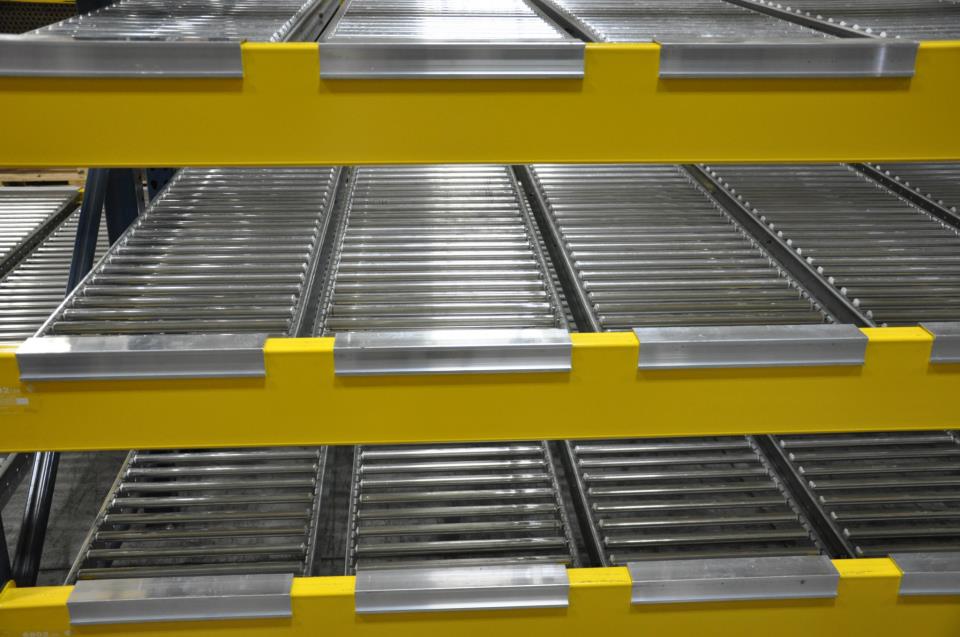
Carton Flow Rack in Wilmington
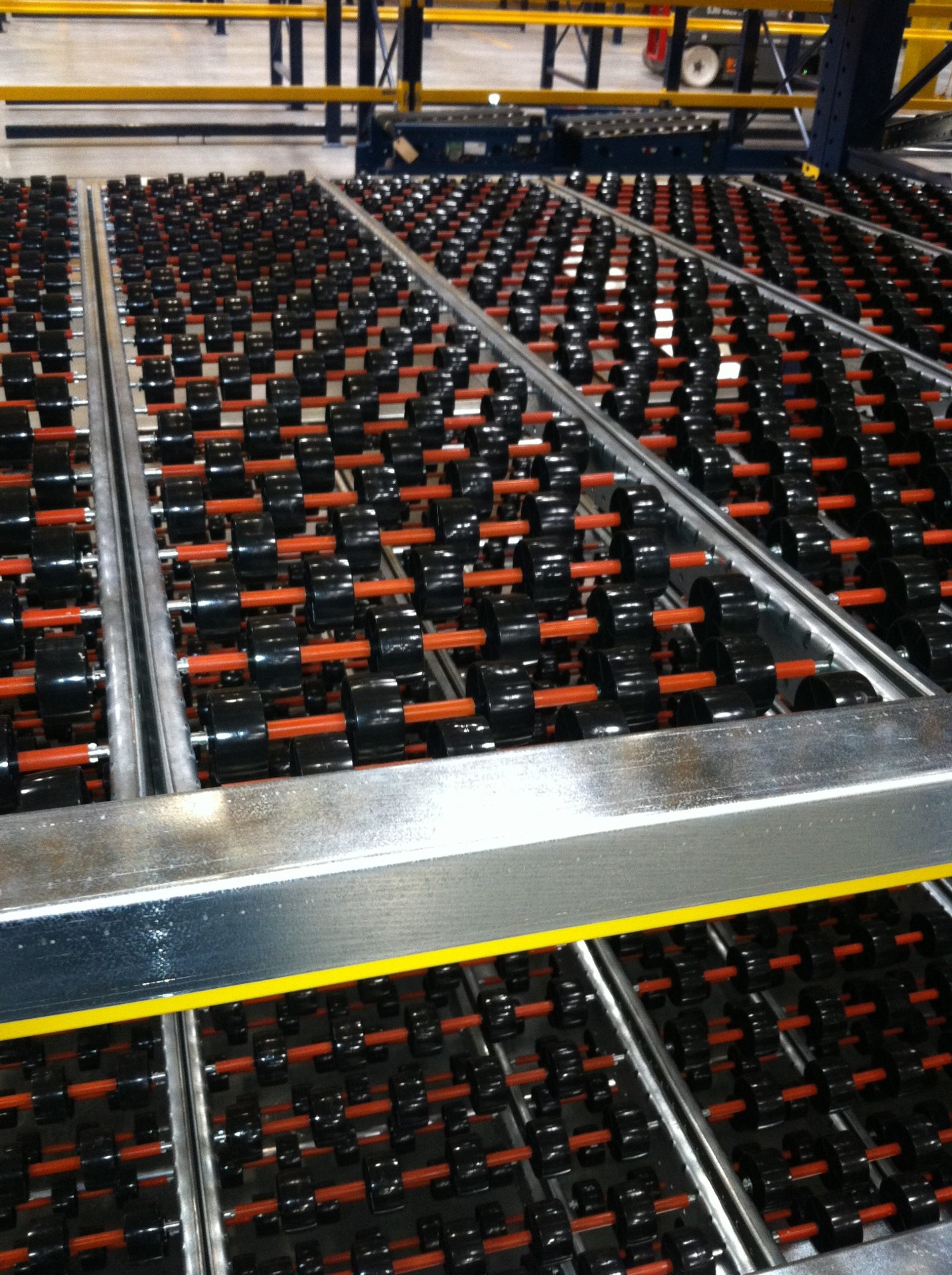
Carton flow rack in Wilmington separates incoming replenishment from front picking so active cases remain accessible as inventory moves through the building. Inclined roller lanes advance cartons or suitable totes toward the operator when the leading container is removed. Rear loading supports FIFO sequencing, provided employees maintain the assigned direction and keep different products in their designated lanes.
For food distribution and other rotation-sensitive operations, the equipment must fit both the package and the working environment. Case bottoms, moisture exposure, loaded weight, and the space needed to remove containers all influence the selection. Lane depth should reflect consumption between replenishment rounds rather than the largest shipment the receiving area might encounter.
Why carton flow rack needs more than FIFO labels
We distinguish physical stock sequence from the wider inventory procedure. Gravity lanes can present the first loaded case first, but staff still need a method for product identification, date checks, and exceptions. Carton flow racking supports that work when lane assignments and rear replenishment access remain clear during both ordinary demand and inbound surges.
As part of a division of Warehouse Equipment & Supplies Co., our team has been supplying and installing since 1997. We evaluate the working containers and surrounding handling routes so the picking arrangement does not become a bottleneck between receiving, reserve storage, and dispatch.
Connecting port arrivals with active case picking
Port of Wilmington freight can feed food and regional distribution operations across New Castle County via I-95 and I-295. The active picking face should not absorb every inbound surge. In older industrial buildings and cold-storage areas, preserving loading access and checking package behavior under actual operating conditions can matter more than maximizing the number of lanes in a row.
How case flow rack keeps the next case accessible
Plan the active stock as a controlled working supply, with reserve inventory replenishing it through a separate path.
Define the handling environment
Record where the equipment will operate and what conditions the containers experience. Identify changes in corrugated packaging or tote surfaces between receiving and picking, then review component suitability for that environment.
Match rollers to real packages
Use representative loaded cases and totes to assess support and movement. Select lane widths and dividers that allow forward travel without side binding. Damaged or distorted packaging needs attention before it enters a lane.
Allocate frontage by demand
Give frequent picks enough front positions to avoid constant replenishment interruptions. Slower products may need shorter lanes or another storage method. Keep the removal area clear so employees can grasp a complete case comfortably.
Test the replenishment routine
Load from the back, pick from the front, and observe movement through the full lane. Confirm that location identification is readable from both sides and that reserve handling does not obstruct employees building outbound orders.
Wilmington carton flow racking scope and storage comparisons
The Wilmington warehouse planning context page covers broader warehouse planning, and Case-flow equipment details explains the hand-picking equipment. Where existing pallet rack bays are being considered, we review their identity, condition, connections, supported loads, and geometry before proposing a roller-lane retrofit.
For reserve stock held as full pallets, Pallet-scale first-in, first-out storage provides a separate FIFO comparison. Where first-in, first-out retrieval is not required for a particular reserve product, Reserve storage with alternate sequencing offers another arrangement to assess. The choice should follow the product's handling requirements rather than a general preference for deeper storage.
In the agreed work area, experienced installation crews we schedule and manage fit the specified equipment according to the selected sequence. The carton flow rack proposal should make supporting structure, rollers, dividers, and presentation details visible so changes in package size or storage conditions can be reviewed deliberately.
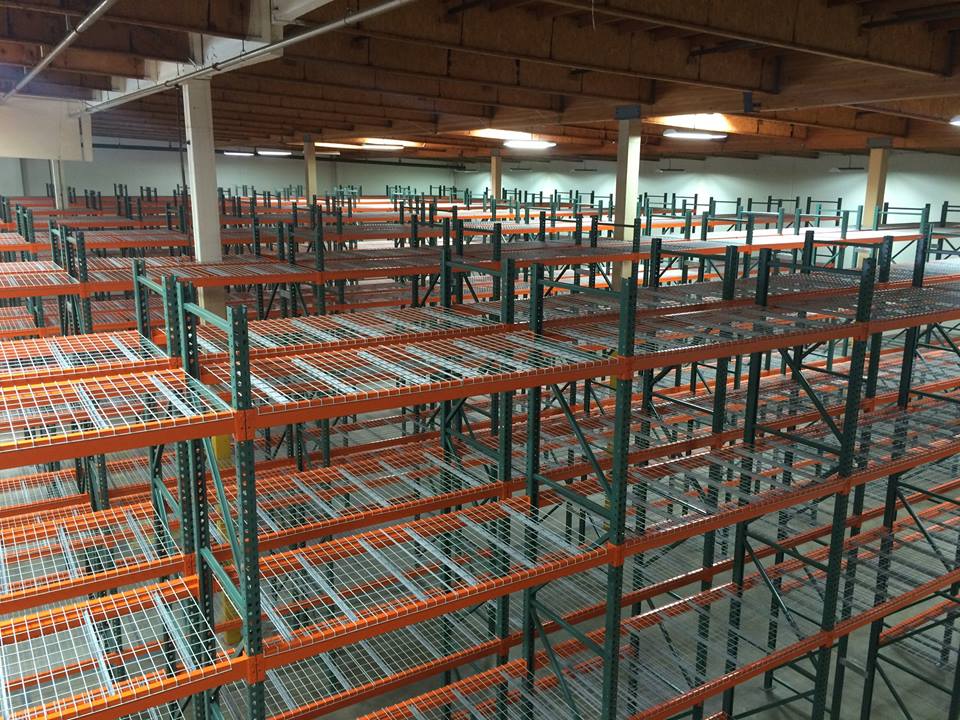
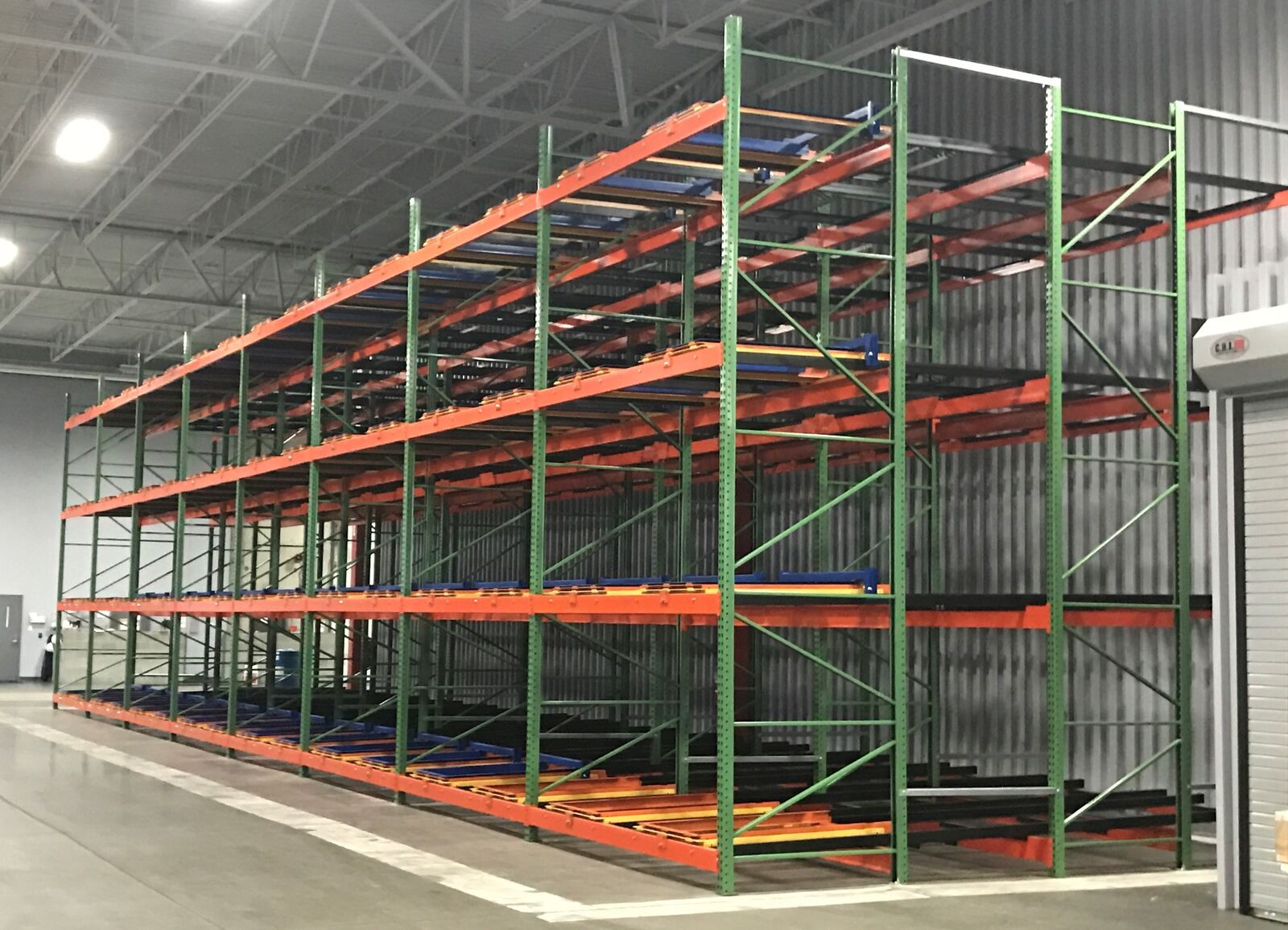
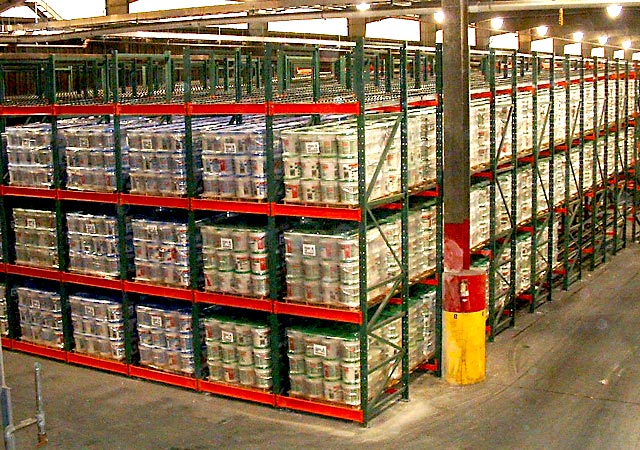
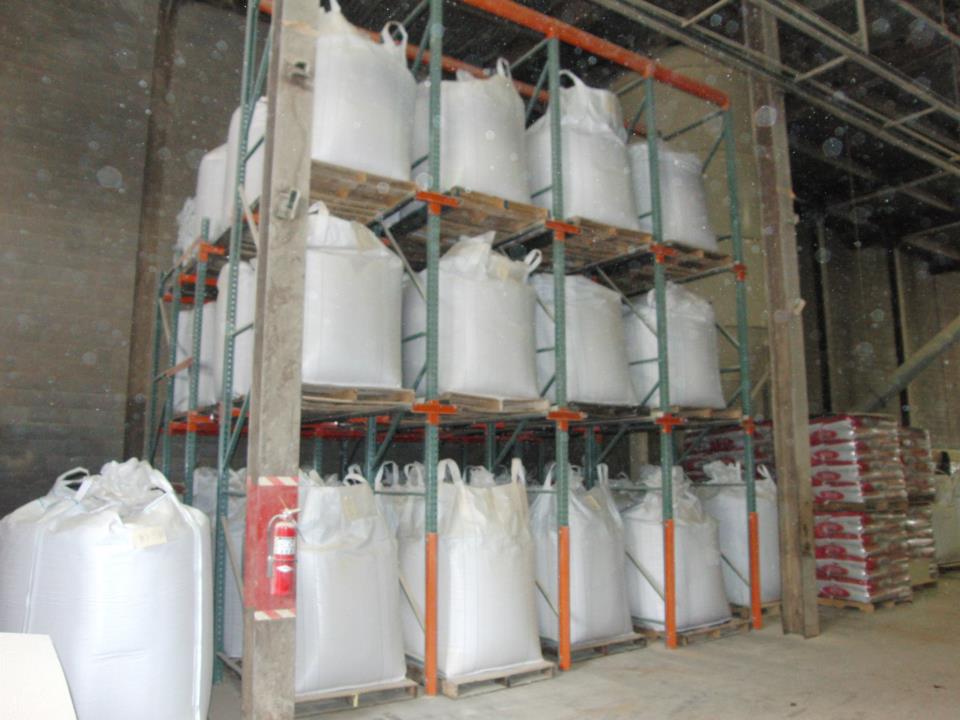
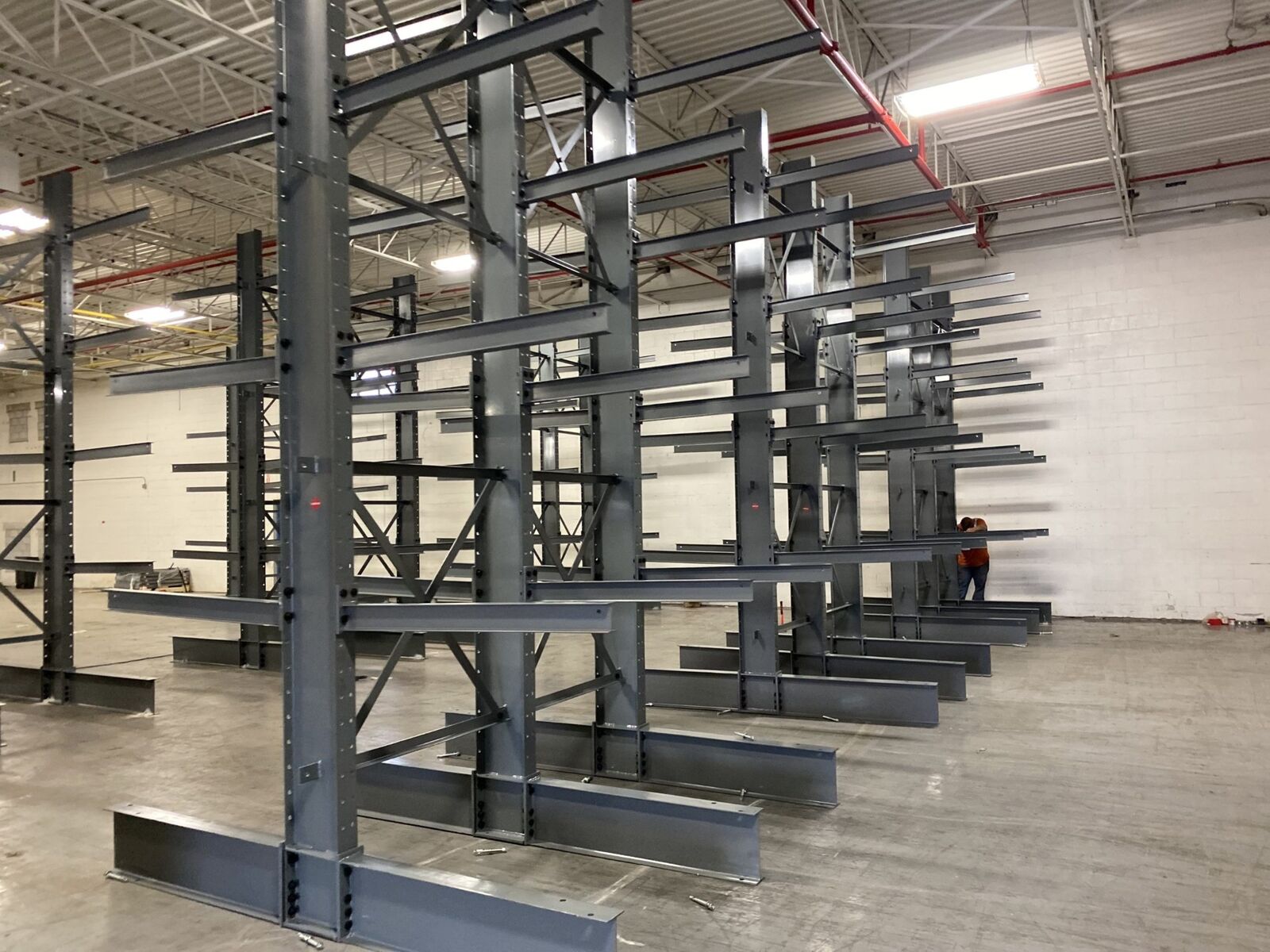
Warehouse Racking Examples
Plan the picking face separately from the inbound surge
Share case specifications, operating conditions, and the route from reserve storage to active lanes.
Philadelphia Pallet Rack
7201 Frankford Ave.
Unit #3151
Philadelphia, PA 19135
(215) 445-1559Monday - Friday: 8:00 AM - 6:00 PM
Rotation and replenishment questions
Other Rack Types We Supply in Wilmington
Pallet Rack
Every pallet reachable, every time. The baseline we size everything else against.
View detailsPushback Rack
Two to six pallets deep from one aisle, without giving up much reach.
View detailsPallet Flow Rack
Load one side, pick the other, and let gravity enforce first in, first out.
View detailsDrive-In Rack
Fewer access aisles. Forklifts enter storage lanes built for bulk pallets of the same item.
View detailsCantilever Rack
Arms with nothing in front of them, built for lumber, pipe, and anything a pallet can't hold.
View detailsWarehouse Relocation
Teardown, label, coordinate transport and reinstall your storage systems around a planned building move.
View detailsNearby Areas We Also Serve
Our Wilmington discussion connects New Castle County receiving patterns with the daily work at the pick face.
Where We Work
Located in Philadelphia, we serve the entire Greater Philadelphia region with industrial pallet racks and warehouse storage solutions.
Philadelphia Pallet Rack
Address
7201 Frankford Ave.
Unit #3151
Philadelphia, PA 19135
Phone
(215) 445-1559Business Hours
Monday - Friday: 8:00 AM - 6:00 PM
Saturday: Closed
Sunday: Closed
Need Carton Flow Rack in Wilmington?
Call (215) 445-1559 to review case movement before committing to a lane arrangement.