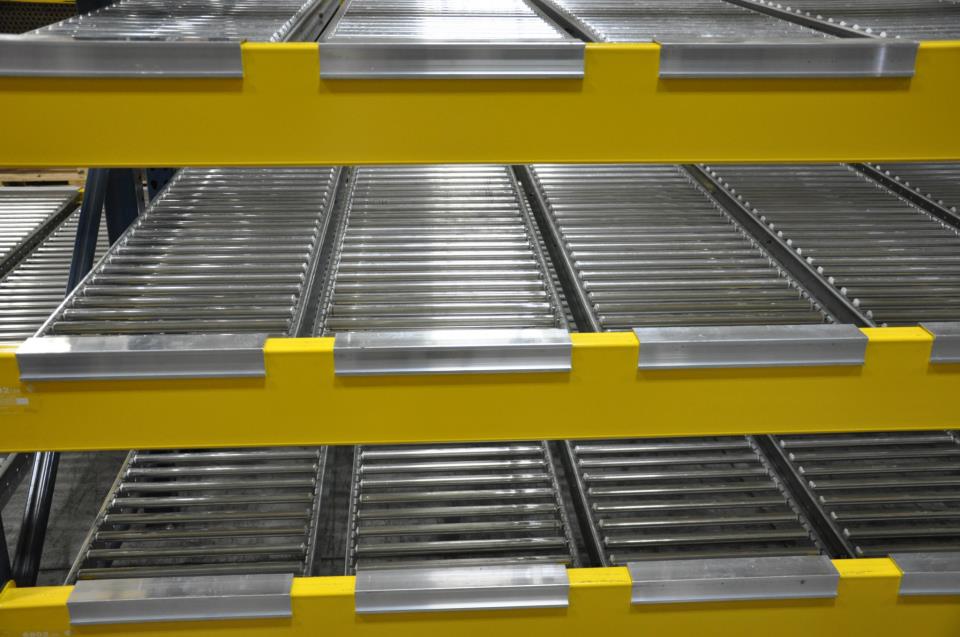
Carton Flow Rack in Chester
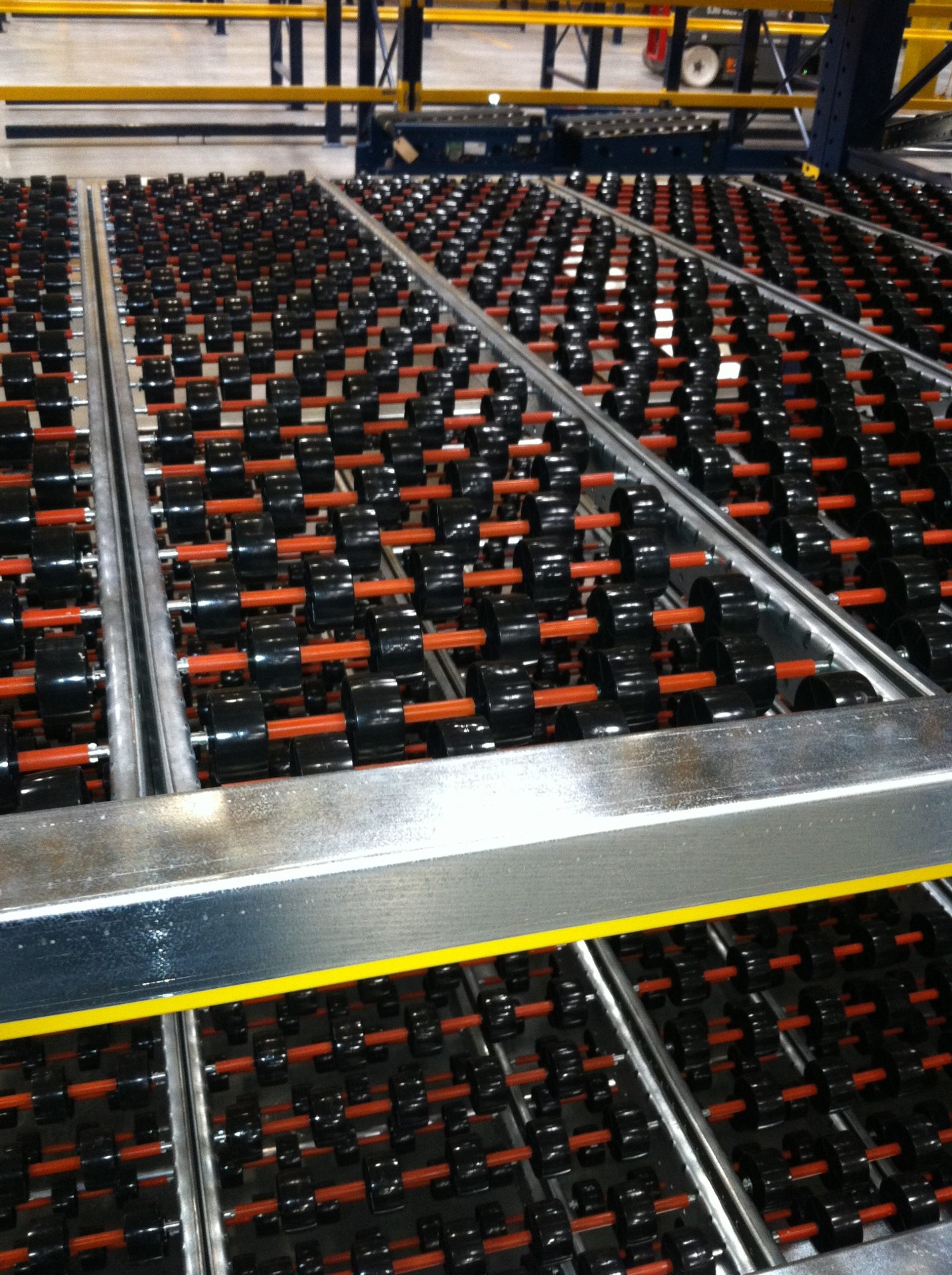
Carton flow rack in Chester gives small parts and boxed components a defined route from rear replenishment to front selection. Inclined roller lanes advance cases or totes as workers remove the leading container. That can shorten the search for repeat-order items while keeping replenishment activity behind the active picking face.
Manufacturing buildings often combine heavy pallet handling with much smaller hand-picked stock. Those tasks need different storage decisions. A carton lane should be sized for its individual packages, not treated as a miniature pallet lane, and its position should keep selectors from becoming an obstacle to production supply or outbound staging.
Case Flow Rack Scope for Industrial Picking Areas
Provide component case measurements, container weights, and a sketch of production supply routes. We compare those requirements with the wider warehouse arrangement through Chester industrial storage support, including where replenishment stock waits before entering the hand-picking zone.
The roller-lane picking configurations overview provides a starting point for equipment selection. Your proposal should then identify roller support, lane divisions, picking elevations, and access behind the system. Better picking speed comes from reducing unnecessary searching and reaching, not simply adding more lanes.
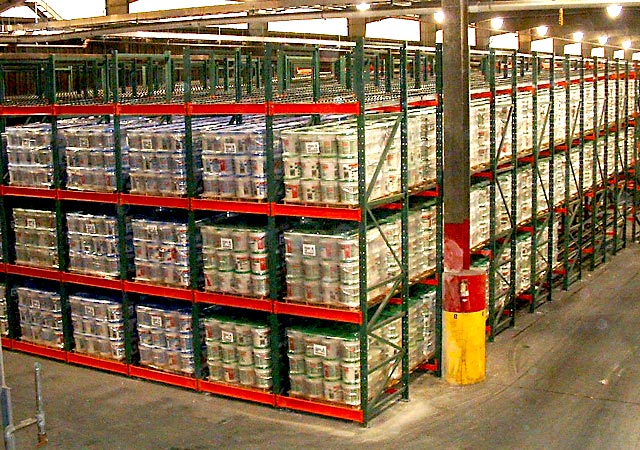
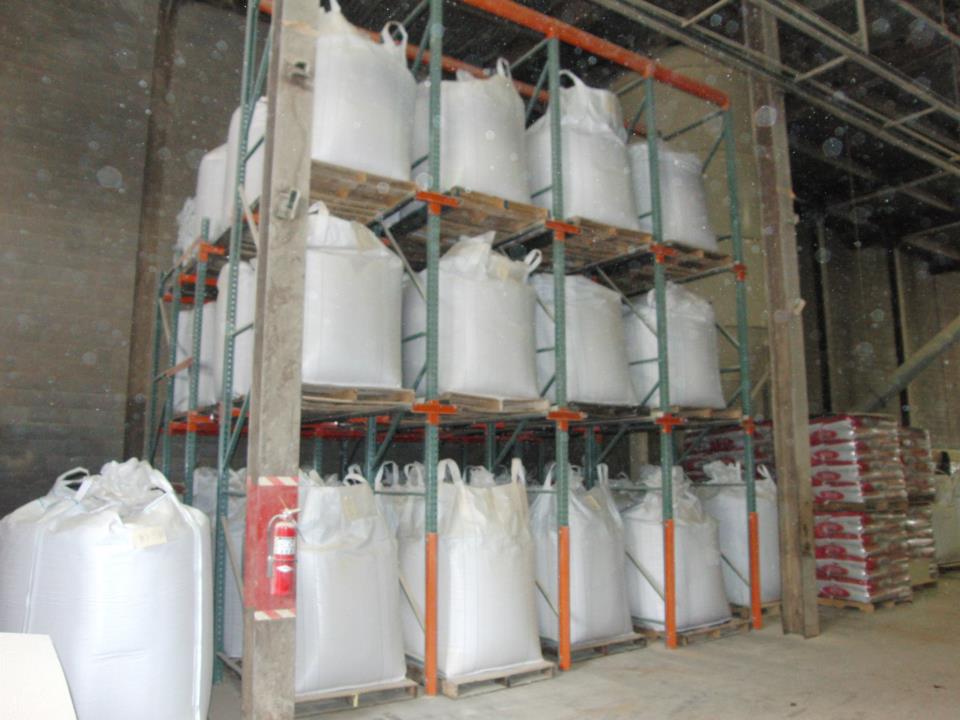
For palletized material, consider Chester FIFO pallet options where stock rotation guides retrieval. Review Chester pallet reserve alternatives separately for reserve inventory suited to last-in, first-out handling. Keeping pallet and carton decisions distinct helps prevent heavy-load traffic from dictating the hand-picking layout.
How Carton Flow Racking Organizes Component Supply
Case flow rack depends on controlled package movement and consistent loading habits. Plan the container, the lane, and the surrounding work as one arrangement.
Inspect the loaded component carton
A dense box of metal parts behaves differently from a light packaging case. Review loaded weight, base stiffness, and contact points so rollers support the container throughout its travel, including when the lane is nearly empty.
Allocate frontage by picking frequency
Lane widths should suit the actual case, with dividers distinguishing neighboring items. Repeatedly selected components may justify more than one lane, while occasional-use material may remain better suited to conventional shelving.
Maintain the loading sequence
Rear replenishment places newer stock behind cases already waiting at the front. That supports FIFO when stock stays within its assigned lane. Workers should have a separate procedure for returned or partly used containers.
Fit picking into the existing structure
A pallet rack bay retrofit can combine lower picking lanes with an approved supporting arrangement. Confirm dimensions, capacities, and component compatibility, then check whether the surrounding pick module leaves practical routes for both people and materials.
Why Carton Flow Rack Suits Repeat Parts Orders
We ask which components are picked repeatedly, how many cartons are consumed between replenishments, and whether workers select complete cases or individual pieces. Those answers determine useful lane frontage and depth. Equal space for every item can leave slow stock occupying the most convenient picking positions.
The company operates as a division of Warehouse Equipment & Supplies Co., supplying and installing since 1997. Our case flow rack planning distinguishes hand selection from heavy-load storage, then connects the two through a replenishment route that makes sense for the building.
Separating Riverfront Loads From Hand Selection
Chester's older riverfront industrial buildings can place production, reserve inventory, and shipping close together. Freight moving through I-95 and US-322 should have a defined staging path before smaller cases enter the picking area. That separation is particularly useful when manufacturing components share a building with heavier palletized materials.
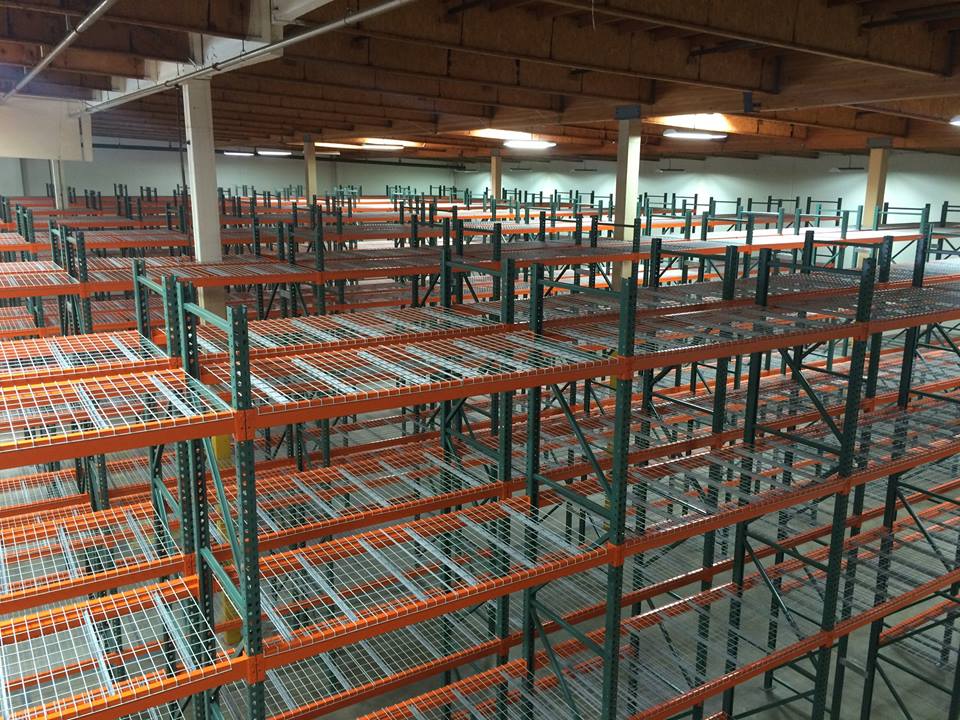
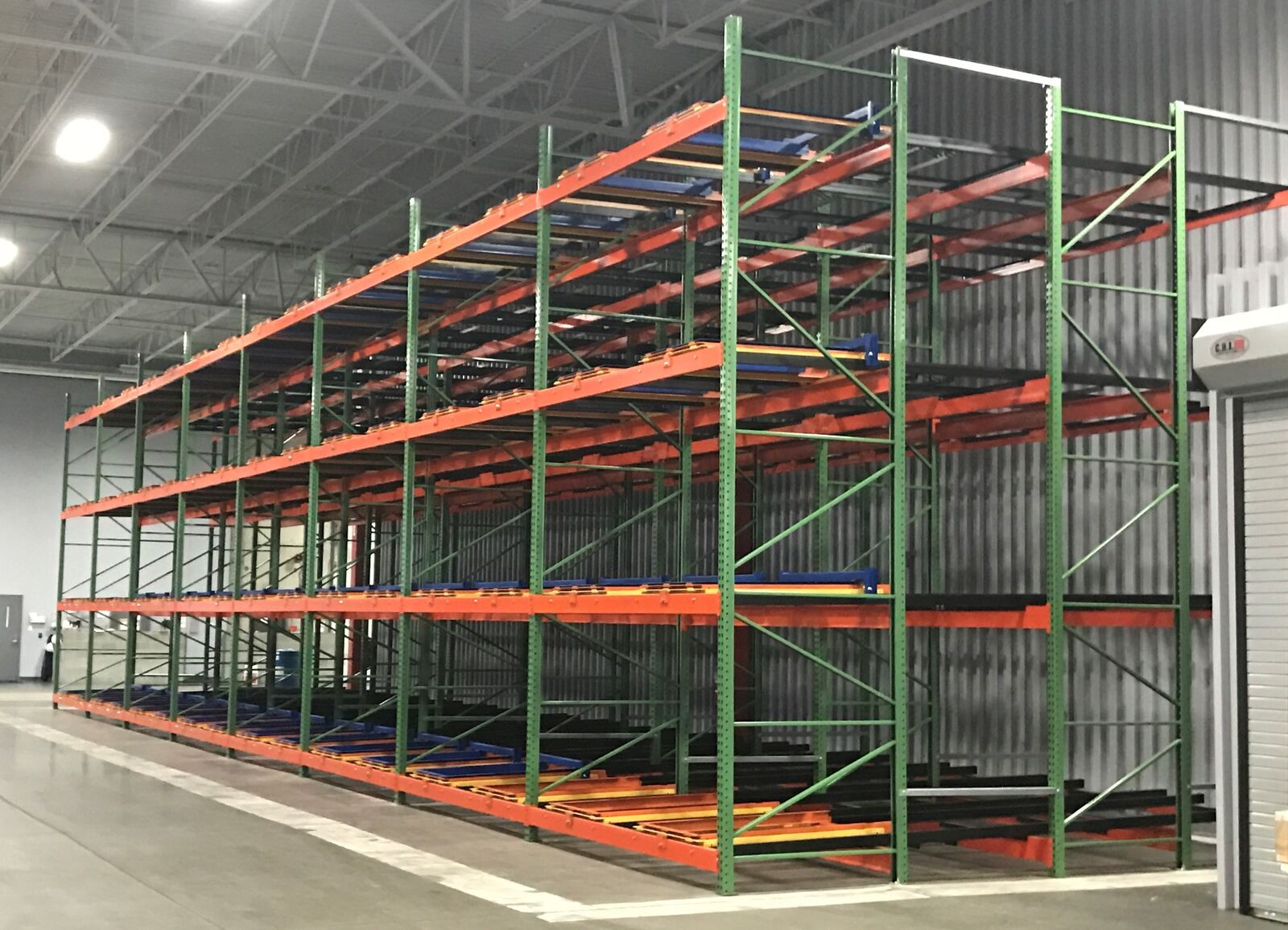
Warehouse Racking Examples
Identify the Components Picked Most Often
A short list of repeat items is more useful than a total inventory count alone. Include case weights and the number of replenishment visits those items require.
Philadelphia Pallet Rack
7201 Frankford Ave.
Unit #3151
Philadelphia, PA 19135
(215) 445-1559Monday - Friday: 8:00 AM - 6:00 PM
Chester Component-Handling Questions
Other Rack Types We Supply in Chester
Pallet Rack
Every pallet reachable, every time. The baseline we size everything else against.
View detailsPushback Rack
Two to six pallets deep from one aisle, without giving up much reach.
View detailsPallet Flow Rack
Load one side, pick the other, and let gravity enforce first in, first out.
View detailsDrive-In Rack
Fewer access aisles. Forklifts enter storage lanes built for bulk pallets of the same item.
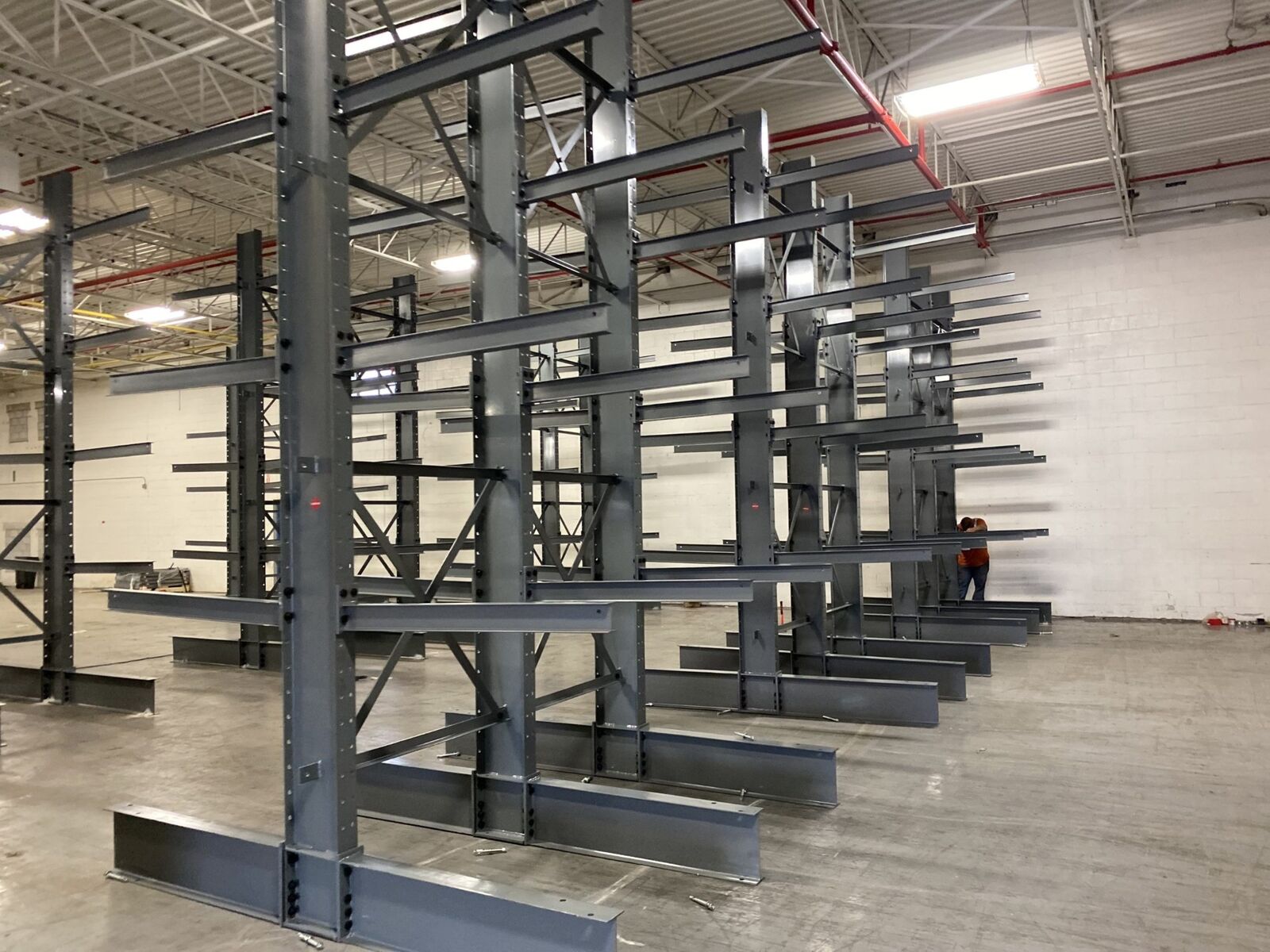
View detailsCantilever Rack
Arms with nothing in front of them, built for lumber, pipe, and anything a pallet can't hold.
View detailsWarehouse Relocation
Teardown, label, coordinate transport and reinstall your storage systems around a planned building move.
View detailsNearby Areas We Also Serve
Our planning conversations cover Chester and the lower Delaware County riverfront, with attention to older industrial footprints and mixed handling tasks.
Where We Work
Located in Philadelphia, we serve the entire Greater Philadelphia region with industrial pallet racks and warehouse storage solutions.
Philadelphia Pallet Rack
Address
7201 Frankford Ave.
Unit #3151
Philadelphia, PA 19135
Phone
(215) 445-1559Business Hours
Monday - Friday: 8:00 AM - 6:00 PM
Saturday: Closed
Sunday: Closed
Need Carton Flow Rack in Chester?
Reach us at (215) 445-1559 to review the boundary between your production stock, reserve pallets, and active selection lanes.