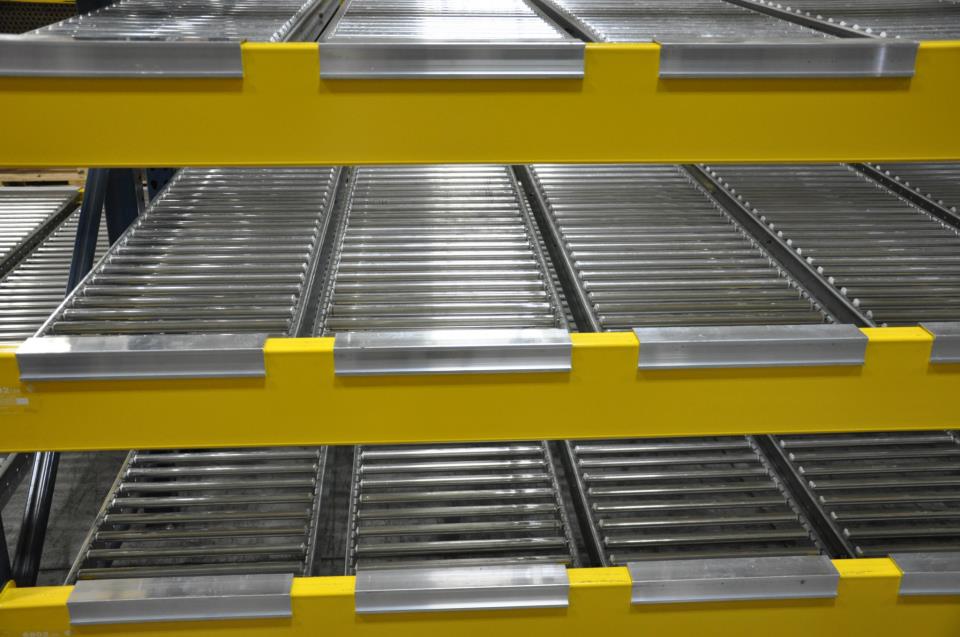
Carton Flow Rack in Trenton
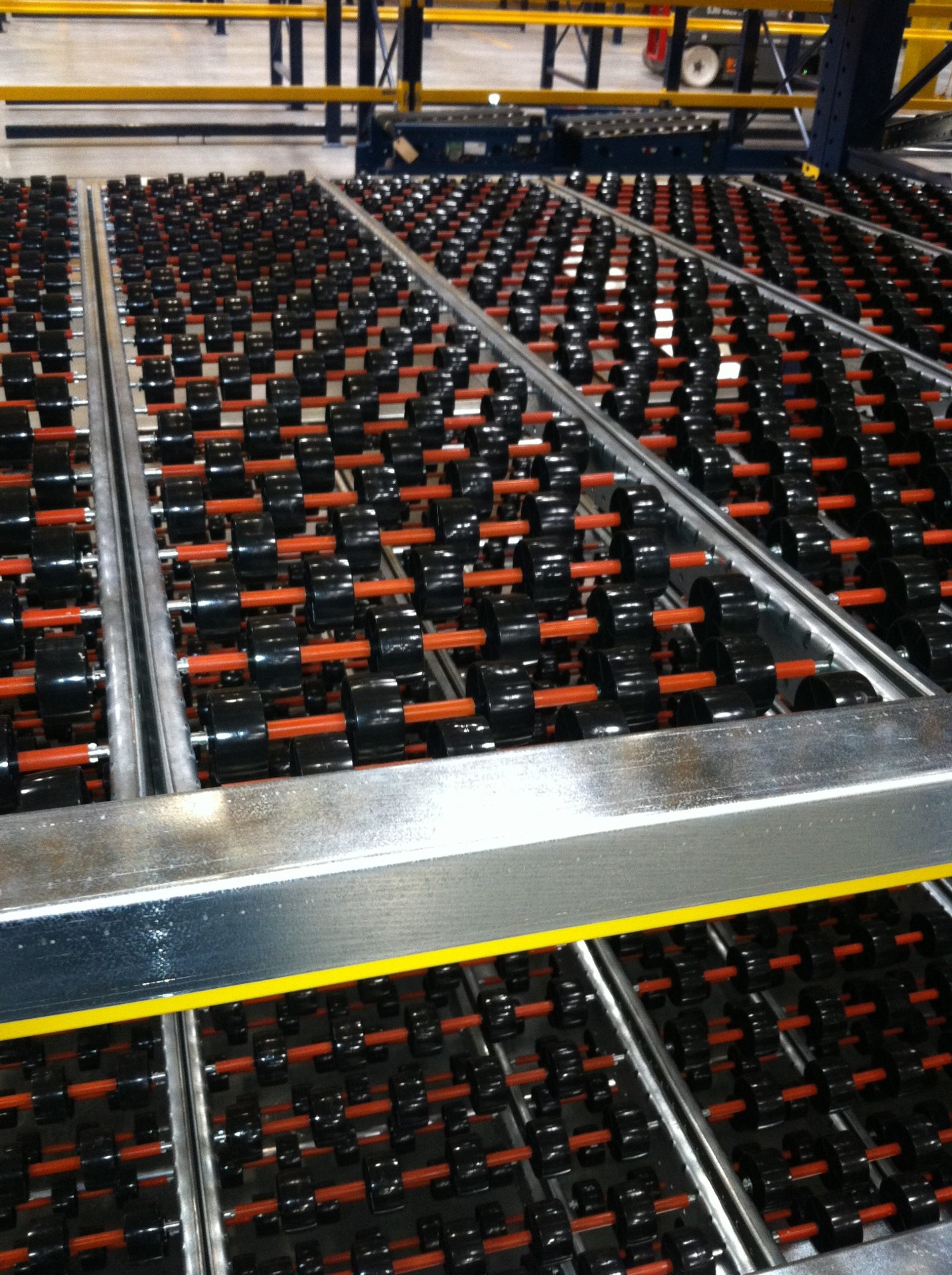
Carton flow rack in Trenton gives production and distribution teams a shared method for presenting frequently used cases without sharing the same working aisle. Replenishment enters from the rear, while employees take containers or individual contents from the front. Inclined roller lanes advance the remaining cartons or compatible totes toward the picking position.
The distinction matters when a storeroom serves both assembly schedules and outbound orders. A lane holding line-side components may need modest depth and frequent replenishment, while a shipping SKU may need several lanes to absorb concentrated demand. Buying the same configuration for both can create excess stock in one location and repeated shortages in another.
Defining a Trenton carton flow racking project
The broader Trenton industrial storage guidance discussion helps place the picking area within the building, while Case and tote lane equipment describes the lane equipment. We assess existing pallet rack bays for component compatibility, condition, load support, and usable depth before proposing a retrofit.
A mixed production warehouse may also need Pallet rotation for production reserve for palletized materials with FIFO rotation. Compare that separately with Depth storage with a different retrieval sequence for reserve stock whose retrieval sequence can differ. Neither pallet system supplies the same hand-level access as a divided case-picking face.
After the lane arrangement is agreed, experienced installation crews we schedule and manage carry out the equipment work in the selected area. The carton flow rack scope can separate supporting rack, roller tracks, lane dividers, and presentation features so buyers can see what changes when package dimensions or active quantities change.
How carton flow rack supports repeat production picks
Start with the consumption pattern, then work backward to the container and its reserve supply.
Measure consumption by work area
Identify which parts feed each process and how demand changes between work periods. Allocate active case quantities to cover a practical replenishment interval without turning the pick face into long-term reserve storage.
Check cases and reusable totes
Record exterior dimensions, loaded weight, and base construction. Reusable totes need compatible running surfaces, while corrugated cartons need enough roller support to travel without snagging or excessive deformation.
Assign guided picking lanes
Select widths and dividers that suit each package family. Keep similar-looking components visibly separated and position frequent picks where employees can reach them without repeatedly bending or stretching across neighboring stock.
Confirm FIFO discipline
Use rear loading and front picking consistently, with identification visible at both ends. Removing the oldest front container allows the next one to advance; loading new stock at the front defeats that sequence.
Why case flow rack needs a replenishment strategy
We examine who fills the lanes, when that work happens, and how stock reaches the rear. Picking speed improves only when the next container is available without forcing the picker to leave the station. Carton flow racking works best when active capacity and replenishment rounds are planned together rather than purchased as unrelated decisions.
Operating as a division of Warehouse Equipment & Supplies Co., we have been supplying and installing since 1997. Our recommendations distinguish production staging from finished-goods picking, so each area receives appropriate lane assignments, package support, and replenishment access.
Fitting production supply into Trenton's industrial buildings
Trenton manufacturers using the US-1 and I-295 corridors may need component picking beside outbound distribution. Older industrial rooms can have tight columns and limited space between departments. Splitting the active face into smaller modules can keep assembly supplies close to use while leaving receiving traffic a separate route through the building.
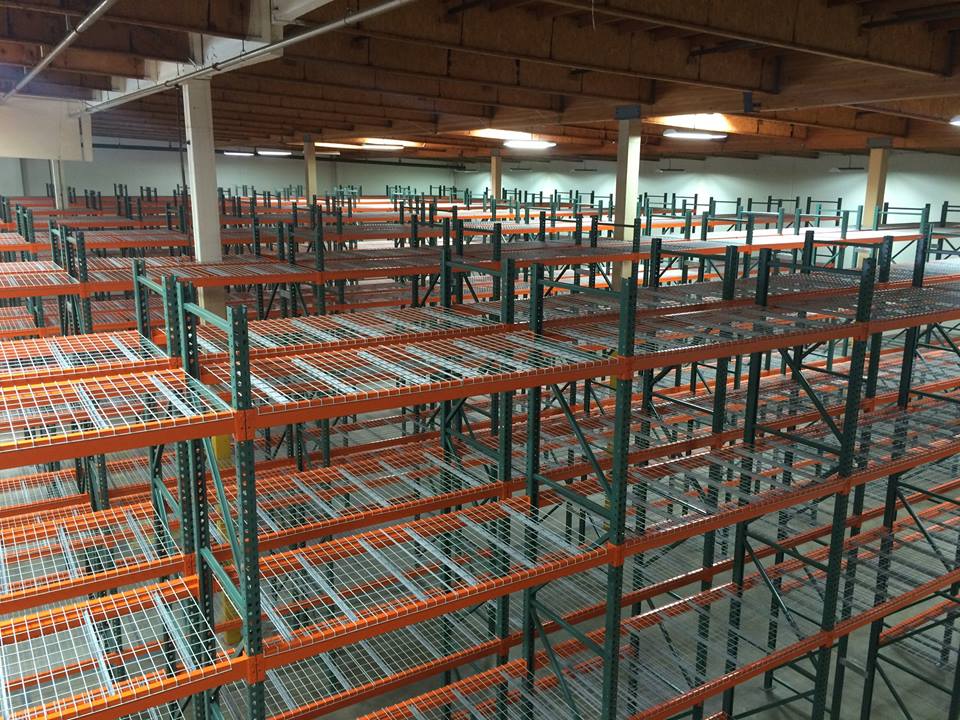
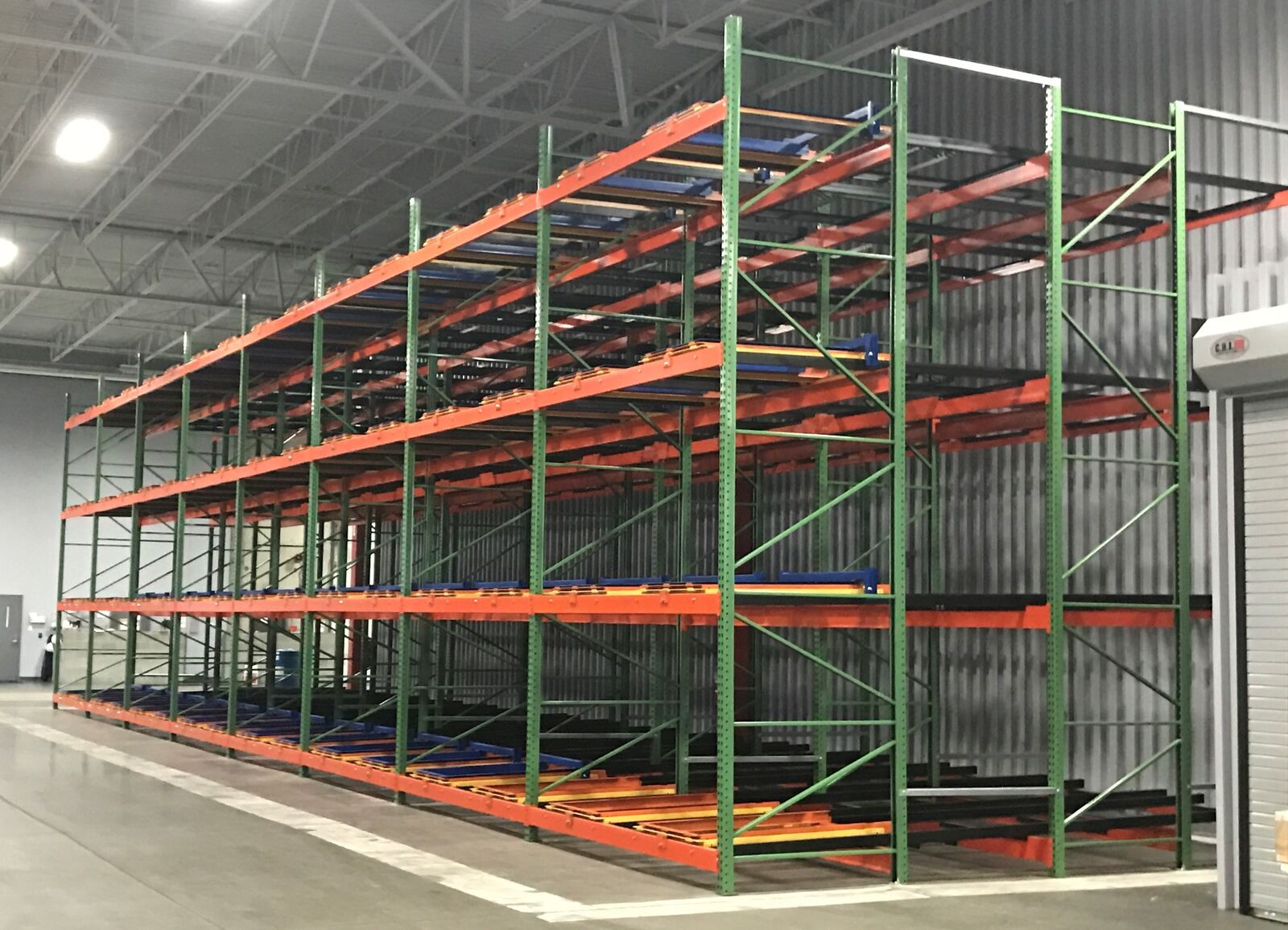
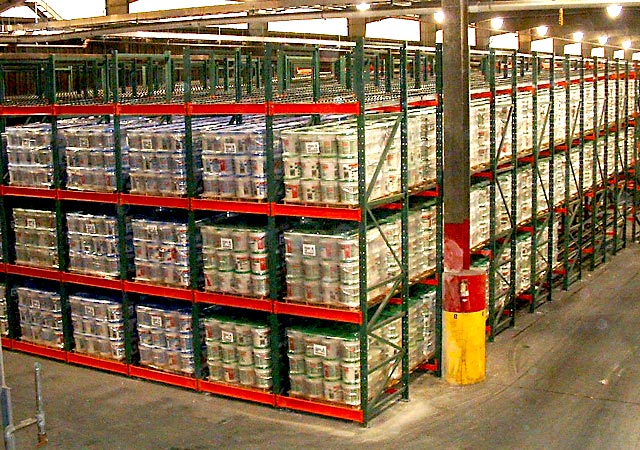
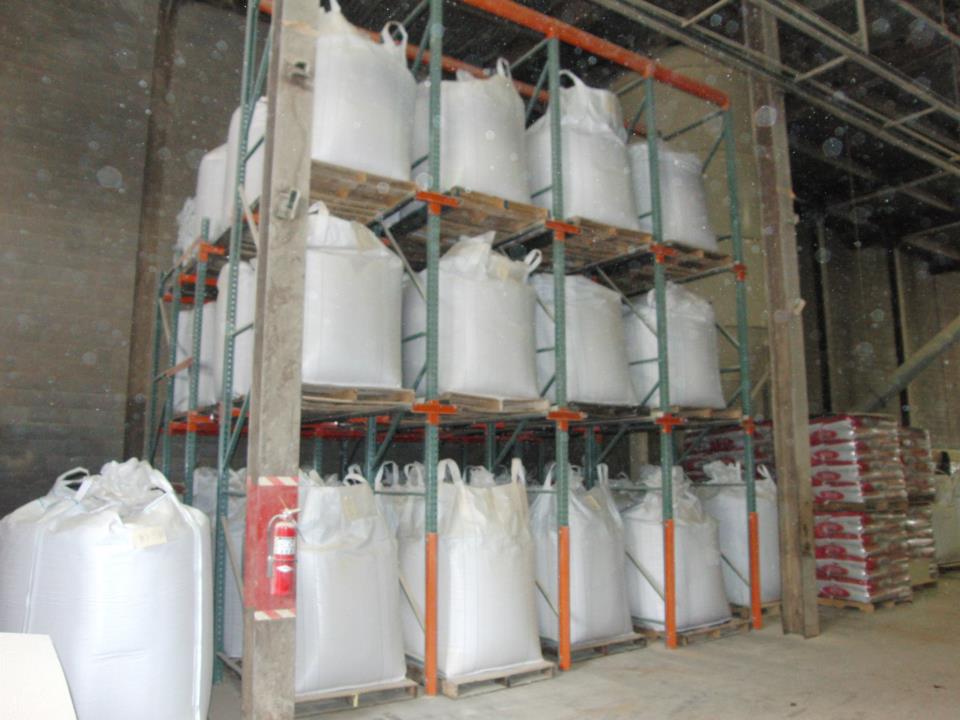
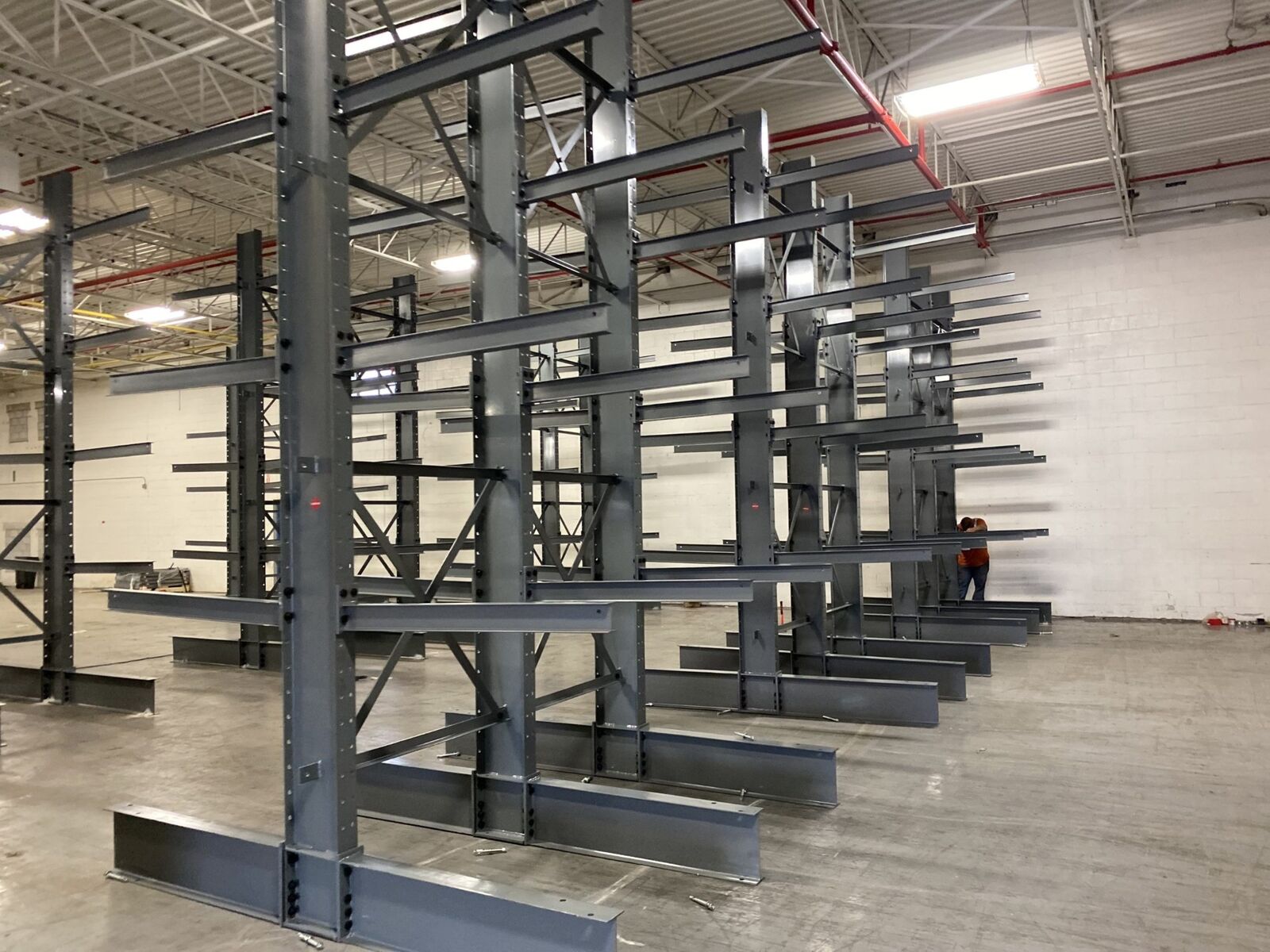
Warehouse Racking Examples
Translate the production schedule into pick positions
Provide container samples, consumption patterns, and a drawing of the proposed supply area.
Philadelphia Pallet Rack
7201 Frankford Ave.
Unit #3151
Philadelphia, PA 19135
(215) 445-1559Monday - Friday: 8:00 AM - 6:00 PM
Operational questions for production-side storage
Other Rack Types We Supply in Trenton
Pallet Rack
Every pallet reachable, every time. The baseline we size everything else against.
View detailsPushback Rack
Two to six pallets deep from one aisle, without giving up much reach.
View detailsPallet Flow Rack
Load one side, pick the other, and let gravity enforce first in, first out.
View detailsDrive-In Rack
Fewer access aisles. Forklifts enter storage lanes built for bulk pallets of the same item.
View detailsCantilever Rack
Arms with nothing in front of them, built for lumber, pipe, and anything a pallet can't hold.
View detailsWarehouse Relocation
Teardown, label, coordinate transport and reinstall your storage systems around a planned building move.
View detailsNearby Areas We Also Serve
Trenton-area planning includes the connection between shop-floor supply and corridor-based receiving.
Where We Work
Located in Philadelphia, we serve the entire Greater Philadelphia region with industrial pallet racks and warehouse storage solutions.
Philadelphia Pallet Rack
Address
7201 Frankford Ave.
Unit #3151
Philadelphia, PA 19135
Phone
(215) 445-1559Business Hours
Monday - Friday: 8:00 AM - 6:00 PM
Saturday: Closed
Sunday: Closed
Need Carton Flow Rack in Trenton?
Call (215) 445-1559 to compare active lane capacity with your replenishment routine.