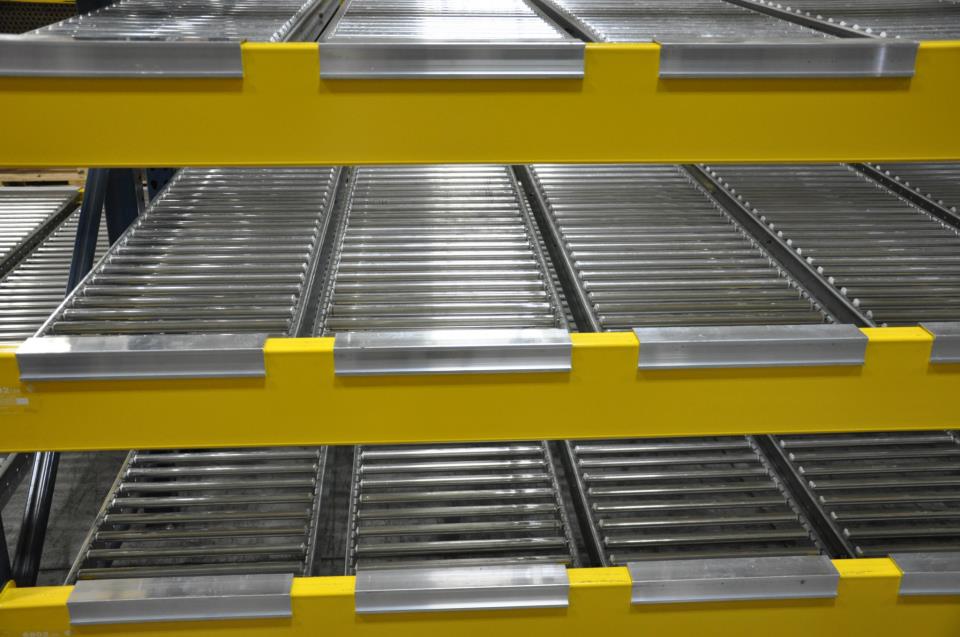
Carton Flow Rack in Norristown
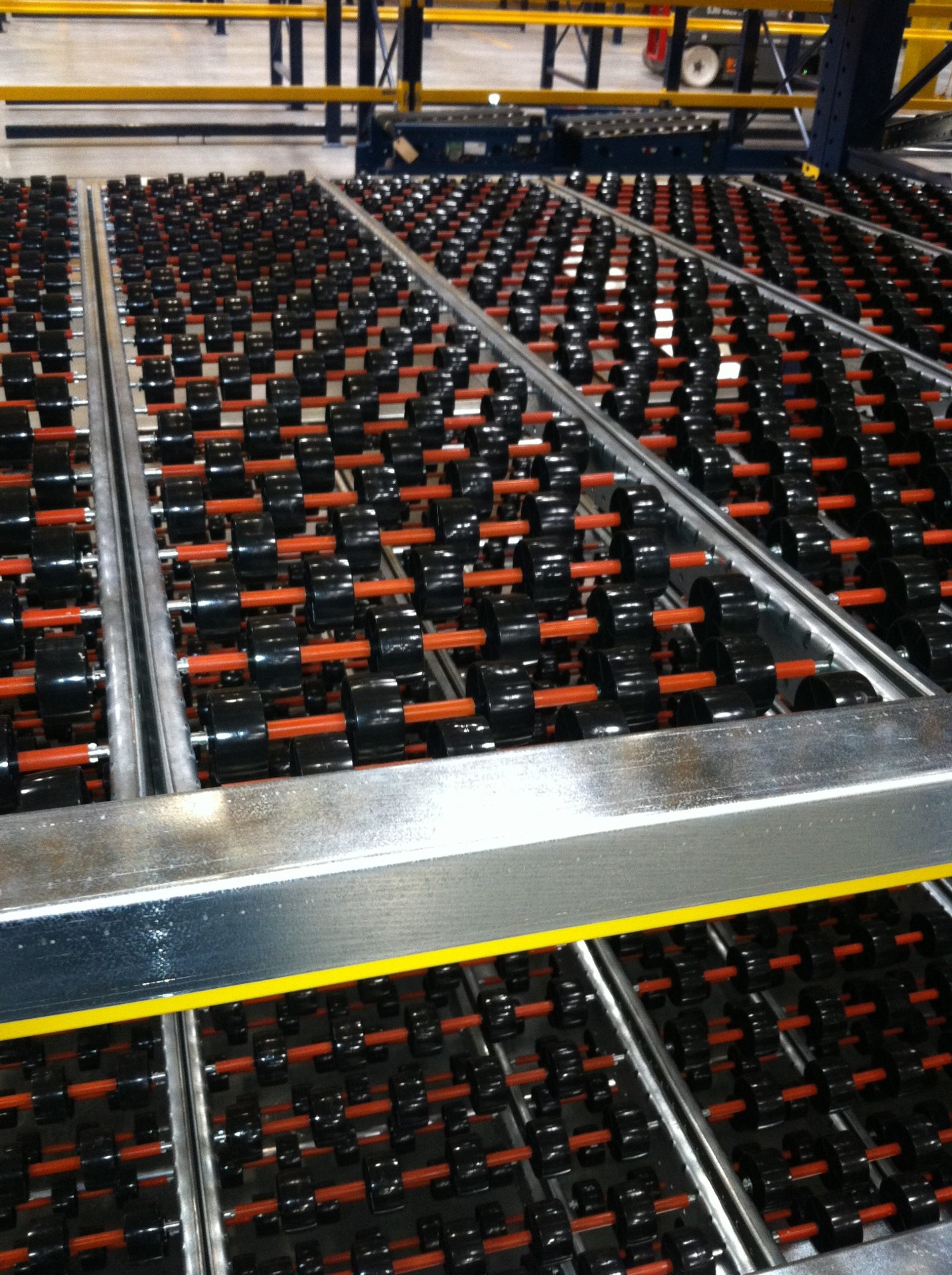
Carton flow rack in Norristown puts replenishment behind the picking face, so employees can collect cases without reaching through reserve stock. Inclined roller lanes carry cartons or compatible totes toward the front as the leading container is removed. For a manufacturing storeroom or pharmaceutical supply operation, that separation can make routine picking less dependent on walking between scattered shelves.
The buying decision starts with the containers, not the number of rack bays. Case width, bottom condition, loaded weight, and demand determine lane spacing and depth. A narrow carton needs guidance without rubbing against dividers; a heavier tote needs suitable roller support and controlled movement. Those details matter more than simply fitting another row into the room.
How case flow rack separates picking from replenishment
A useful layout follows the package through four decisions, from its first contact with the rollers to its final hand pick.
Document the working container
Measure filled cartons and totes, including bulging sides and uneven bases. Record weight ranges and whether employees pick individual pieces or remove complete cases. Representative samples reveal movement problems that exterior dimensions alone can miss.
Set lane widths and guidance
Choose roller coverage, dividers, and lane widths for the assigned packages. Leave working clearance without allowing containers to wander sideways. Assign each SKU a visible location so replenishment does not mix similar packaging.
Choose depth and presentation
Match lane depth to consumption between replenishment rounds. Place frequent picks within a comfortable reach range, then check that employees can remove a case without striking the level above or disturbing its neighboring lane.
Verify movement and access
Load from the rear and observe advancement after each front pick. FIFO depends on keeping that direction consistent and preventing front loading. Check both full and nearly empty lanes before accepting the arrangement.
Why carton flow racking deserves a container-first review
We compare the smallest and largest packages assigned to each proposed lane before recommending a configuration. That helps identify products better kept on shelving, cartons that need a different roller arrangement, and high-demand items worth giving multiple pick faces. Carton flow rack should shorten the picking task without creating repeated adjustments for replenishment staff.
As a division of Warehouse Equipment & Supplies Co., we have been supplying and installing since 1997. Our planning discussion connects storage choices to the actual work: where employees open cartons, where empty packaging goes, and how replenishment reaches the rear without crossing the busiest picking route.
Working around Montgomery County's mixed industrial spaces
Near Norristown's US 202 and Ridge Pike corridors, smaller manufacturing and parts supply buildings may combine receiving, assembly, and dispatch in limited space. Connections to I-76 and I-476 make replenishment access worth preserving rather than consuming with deeper storage. In buildings with layouts unsuited to their current inventory, position pick faces to keep component supply separate from outbound order staging.
Planning carton flow rack around existing bays
Our Norristown storage planning provides the wider local storage context, while Case-picking equipment overview explains the case-picking system itself. For a proposed retrofit, we review frame identification, beam connections, condition, available depth, and supported loads before deciding whether existing pallet rack bays can accept the flow components.
Where reserve inventory remains palletized, Pallet-level rotation options offers a separate comparison for pallet-level FIFO movement. Where reserve rotation can follow a different sequence, Reserve storage alternatives may be worth reviewing. Neither replaces a hand-picking lane simply because it also stores products in depth.
For the approved arrangement, experienced installation crews we schedule and manage fit the specified components around an agreed work sequence. The carton flow racking proposal should distinguish lane hardware, supporting structure, dividers, and any changes needed to preserve rear replenishment access.
Warehouse Racking Examples
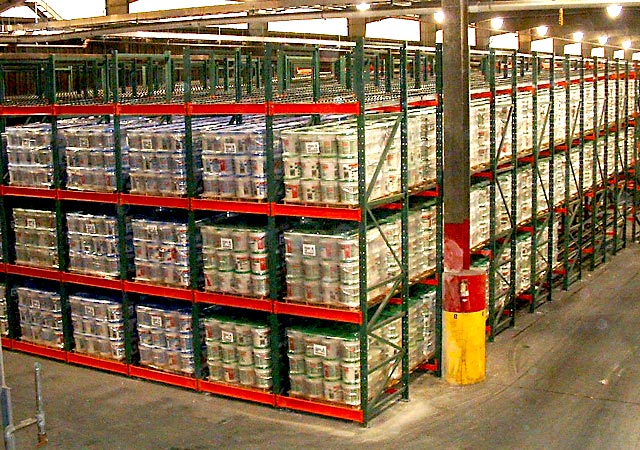
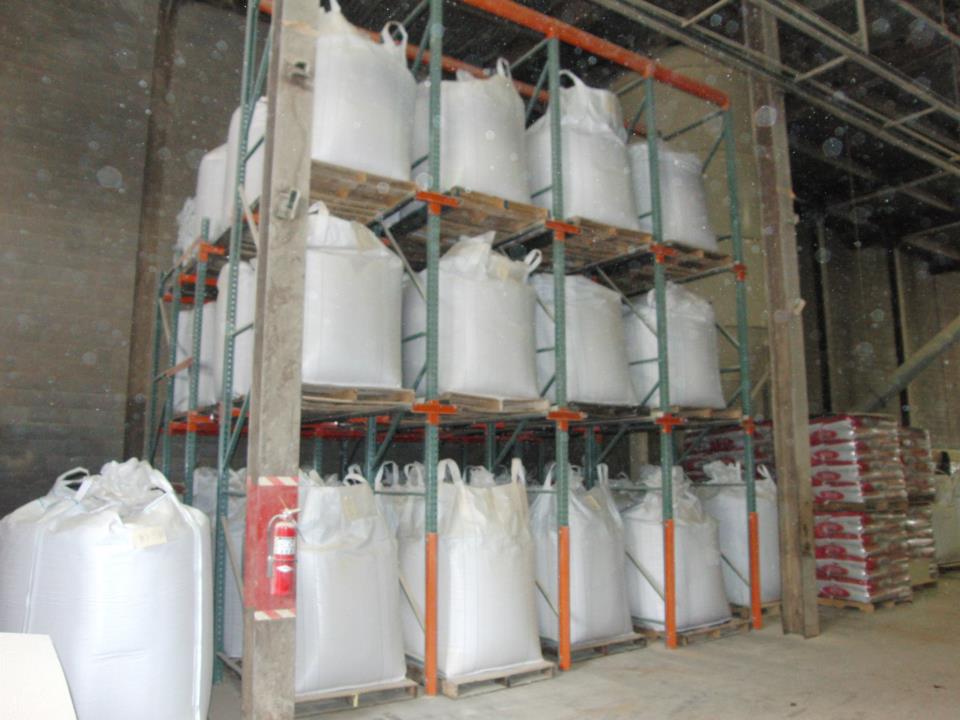
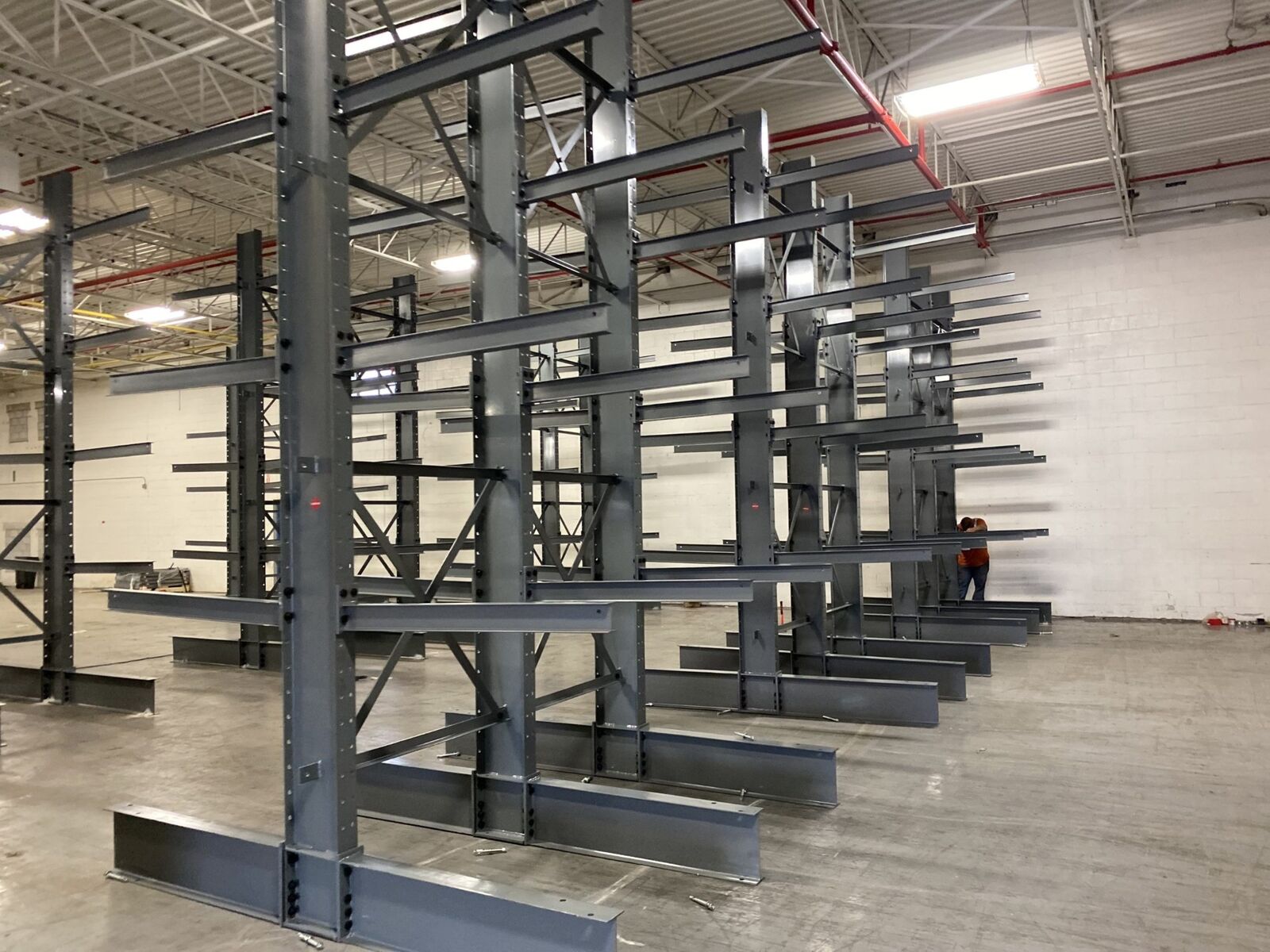
Bring the packages into the layout conversation
Share case dimensions, tote bases, daily demand patterns, and photographs of the available bays.
Philadelphia Pallet Rack
7201 Frankford Ave.
Unit #3151
Philadelphia, PA 19135
(215) 445-1559Monday - Friday: 8:00 AM - 6:00 PM
Questions from local picking teams
Other Rack Types We Supply in Norristown
Pallet Rack
Every pallet reachable, every time. The baseline we size everything else against.
View detailsPushback Rack
Two to six pallets deep from one aisle, without giving up much reach.
View detailsPallet Flow Rack
Load one side, pick the other, and let gravity enforce first in, first out.
View detailsDrive-In Rack
Fewer access aisles. Forklifts enter storage lanes built for bulk pallets of the same item.
View detailsCantilever Rack
Arms with nothing in front of them, built for lumber, pipe, and anything a pallet can't hold.
View detailsWarehouse Relocation
Teardown, label, coordinate transport and reinstall your storage systems around a planned building move.
View detailsNearby Areas We Also Serve
We consider Norristown picking areas alongside their receiving routes through Montgomery County.
Where We Work
Located in Philadelphia, we serve the entire Greater Philadelphia region with industrial pallet racks and warehouse storage solutions.
Philadelphia Pallet Rack
Address
7201 Frankford Ave.
Unit #3151
Philadelphia, PA 19135
Phone
(215) 445-1559Business Hours
Monday - Friday: 8:00 AM - 6:00 PM
Saturday: Closed
Sunday: Closed
Need Carton Flow Rack in Norristown?
Call (215) 445-1559 to discuss a pick face built around your actual containers.