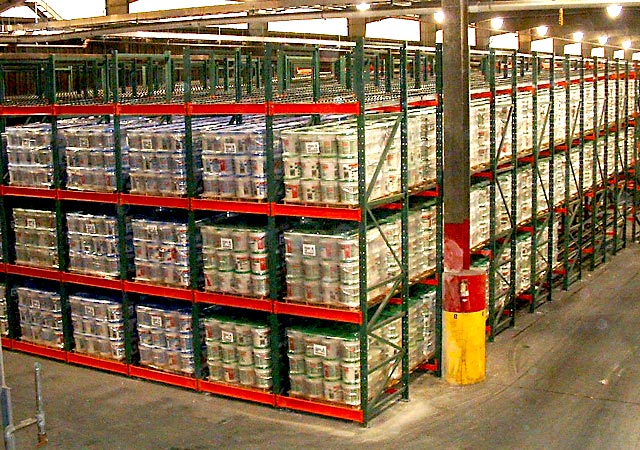
Pallet Flow Rack in Wilmington
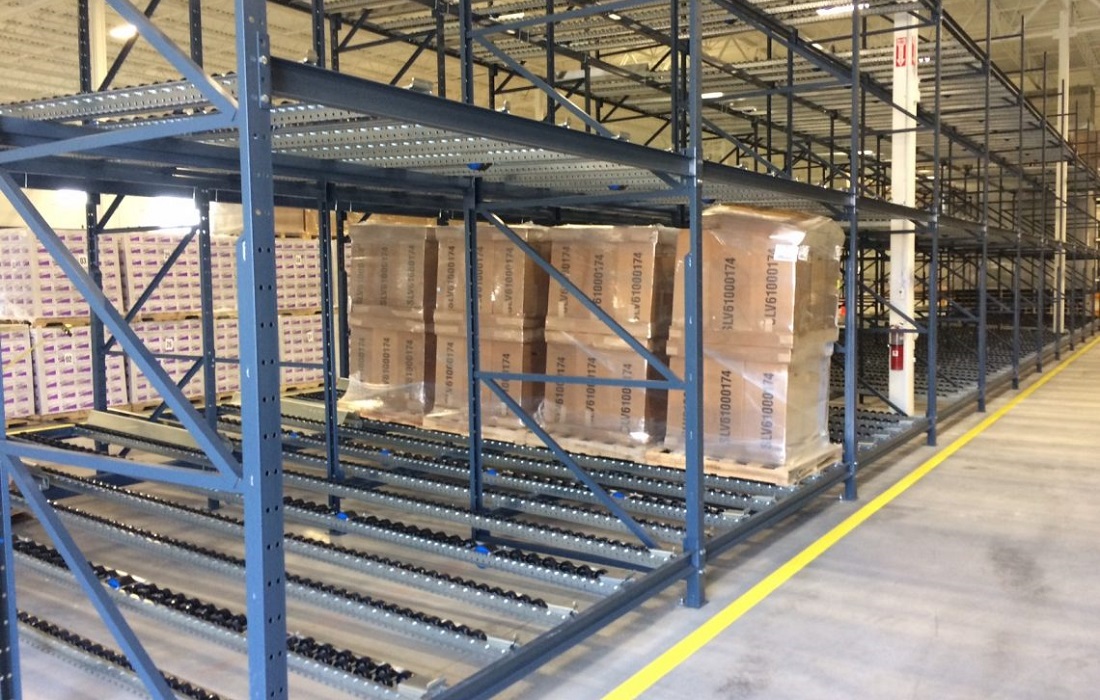
Pallet flow rack in Wilmington supports date rotation when port-related receipts arrive while older food stock is still awaiting dispatch. Receiving loads pallets at one end, picking removes them at the other, and gravity rollers advance the remaining inventory toward the discharge face without routine reshuffling inside the lane.
Concentrated arrivals do not automatically justify the deepest available storage. The better starting point is how many pallets of each SKU remain after the first outbound orders leave. We compare arrival lots, demand and date groups so a storage block does not sacrifice access to items with smaller or less predictable quantities.
How pallet flow rack controls each arrival
Roller support and slope must work with the actual load, while braking components govern forward travel.
Inspect arriving pallet families
Collect dimensions, loaded weights and photographs of the underside. Identify inconsistent runners, loose boards or wrapping that could catch on rollers. Port-related handling does not guarantee identical pallets, so establish which bases can enter the system and which require a different handling route.
Size lanes to usable demand
Translate stock by SKU and date group into lane counts and depth. Set the lane length and slope for the selected roller equipment, checking the building's available height and approach aisles. Avoid using a deeper lane simply because one inbound shipment is unusually large.
Regulate advance toward picking
Specify brakes or speed controllers for the working weight range and operating environment. Review end stops and any pallet separator needed at discharge. These components help manage movement and queue pressure as operators remove the first pallet and the next moves forward.
Trial movement under real conditions
Use representative loads to check tracking, travel and discharge after assembly. Where storage is refrigerated, address the actual environment rather than relying only on ambient assumptions. Confirm the replenishment and removal routine, lane labeling and response to pallets that do not meet acceptance criteria.
Why pallet flow racking suits planned food rotation
FIFO works within each correctly replenished lane; it does not sort an assortment of dates placed in the wrong order. Food handling teams need lane identification and receipt records alongside the physical arrangement. Keeping loading and picking separate also gives replenishment a defined destination instead of allowing inbound pallets to collect at the shipping face.
We are a division of Warehouse Equipment & Supplies Co., supplying and installing warehouse systems since 1997 for operations evaluating storage and handling together. For flow applications, that means considering pallet bases, environmental conditions and load variation before selecting rollers or committing to lane length.
Port receipts without losing dispatch space
For a food warehouse serving the Port of Wilmington, refrigerated cargo calls for a review of operating temperatures and pallet condition at receipt. An I-495 distribution building needs a rear replenishment route that does not consume truck staging space. Along US 13, industrial supply operations may need shorter flow sections beside other storage so mixed freight and date-controlled food do not compete for the same lane assignments.
Wilmington pallet flow rack service planning
Review Wilmington facility planning for the broader Wilmington facility arrangement, then consult gravity pallet storage when narrowing the choice to full-pallet FIFO lanes. We connect the storage proposal to port receiving, inventory rotation and the space needed for the two working aisles before defining the installation scope.
Consider pushback reserve layouts if imported reserve can operate last-in, first-out and a single working face is important. Explore carton flow alternatives for store orders assembled by the case, keeping small-unit picking distinct from the roller lanes that move complete pallet loads.
Installation uses experienced installation crews we schedule and manage, with staging areas discussed against receiving and dispatch movements. After assembly, lane settings and representative pallet travel are reviewed along with configuration-specific load information, so the handoff covers operating behavior as well as the standing rack structure.
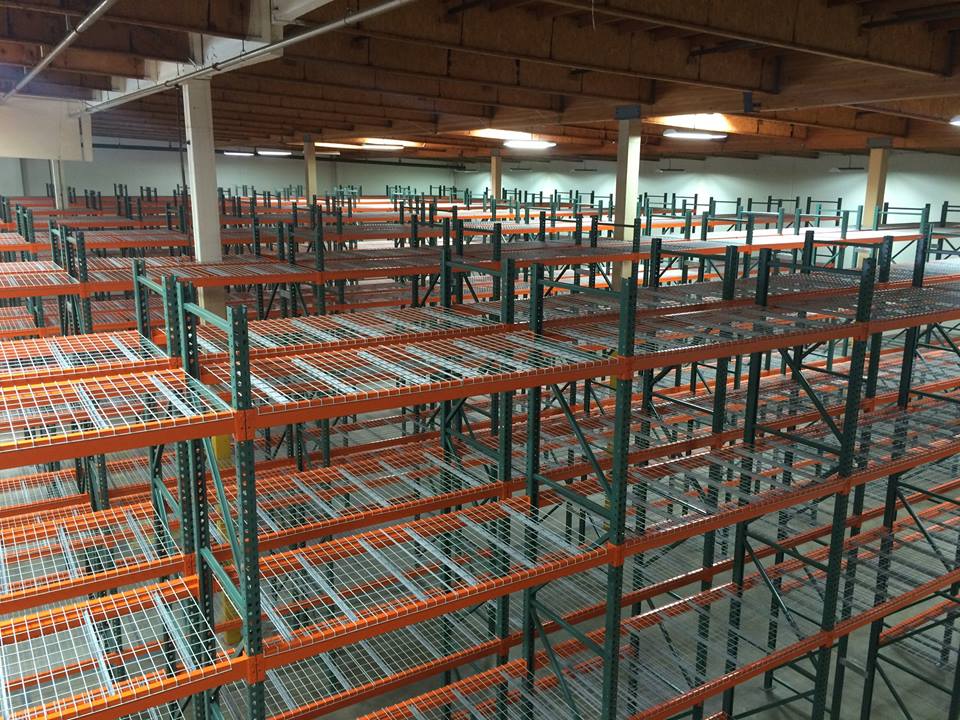
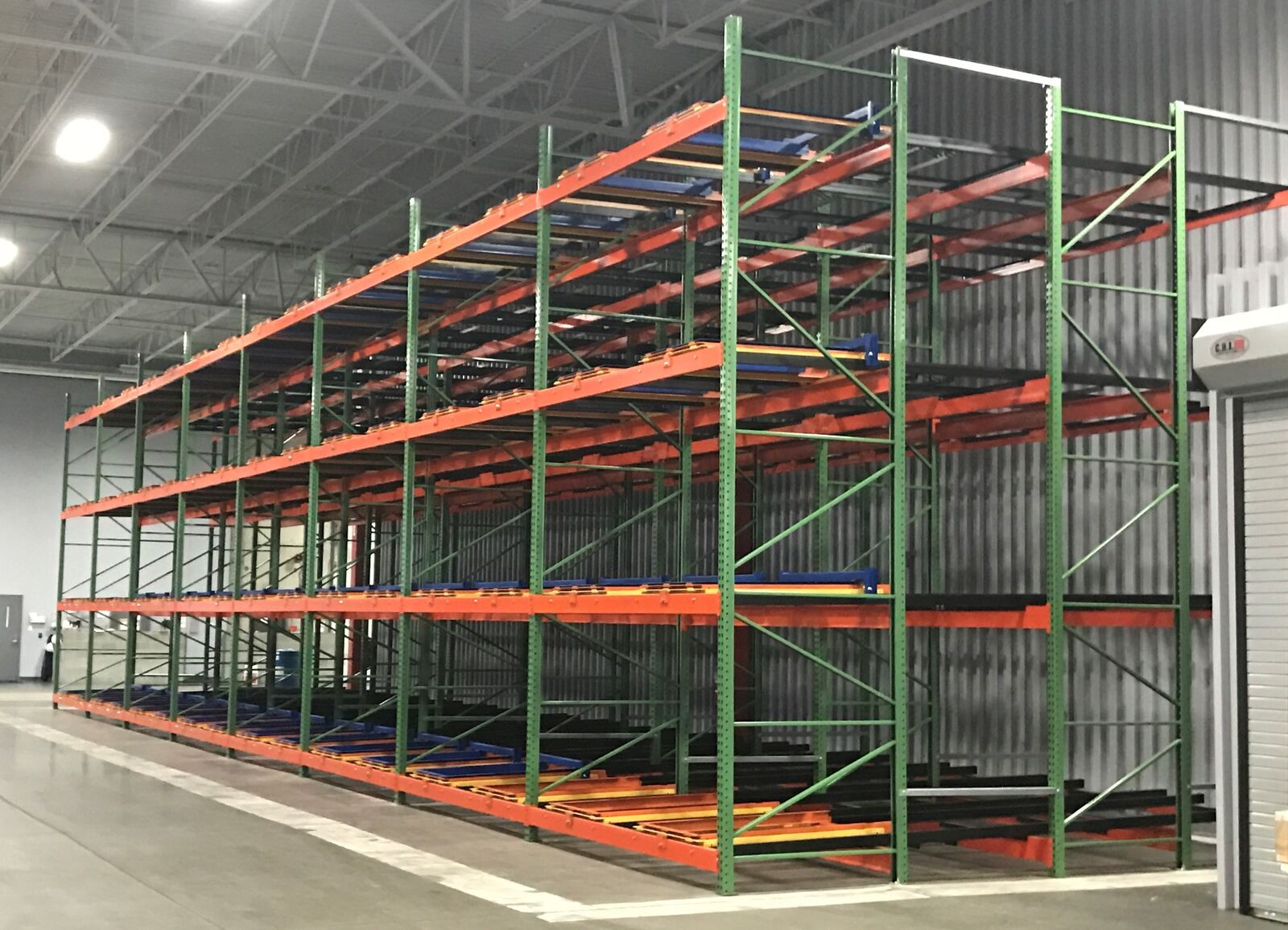
Warehouse Racking Examples
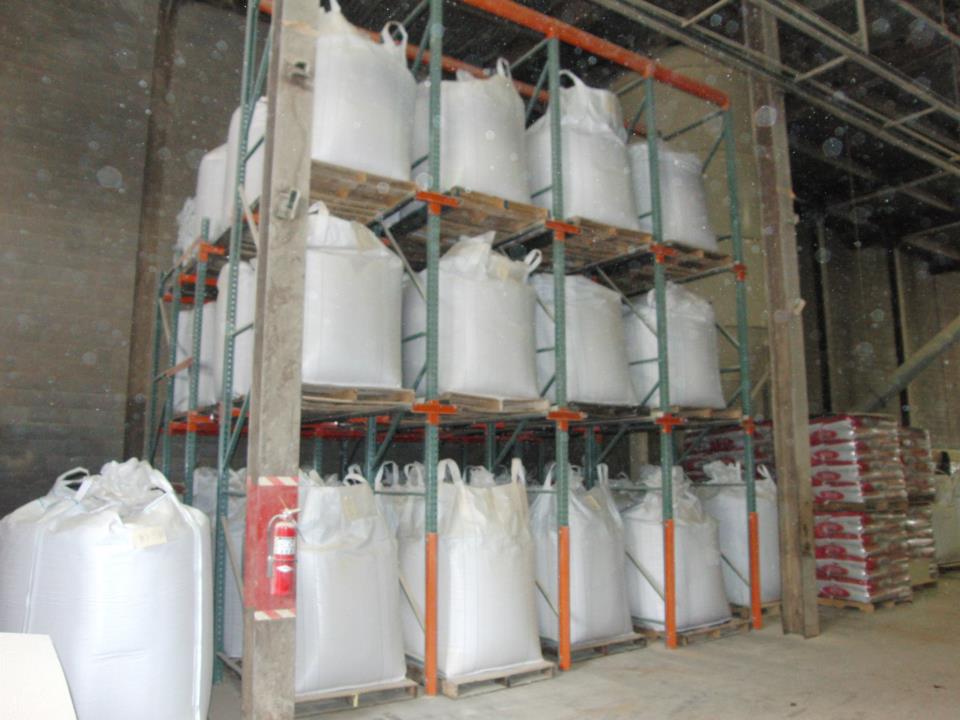
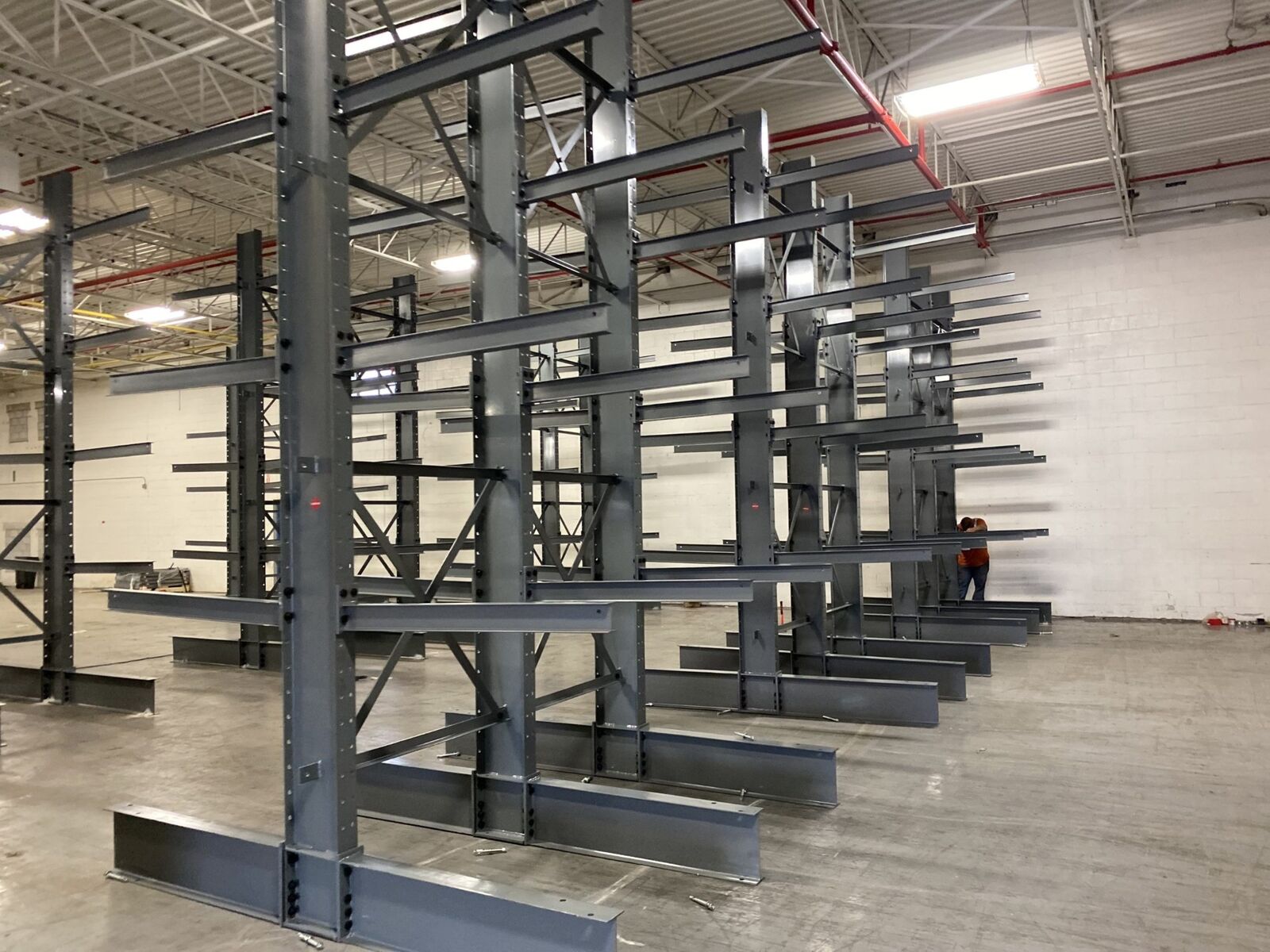
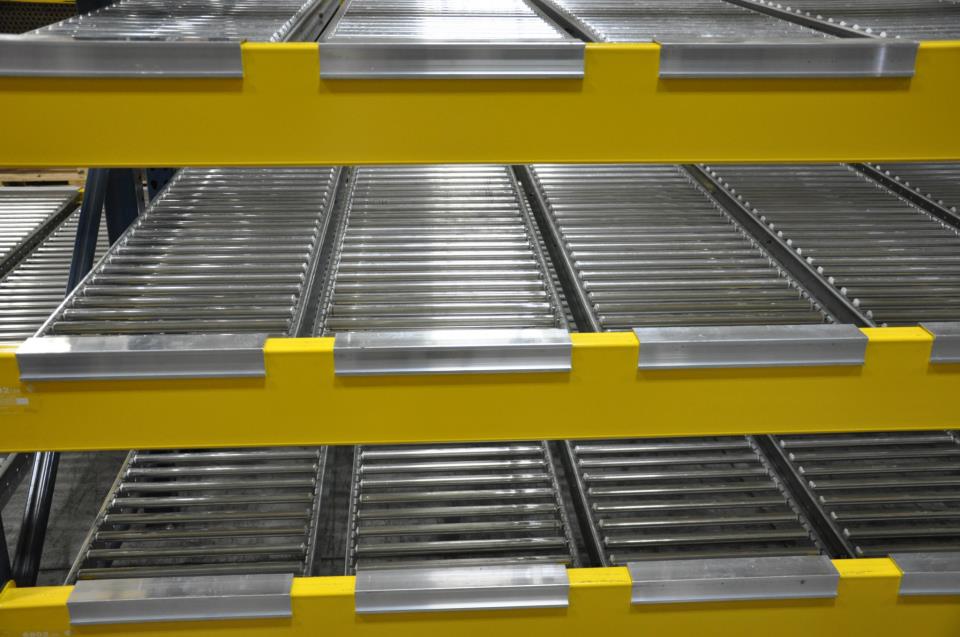
Pallet flow rack: Plan around the next inventory cycle
Provide typical arrival quantities, the number of active dates per SKU and outbound pallet demand.
Philadelphia Pallet Rack
7201 Frankford Ave.
Unit #3151
Philadelphia, PA 19135
(215) 445-1559Monday - Friday: 8:00 AM - 6:00 PM
Wilmington questions about gravity flow rack
Other Rack Types We Supply in Wilmington
Pallet Rack
Every pallet reachable, every time. The baseline we size everything else against.
View detailsPushback Rack
Two to six pallets deep from one aisle, without giving up much reach.
View detailsDrive-In Rack
Fewer access aisles. Forklifts enter storage lanes built for bulk pallets of the same item.
View detailsCantilever Rack
Arms with nothing in front of them, built for lumber, pipe, and anything a pallet can't hold.
View detailsCarton Flow Rack
Cases advance to the picker instead of the picker hunting for cases.
View detailsWarehouse Relocation
Teardown, label, coordinate transport and reinstall your storage systems around a planned building move.
View detailsNearby Areas We Also Serve
Wilmington port-related receipts require their own lane review, even when the same distributor also operates elsewhere nearby.
Where We Work
Located in Philadelphia, we serve the entire Greater Philadelphia region with industrial pallet racks and warehouse storage solutions.
Philadelphia Pallet Rack
Address
7201 Frankford Ave.
Unit #3151
Philadelphia, PA 19135
Phone
(215) 445-1559Business Hours
Monday - Friday: 8:00 AM - 6:00 PM
Saturday: Closed
Sunday: Closed
Need Pallet Flow Rack in Wilmington?
Call (215) 445-1559 about us 13 food dispatch.