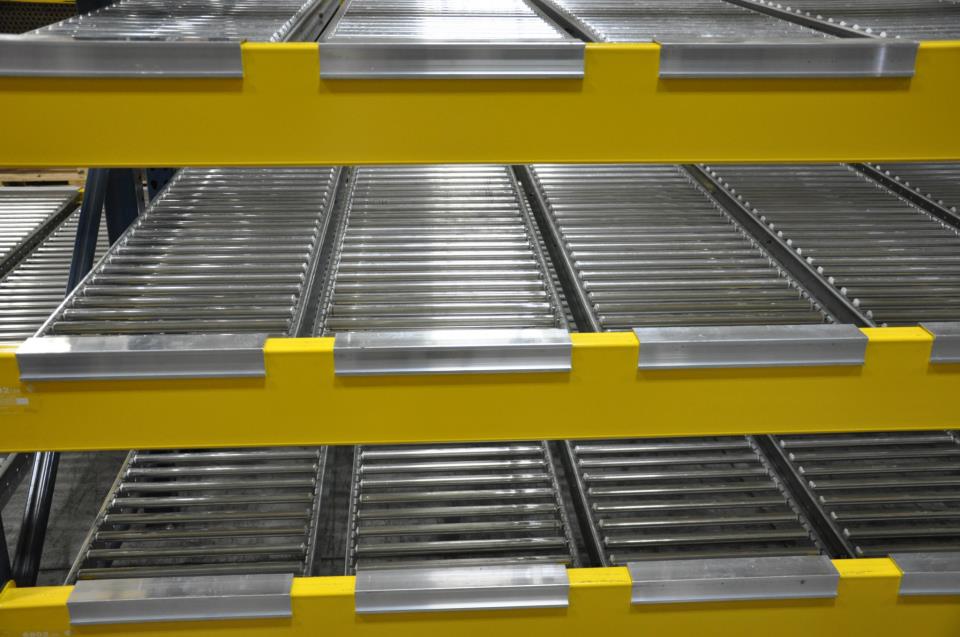
Carton Flow Rack in Exton
Carton flow rack in Exton brings opened cases and replenishment totes to a consistent picking face without asking employees to reach into deep shelving. Cases travel along inclined roller lanes, with picking at the front and replenishment from the rear. For life-science suppliers working in flex buildings, that separation can organize routine supply picking while keeping incoming inventory out of the active selection aisle.
Carton flow racking should start with the package, not the bay dimensions. Corrugated bottoms, plastic tote runners, loaded weight, and case length all affect roller support and travel. A layout serving operations around Route 100 and US-30 also needs room for replenishment carts, packaging work, and the building's existing circulation paths.
How Carton Flow Racking Is Sized Around Your Cases
A useful design records both the package envelope and the movement needed to keep the pick face supplied.
Check contact beneath the package
Provide representative full and partly depleted cases, plus any reusable totes. Roller spacing must support their bases throughout travel. Soft cartons, taped seams, and projecting tote feet deserve particular attention because they can change how consistently a container advances.
Set slope through application review
Lane pitch must move the intended package without producing excessive arrival force. Review the lightest and heaviest loads together, along with front retainers and access openings. A setting that works for one carton is not automatically suitable for every container.
Allocate lanes by replenishment demand
Use order frequency and case consumption to choose lane count and depth. Two addresses for a fast mover may support picking better than one long lane. Preserve visible labels and finger clearance when establishing divider positions and usable lane width.
Verify the surrounding rack
A pallet-bay retrofit requires review of frames, beams, connections, loading, and the proposed inserts. In a pick module, check how loaded lanes relate to reserve storage and pedestrian movement. Existing bay width alone does not establish suitability.
Why Carton Flow Rack Suits Exton Flex Operations
We examine how many cases each SKU needs between replenishment rounds before assigning lane depth. Giving every item the same space can strand capacity behind slow movers while frequently picked supplies run empty. Dividers establish clear addresses, but their spacing must accommodate actual case variation without allowing cartons to turn sideways.
Our business operates as a division of Warehouse Equipment & Supplies Co., supplying and installing since 1997. We connect the lane selection to the surrounding work: where reserve cases wait, how employees replenish them, and which pick locations deserve the easiest reach. That keeps the equipment discussion grounded in daily handling rather than a drawing alone.

Working Between Exton and West Chester
The US-202 connection between Exton and West Chester makes receiving patterns relevant to facilities supporting pharmaceutical and life-science activity. In a shared flex building, incoming cases may need temporary staging before release to picking. Plan that holding area separately from rear loading access so a delivery does not interrupt the next replenishment round.
Planning Carton Flow Rack Without Losing Working Space
Use our Exton facility planning overview to frame the building access discussion, then review Case-picking equipment options for the equipment approach. We develop the arrangement around case dimensions, replenishment direction, usable elevations, and the number of active pick addresses rather than filling every opening with lanes.
Where reserve stock also needs gravity-fed pallet movement, compare Gravity-fed pallet storage; where dense reserve storage uses a last-in, first-out sequence, consider Dense reserve storage. Neither replaces the case-level picking decision. The design should explain exactly where a pallet becomes replenishment cases and who handles that transfer.
For approved work, experienced installation crews we schedule and manage fit the agreed arrangement around available work areas. Handoff should include loading limits, lane identification, and checks using representative packages. Picking speed depends on clear addresses and steady presentation, not simply on adding more roller tracks.
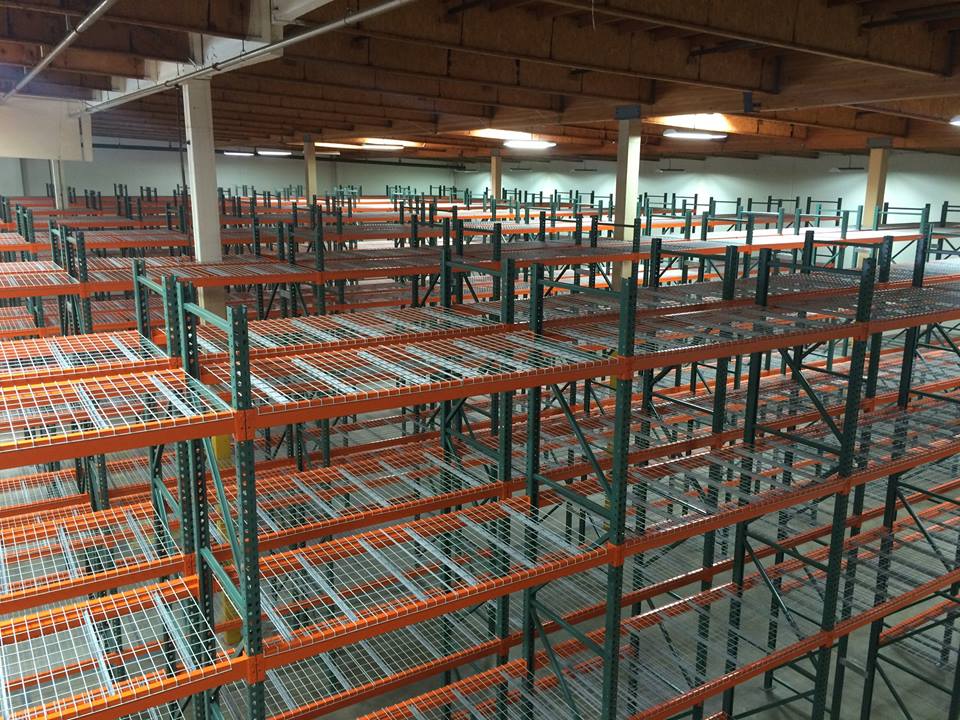
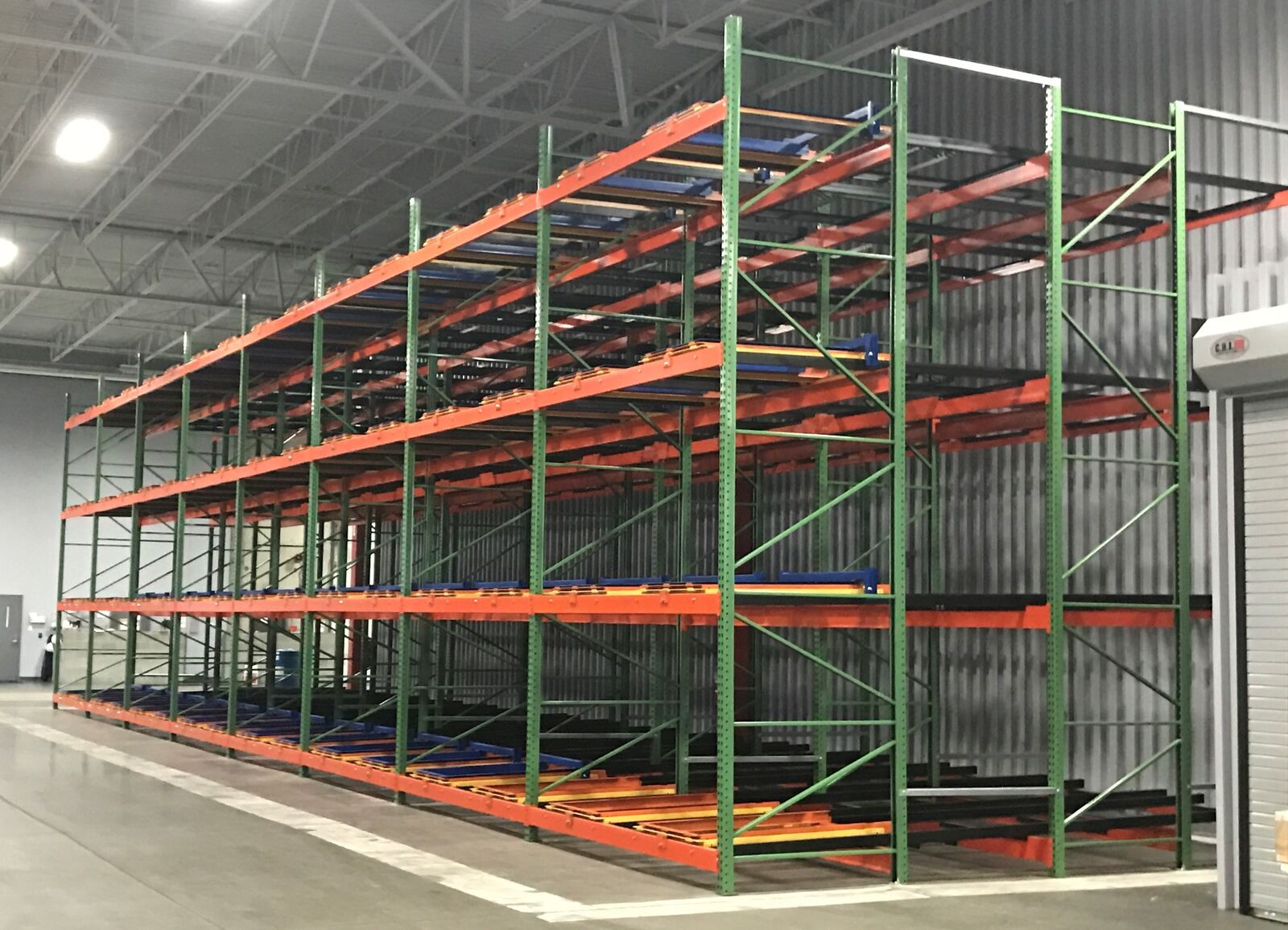
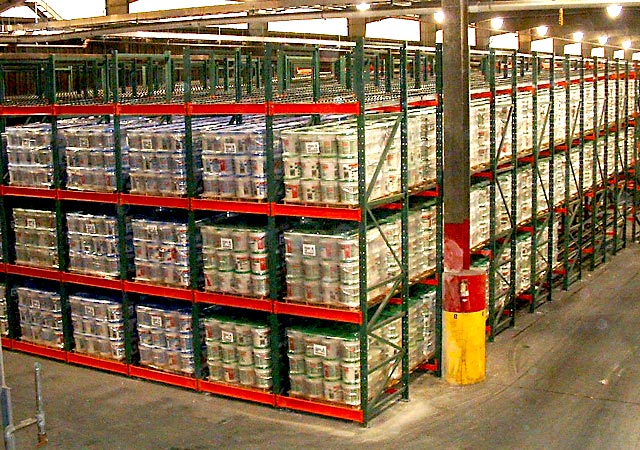
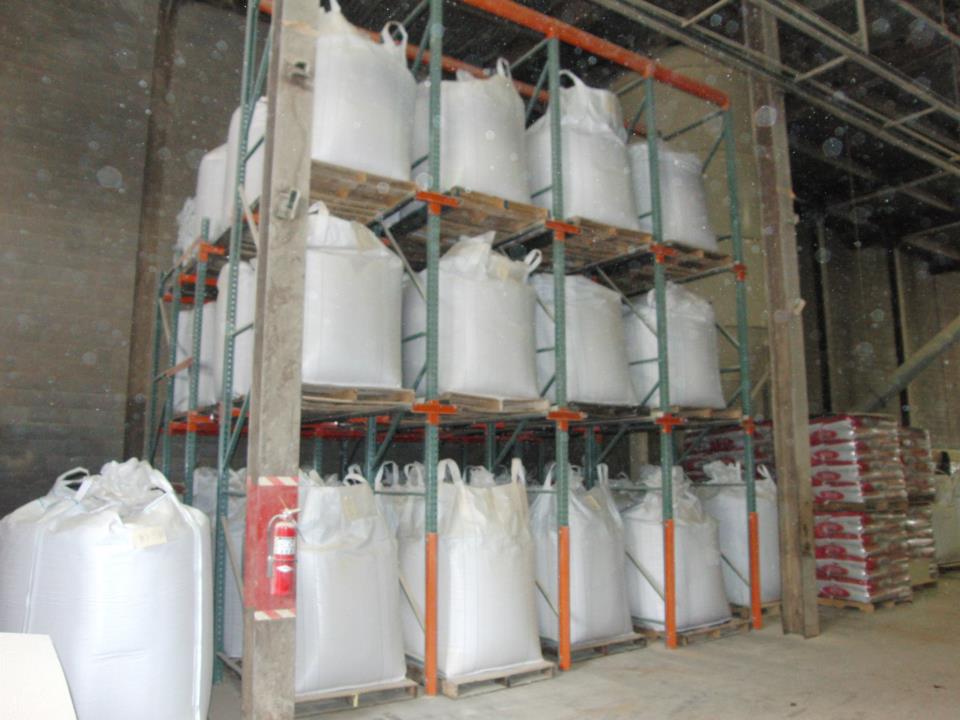
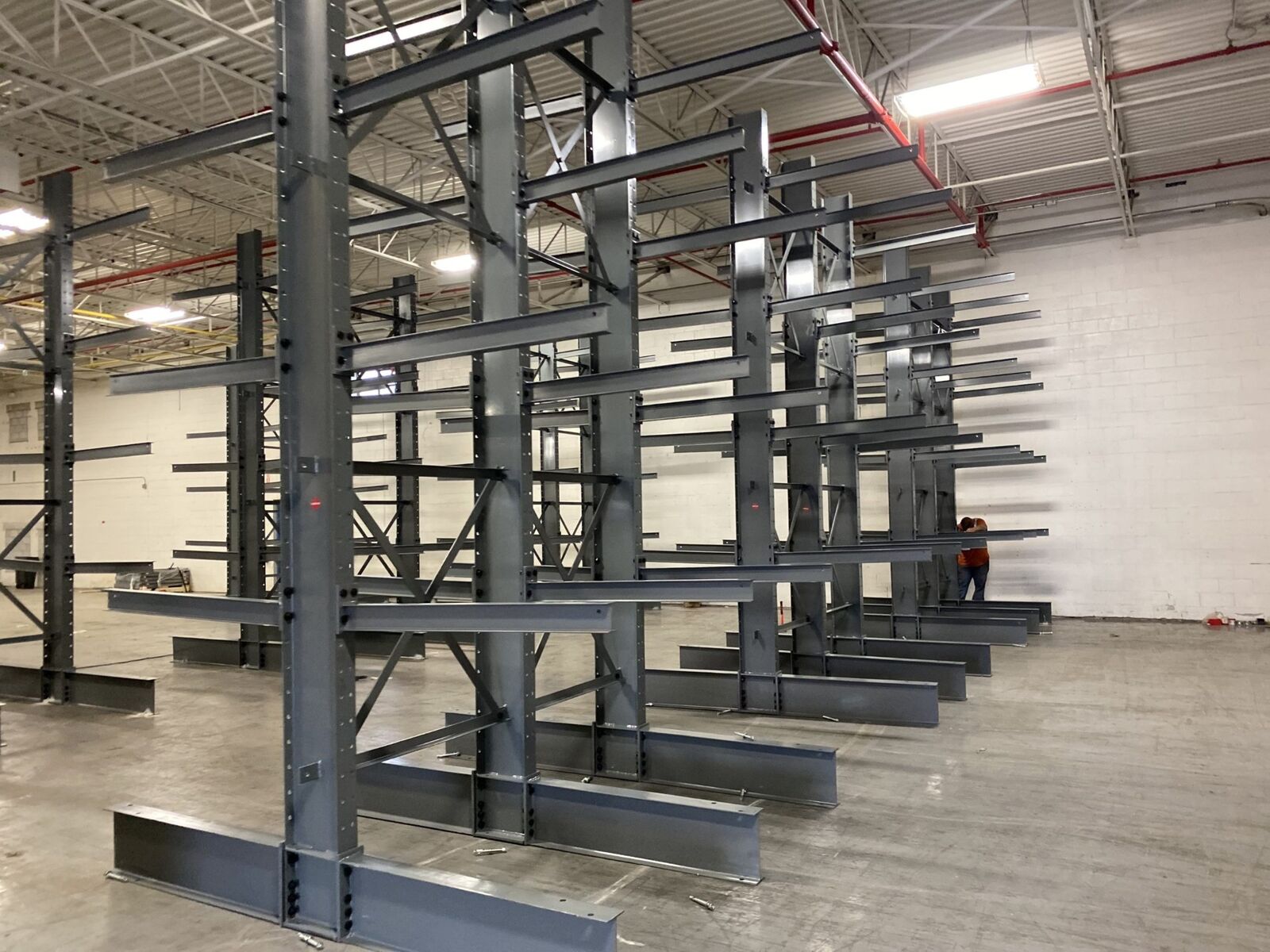
Warehouse Racking Examples
Build a Quote Around Your Package Mix
Send case sizes, loaded weights, photographs of the bases, and a sketch showing both sides of the proposed lanes.
Philadelphia Pallet Rack
7201 Frankford Ave.
Unit #3151
Philadelphia, PA 19135
(215) 445-1559Monday - Friday: 8:00 AM - 6:00 PM
Exton Planning Questions Before Lane Selection
Other Rack Types We Supply in Exton
Pallet Rack
Every pallet reachable, every time. The baseline we size everything else against.
View detailsPushback Rack
Two to six pallets deep from one aisle, without giving up much reach.
View detailsPallet Flow Rack
Load one side, pick the other, and let gravity enforce first in, first out.
View detailsDrive-In Rack
Fewer access aisles. Forklifts enter storage lanes built for bulk pallets of the same item.
View detailsCantilever Rack
Arms with nothing in front of them, built for lumber, pipe, and anything a pallet can't hold.
View detailsWarehouse Relocation
Teardown, label, coordinate transport and reinstall your storage systems around a planned building move.
View detailsNearby Areas We Also Serve
We discuss layouts for Exton facilities and nearby West Chester operations with attention to shared access and working clearances.
Where We Work
Located in Philadelphia, we serve the entire Greater Philadelphia region with industrial pallet racks and warehouse storage solutions.
Philadelphia Pallet Rack
Address
7201 Frankford Ave.
Unit #3151
Philadelphia, PA 19135
Phone
(215) 445-1559Business Hours
Monday - Friday: 8:00 AM - 6:00 PM
Saturday: Closed
Sunday: Closed
Need Carton Flow Rack in Exton?
Call (215) 445-1559 to discuss carton flow rack for your actual picking and replenishment sequence.