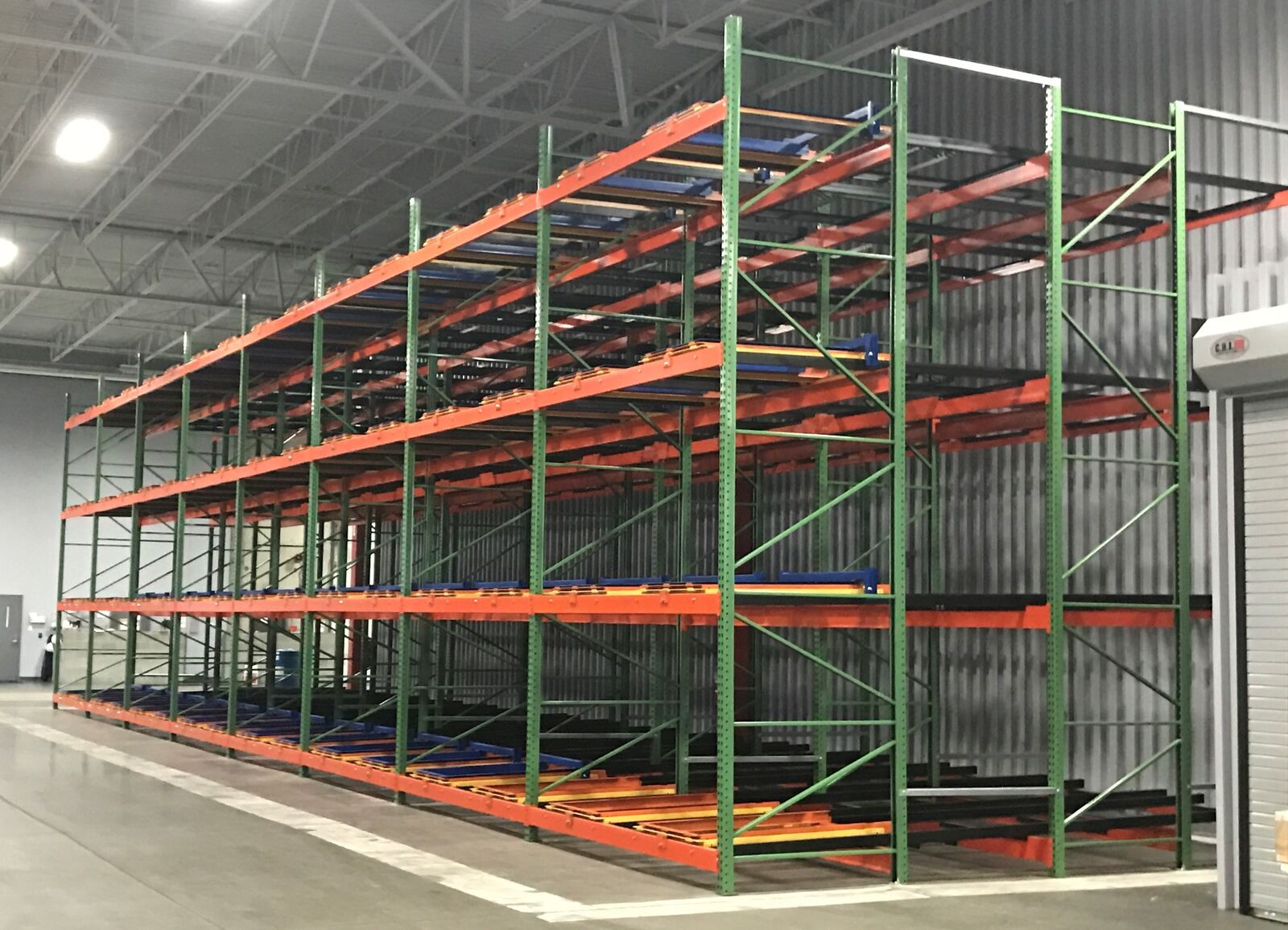
Pushback Rack in Exton
Pushback rack in Exton puts repeat component pallets behind one working face rather than spreading them across separate access aisles. Manufacturing support and pharmaceutical supply operations near US 30 and PA 100 can reserve shallow lanes for regular receipts while keeping changing production requirements outside those lanes.
In Eagleview flex buildings, storage shares space with packing benches, technical work and outbound preparation. Pushback pallet rack can consolidate suitable reserve, but its value depends on how many interchangeable pallets remain together after a production order has taken its share.
Why pushback rack earns its footprint
We compare occupied positions through a normal replenishment cycle, not merely the fullest receiving day. An attractive drawing can conceal half-empty lanes when component demand changes. The proposal should show which SKUs justify depth and which need individual access beside the reserve block.
As a division of Warehouse Equipment & Supplies Co., we bring supplying and installing experience dating from 1997 to Exton storage projects. Our scope covers new material only, with component selection tied to the proposed load pattern rather than a generic bay count.
Reserve choices around Eagleview
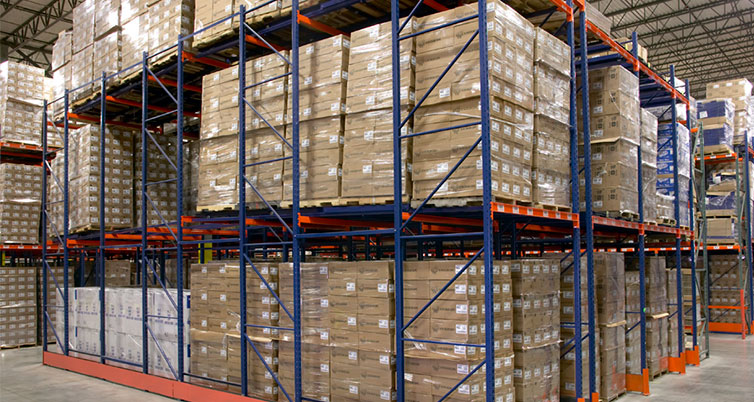
An Eagleview pharmaceutical support room may need separate released lots, while a manufacturing tenant along PA 100 may replenish assembly components in repeated batches. Those distinctions change lane assignments, reserve depth and the space left for transfer pallets; they matter more than the nearby highway alone.
How pushback rack handles component batches
Trace one receipt from the loading face through its final withdrawal before choosing a lane arrangement.
Match depth to ordinary stock
Pushback rack typically stores pallets two to six deep, depending on the system. Choose depth from ordinary pallets per SKU, not a rare purchasing peak. Check the count remaining between deliveries so a long lane does not become a dedicated pocket holding just one pallet.
Follow the cart movement
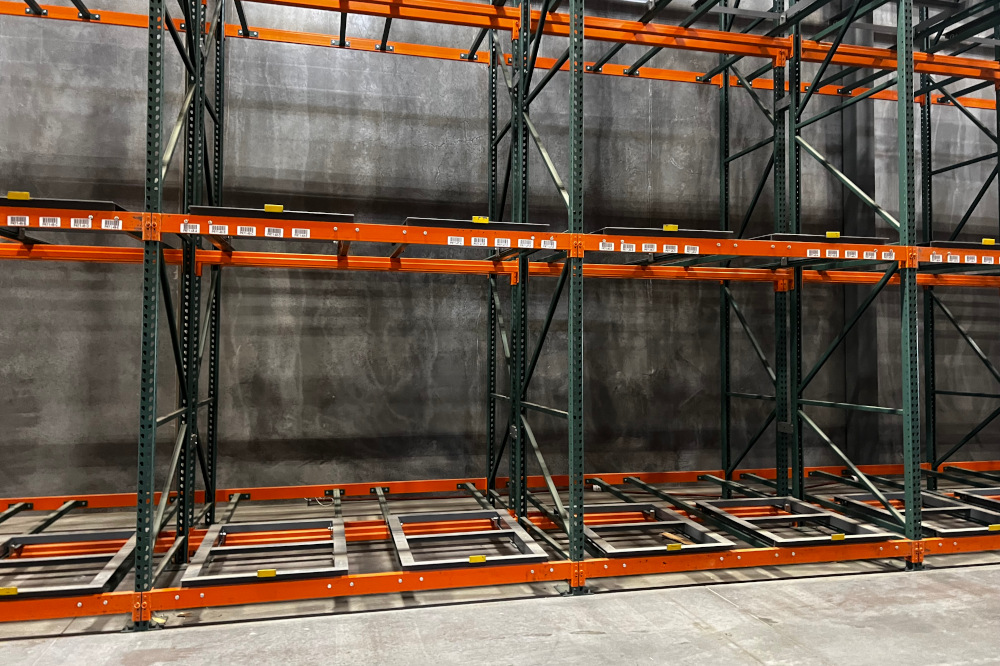
Nested carts on inclined rails carry the supported loads. Loading another pallet pushes earlier pallets rearward. During operator-controlled front withdrawal, the remaining pallets travel forward by gravity; the operator must manage that movement rather than pulling away and letting the lane run freely.
Choose the access compromise
The sequence is LIFO: last in, first out. Fewer aisles can increase reserve density, but selective rack gives direct pallet access when a particular lot is required. Drive-in storage instead involves truck floor entry into the lane, not truck travel on the support rails.
Check the complete structure
Beam and frame loads must reflect pallet weights, spans and level heights together. Confirm pallet support geometry, load overhang and lift reach. Additions to standing rack require compatibility review; matching an apparent bay width is not evidence that carts and rails are bolt-in components.
Planning pushback rack installation in flex space
Begin with Exton warehouse services and identify which rooms receive full pallets versus mixed production stock. We map staging, row ends and the working face before assigning pushback rack positions, so a dense block does not simply displace the transfer work into an aisle.
Use Pushback system overview to compare lane arrangements, then supply pallet dimensions, loaded weights and normal SKU quantities. We coordinate the agreed new-material installation through experienced installation crews we schedule and manage, with the work area and material staging discussed before assembly begins.
Compare Gravity flow alternatives when oldest-first handling is essential, and Deep lane alternatives when bulk lots justify truck entry. A pharmaceutical date requirement can rule out same-face LIFO storage even where the proposed pallet count looks appealing.
Warehouse Racking Examples
Build an Exton lane schedule
Send an inventory snapshot and the quantities left just before replenishment. Both views help distinguish useful capacity from empty depth.
Philadelphia Pallet Rack
7201 Frankford Ave.
Unit #3151
Philadelphia, PA 19135
(215) 445-1559Monday - Friday: 8:00 AM - 6:00 PM
Questions from production storage teams
Other Rack Types We Supply in Exton
Pallet Rack
Every pallet reachable, every time. The baseline we size everything else against.
View detailsPallet Flow Rack
Load one side, pick the other, and let gravity enforce first in, first out.
View detailsDrive-In Rack
Fewer access aisles. Forklifts enter storage lanes built for bulk pallets of the same item.
View detailsCantilever Rack
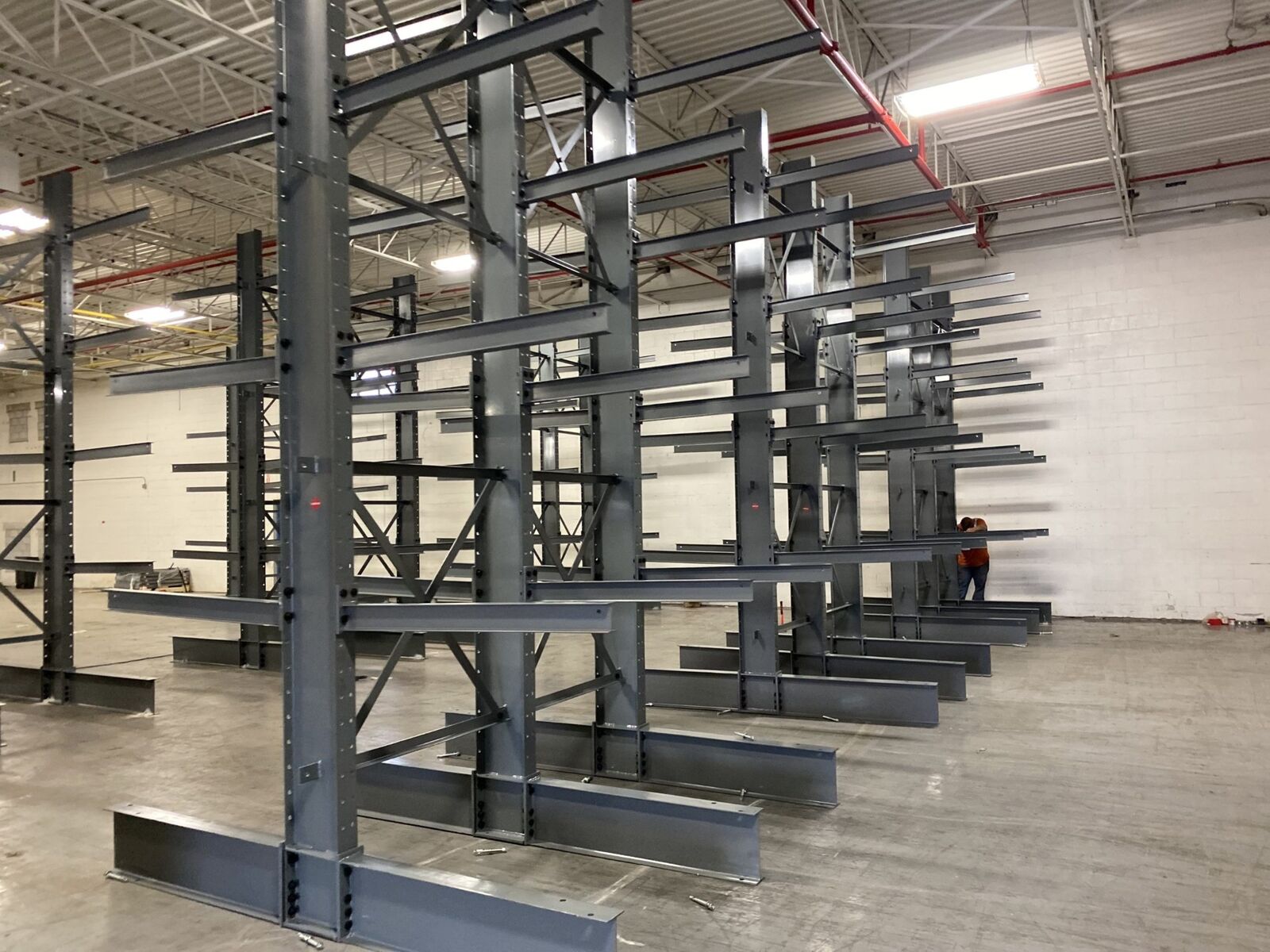
Arms with nothing in front of them, built for lumber, pipe, and anything a pallet can't hold.
View detailsCarton Flow Rack
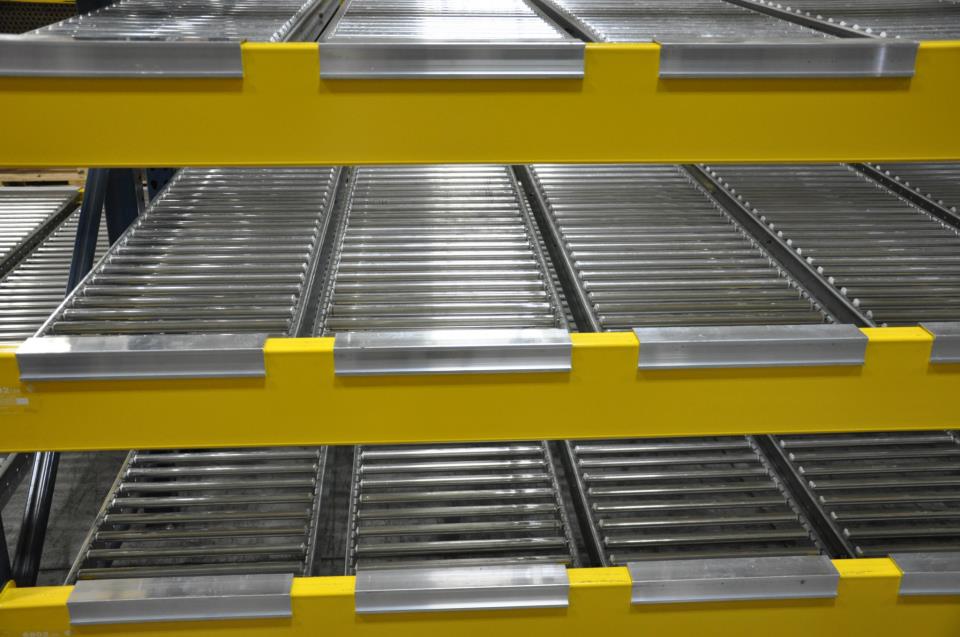
Cases advance to the picker instead of the picker hunting for cases.
View detailsWarehouse Relocation
Teardown, label, coordinate transport and reinstall your storage systems around a planned building move.
View detailsNearby Areas We Also Serve
We discuss Exton projects around US 30, PA 100 and Eagleview with the building layout and material movements in view.
Where We Work
Located in Philadelphia, we serve the entire Greater Philadelphia region with industrial pallet racks and warehouse storage solutions.
Philadelphia Pallet Rack
Address
7201 Frankford Ave.
Unit #3151
Philadelphia, PA 19135
Phone
(215) 445-1559Business Hours
Monday - Friday: 8:00 AM - 6:00 PM
Saturday: Closed
Sunday: Closed
Need Pushback Rack in Exton?
Bring your pallet list to the conversation so the next step is a measurable storage comparison.