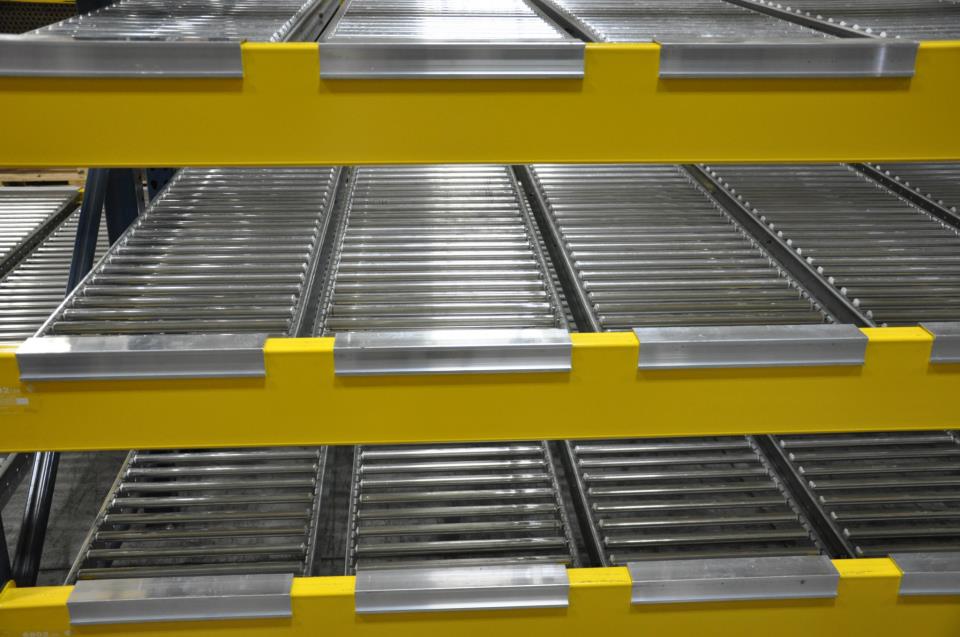
Carton Flow Rack in Lansdale
Carton flow rack in Lansdale can bring production components to an accessible selection point while replenishment takes place behind the work area. Cases and totes advance on inclined roller lanes as the leading container is removed. For manufacturers, the value is a defined supply position that reduces searching through stacked containers and reaching across partially emptied boxes.
Selecting carton flow racking for production requires attention to the container throughout its working cycle. A tote may arrive full, sit partly depleted during assembly, and leave empty along a separate return route. Those movements should shape lane support, presentation height, and nearby staging before a buyer chooses the frame arrangement.
Scoping Carton Flow Rack for Active Manufacturing Areas
Start with Lansdale manufacturing storage for the surrounding facility context and Case and tote presentation for the lane-based approach. Your scope should list container families, component addresses, shift consumption, and the space available behind each proposed bay. Photographs of actual tote bottoms are especially useful.
Bulk inputs may call for FIFO bulk-material storage when pallet rotation follows a first-in, first-out sequence, or Compact pallet reserve options when a last-in, first-out reserve arrangement suits the material. Establish the transfer from bulk storage to cases before locating the line-side supply face.
An agreed work sequence allows experienced installation crews we schedule and manage to fit the system around available production areas. At handoff, verify package travel and lane labels with the intended containers. Picking speed improves when operators can identify and reach the next component without sorting through adjacent stock.
How Carton Flow Racking Handles Cases and Returnable Totes
Begin with a material-use cycle, then translate it into supported containers and reachable pick locations.
Document the full container cycle
Record incoming quantity, consumption rate, remaining contents at changeover, and the empty-container destination. This exposes whether the rack needs full-case presentation, access into an opened tote, or space for a temporary changeover container outside the active lane.
Match tracks to the base
Rollers must contact a stable portion of the case or tote throughout travel. Molded feet and recessed bases can require a different arrangement from flat corrugated cartons. Review both the heaviest replenishment load and the lighter container left during picking.
Choose dividers and pick openings
Lane width should accommodate handling variation without letting containers drift across neighboring addresses. Dividers keep parts separated, but operators also need room to grasp the item. Check opening height against the task, not merely the closed container dimensions.
Fit the arrangement into existing bays
A retrofit in pallet rack requires verification of the supporting structure and proposed loads. Check lane depth against rear access and front working clearance. In larger pick modules, establish where replenishment personnel enter without interfering with production-side selection.
Why Carton Flow Rack Should Follow Production Demand
We examine consumption by work area rather than assuming all components need equal quantities at the line. A part used on every assembly may warrant multiple lanes, while an occasional option may belong elsewhere. That distinction preserves accessible frontage for the items operators actually select throughout the shift.
The planning team is part of a division of Warehouse Equipment & Supplies Co., supplying and installing since 1997. We consider raw components, work in process, and finished packaging as different flows. Keeping those movements distinct helps prevent a supply rack from becoming an unplanned holding area for everything near the line.
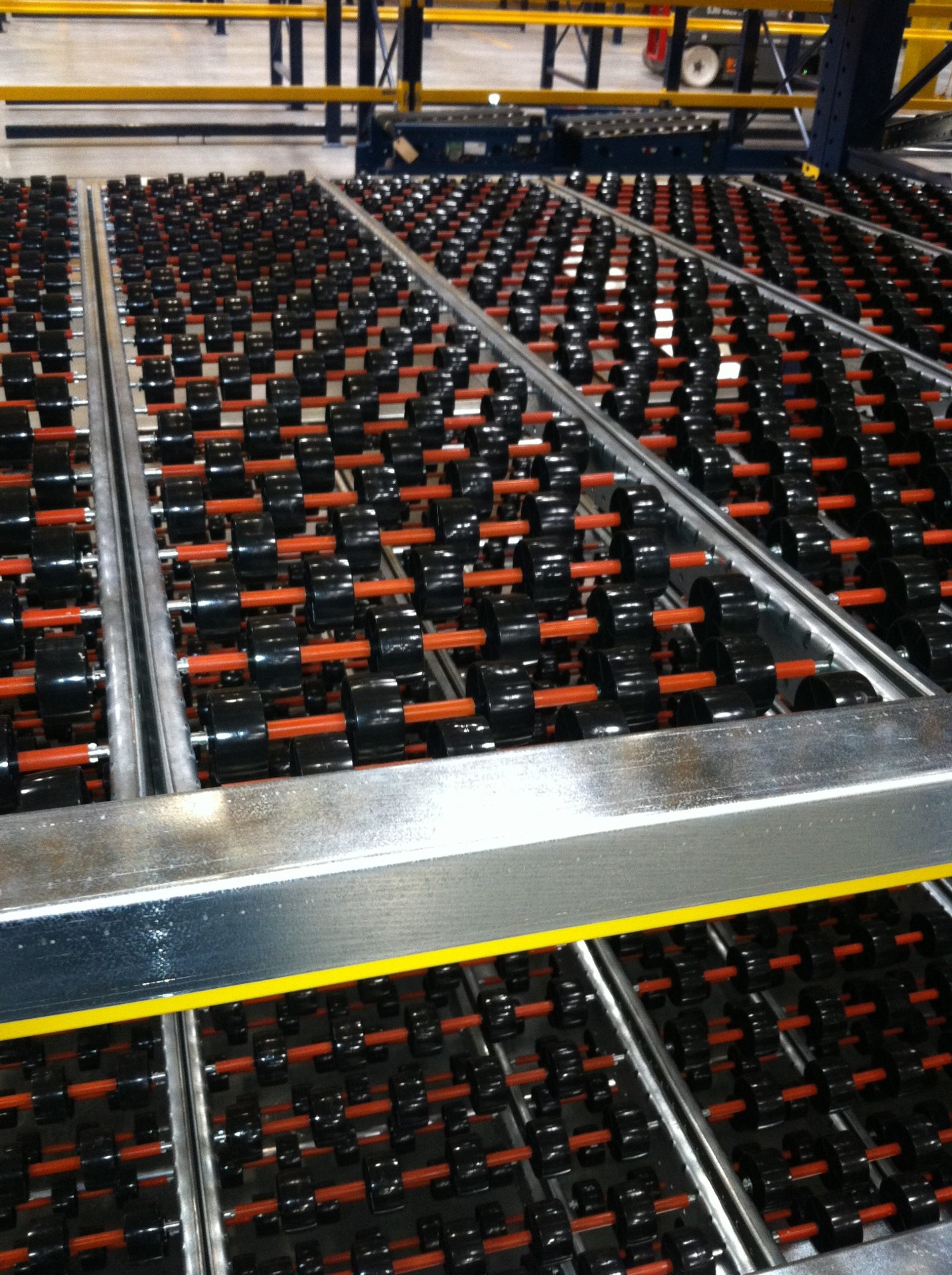
Component Supply Around Lansdale and Montgomeryville
Manufacturing activity around Lansdale, Montgomeryville, and Route 309 makes internal material movement a practical design concern. Facilities using Route 63 or serving West Point may combine production and shipping within one building. A line-side layout should preserve the route between those functions instead of requiring replenishment carts to pass through active assembly positions.
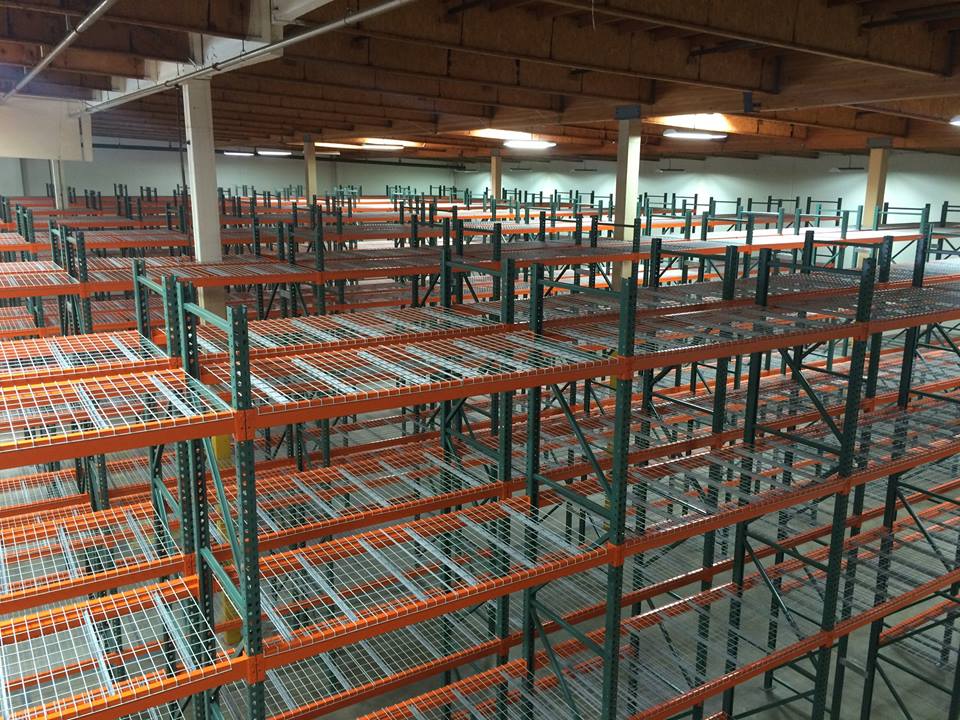
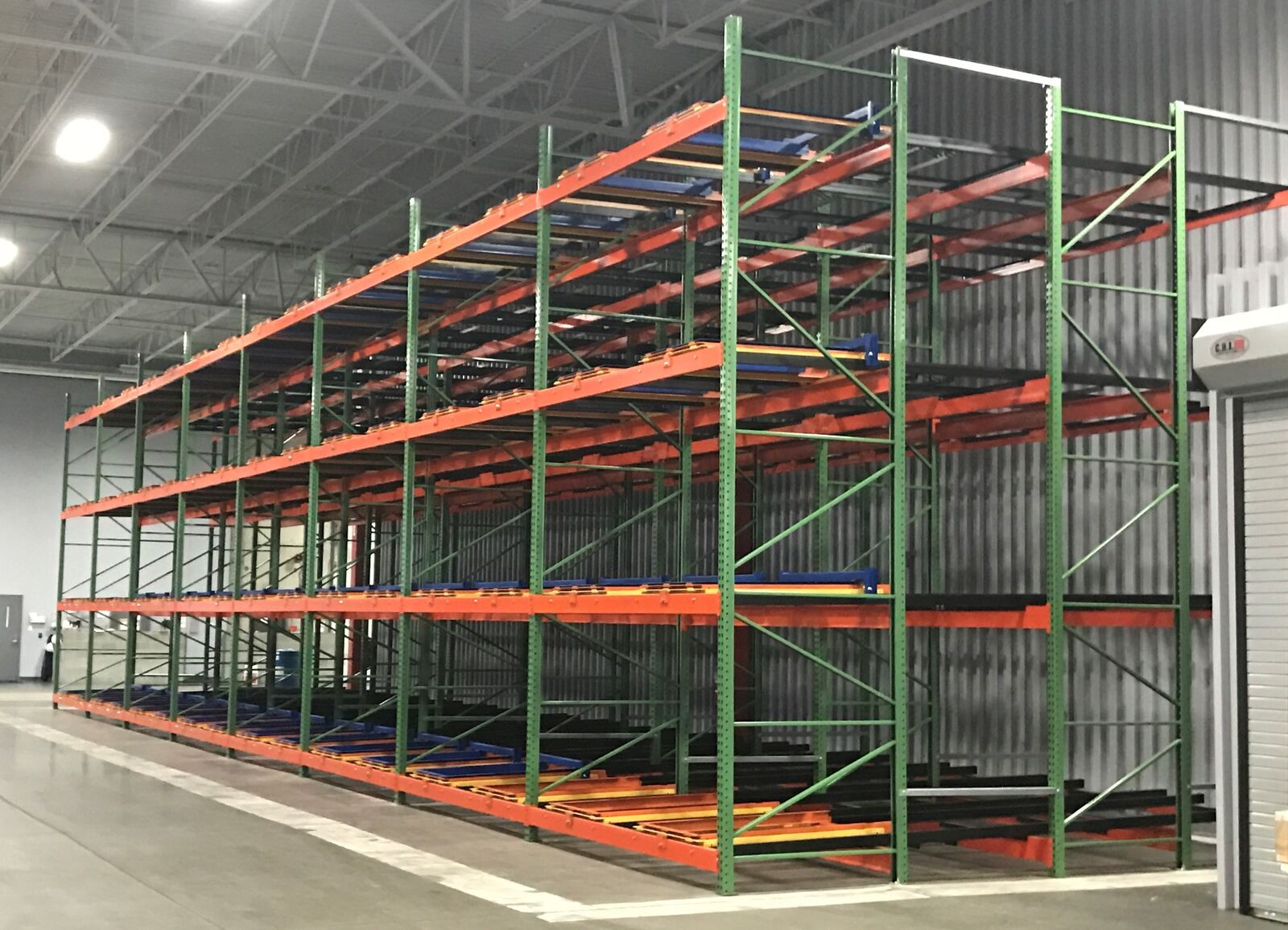
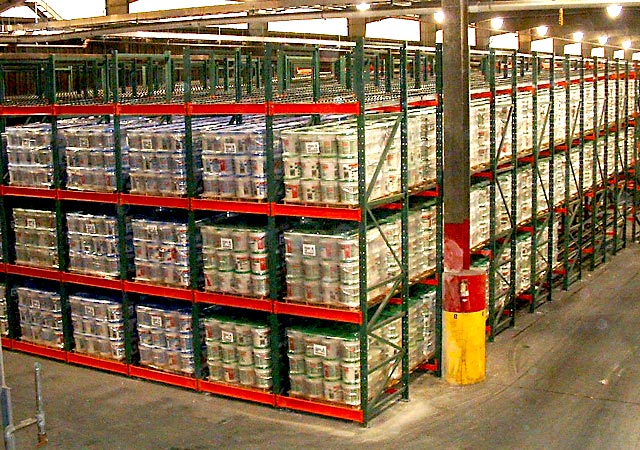
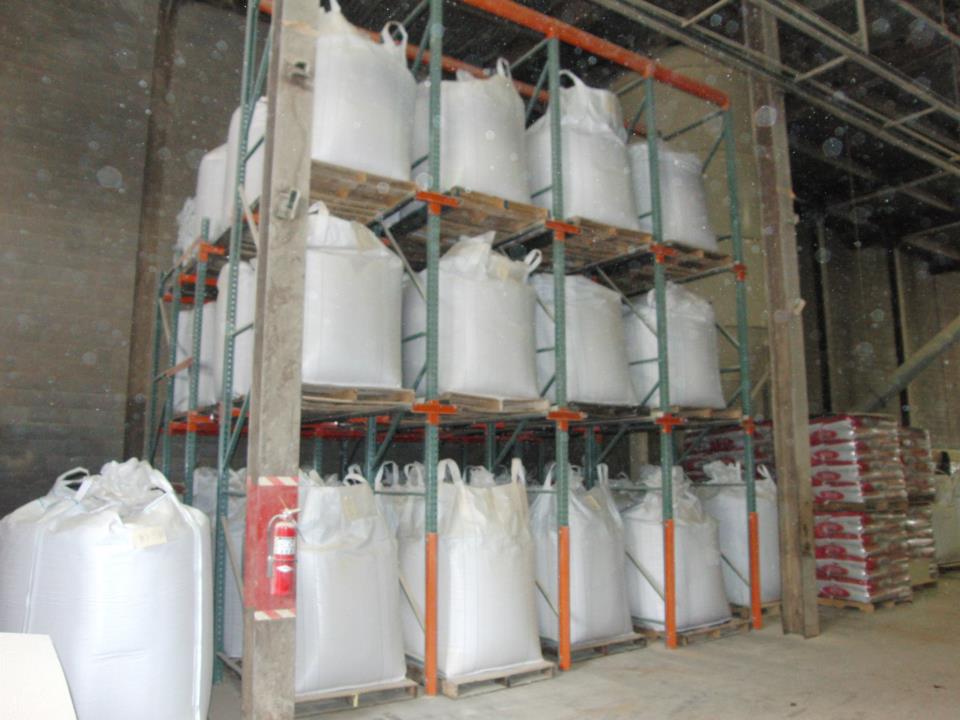
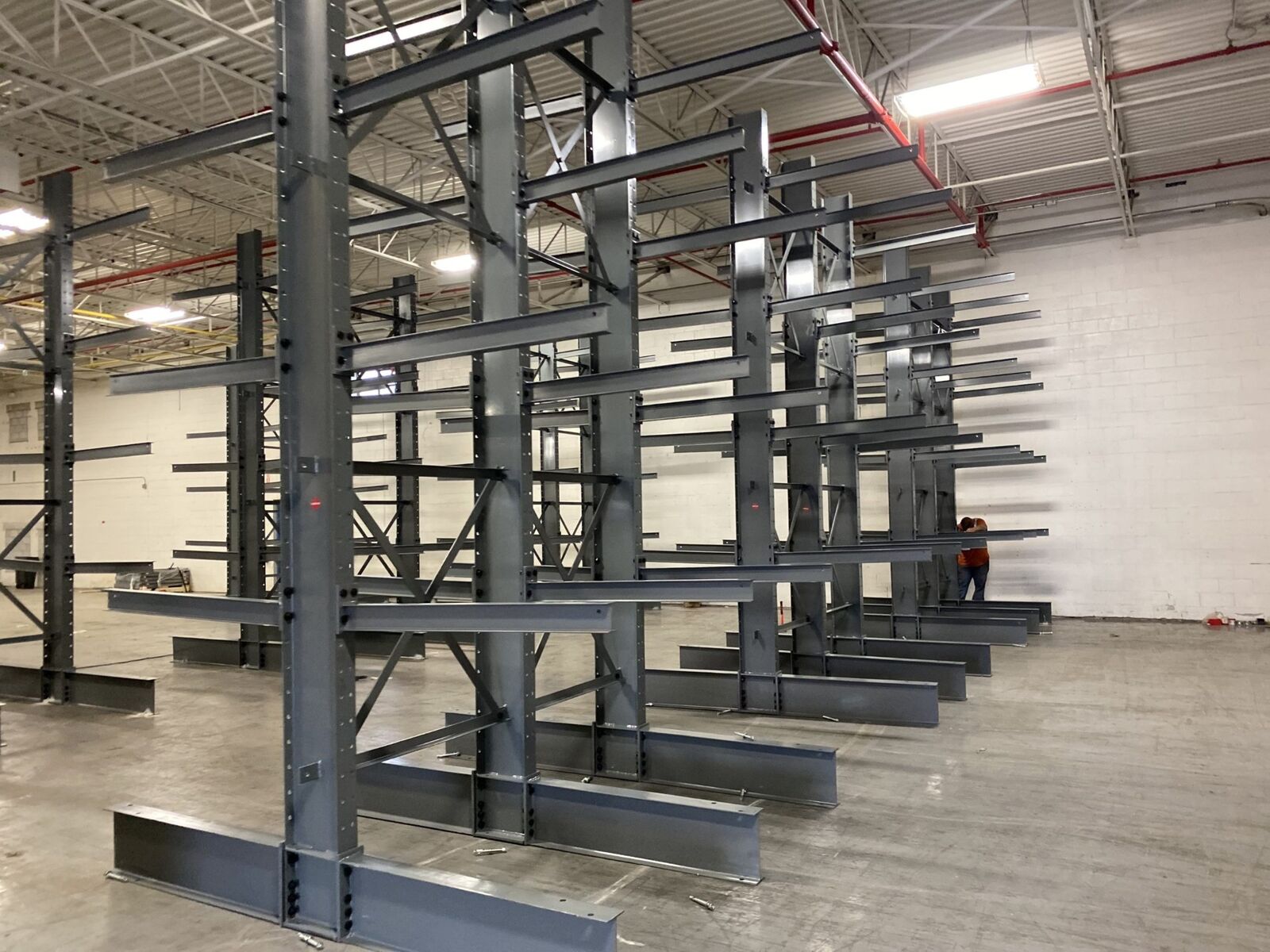
Warehouse Racking Examples
Describe One Shift of Material Consumption
Send container measurements and a simple process sketch showing where full containers enter and empties leave.
Philadelphia Pallet Rack
7201 Frankford Ave.
Unit #3151
Philadelphia, PA 19135
(215) 445-1559Monday - Friday: 8:00 AM - 6:00 PM
Production-Side Questions for Lansdale Buyers
Other Rack Types We Supply in Lansdale
Pallet Rack
Every pallet reachable, every time. The baseline we size everything else against.
View detailsPushback Rack
Two to six pallets deep from one aisle, without giving up much reach.
View detailsPallet Flow Rack
Load one side, pick the other, and let gravity enforce first in, first out.
View detailsDrive-In Rack
Fewer access aisles. Forklifts enter storage lanes built for bulk pallets of the same item.
View detailsCantilever Rack
Arms with nothing in front of them, built for lumber, pipe, and anything a pallet can't hold.
View detailsWarehouse Relocation
Teardown, label, coordinate transport and reinstall your storage systems around a planned building move.
View detailsNearby Areas We Also Serve
We review component-storage needs across Lansdale and Montgomeryville, including buildings that combine manufacturing with distribution.
Where We Work
Located in Philadelphia, we serve the entire Greater Philadelphia region with industrial pallet racks and warehouse storage solutions.
Philadelphia Pallet Rack
Address
7201 Frankford Ave.
Unit #3151
Philadelphia, PA 19135
Phone
(215) 445-1559Business Hours
Monday - Friday: 8:00 AM - 6:00 PM
Saturday: Closed
Sunday: Closed
Need Carton Flow Rack in Lansdale?
Call (215) 445-1559 to evaluate carton flow rack against your replenishment workload and operator access.