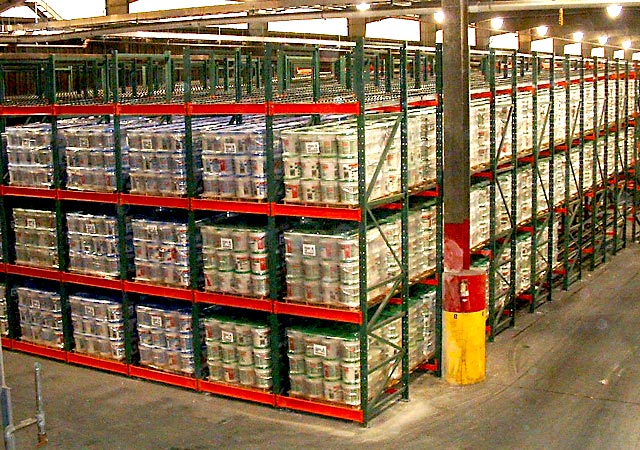
Pallet Flow Rack in Lansdale
Pallet flow rack in Lansdale should be selected around the pallets carrying production supplies, not just the FIFO objective. Gravity rollers need suitable underside contact to move loads along a sloped lane. A nominally identical footprint can behave differently when board spacing, pallet construction or loaded weight changes.
For manufacturing supply and pharmaceutical support operations, the application is repeated dated stock moving toward issue or dispatch. Loading happens at the rear and picking at the opposite end, keeping newer receipts behind earlier loads. That physical sequence supports rotation, but it does not replace lot identification, stock release decisions or records maintained by the operator.
How pallet flow rack supports production supply
Pallet flow rack works best when the specification follows the production supply cycle. These checks turn an inventory category into a defined handling arrangement.
Identify repeat batches
List pallets per SKU, replenishment frequency and the quantities issued to production. Allow separate lanes where batches cannot share a handling sequence. A broad assortment of single-pallet parts should not dictate the depth intended for repeat production inputs.
Examine the actual base
Collect representative pallet formats and describe minimum and maximum loaded weights. Review bottom boards, damage and loose packaging before choosing gravity rollers. Establish which incoming pallets may enter directly and which need another handling route.
Balance travel and control
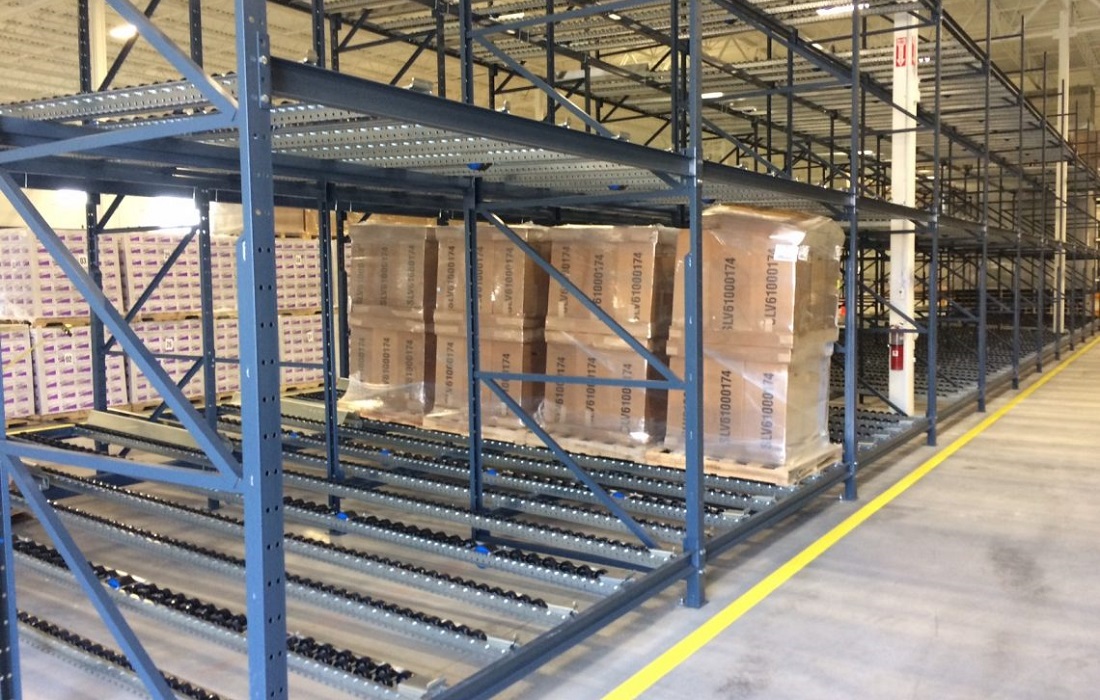
Determine lane length and slope together with available loading height. Select brakes or speed controllers to regulate advance over that distance, then consider front-end separation where needed to let the picking truck remove a load without excessive queue pressure.
Verify the working sequence
Use representative loaded pallets to check travel and discharge after installation. Confirm that production-facing picking remains accessible while replenishment occurs behind the block, and document the lane identification and loading practices that support the intended FIFO sequence.
Specify gravity flow rack with installation planning
Our Lansdale warehouse storage discussion maps raw materials, work in process and finished goods before allocating storage. Reviewing pallet flow systems then focuses on repeat dated pallets, their bases, weight range and the stock levels each lane must accommodate.
Compare pushback storage for reserve components where rotation rules allow last-in, first-out access from one aisle. Use carton flow lanes when assembly staff need individual cartons presented at a picking face rather than full pallets advancing on rollers.
Production access informs delivery staging and work-zone sequencing. For the approved arrangement, experienced installation crews we schedule and manage assemble the rack and flow equipment; we coordinate the movement checks and operating handover around the areas identified in the installation plan.
Why pallet flow racking begins beneath the load
We ask for load extremes and pallet variations early because a lane that handles only the average load is not a complete specification. Brakes or speed controllers must work with the stated weight range, and roller support must suit the base traveling over it. Production demand then determines how many dedicated lanes are justified.
Supplying and installing since 1997, our operation is a division of Warehouse Equipment & Supplies Co. We bring the storage discussion back to practical boundaries: acceptable pallet condition, usable lane depth and the routes needed to keep replenishment apart from material being issued.
PA 63 supply meets West Point production
Manufacturing buildings near PA 63 may need incoming materials kept away from finished goods awaiting dispatch. Establishing the two operating faces around those movements matters more than drawing the longest possible lanes. For pharmaceutical support and parts distribution around West Point and PA 309, separating active dated supplies from slow catalog parts helps prevent dedicated flow positions becoming fragmented storage.
Warehouse Racking Examples
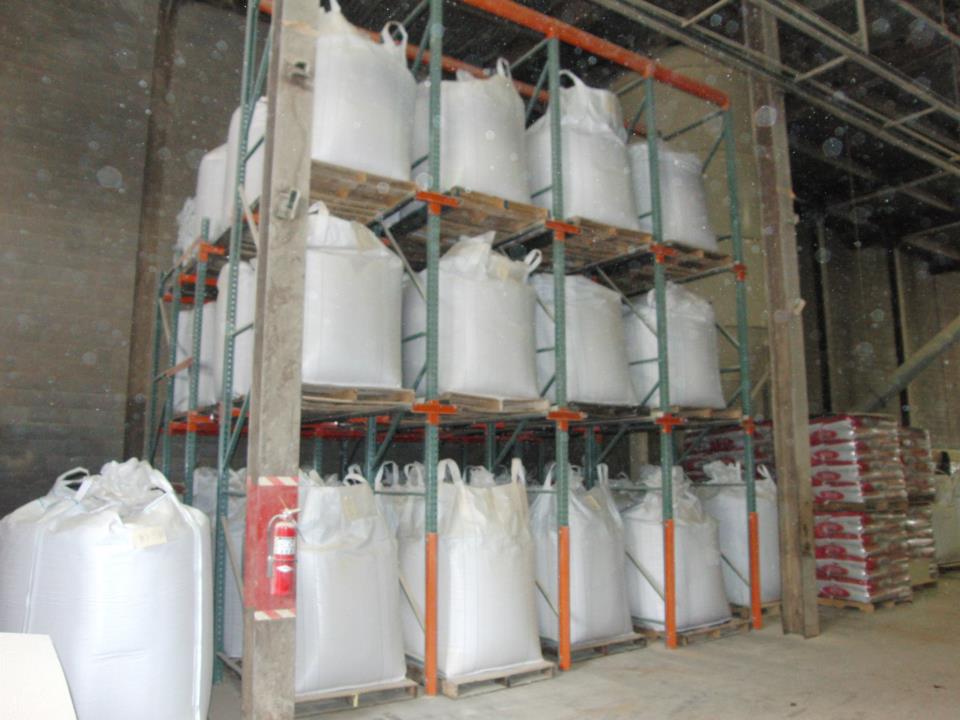
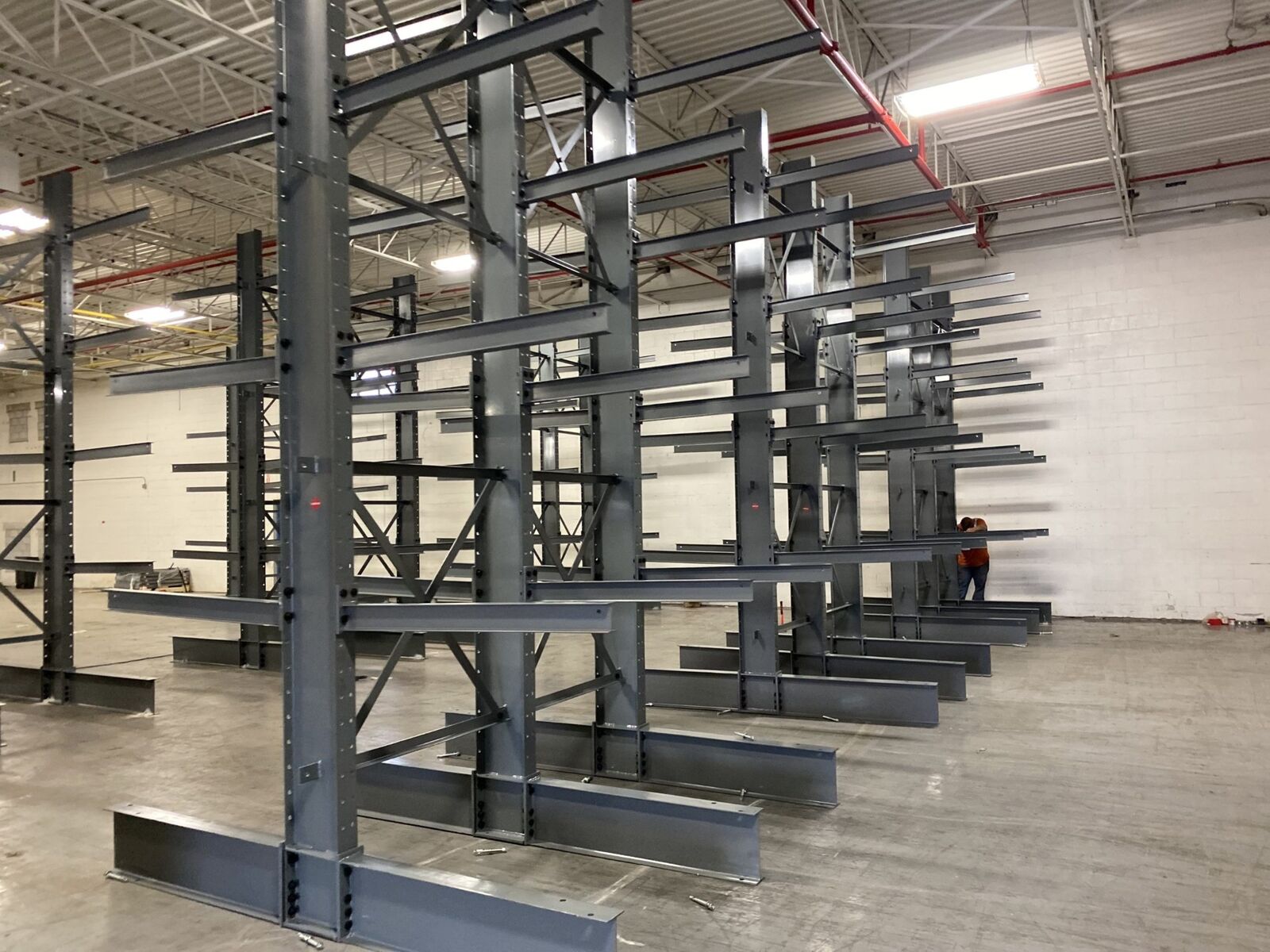
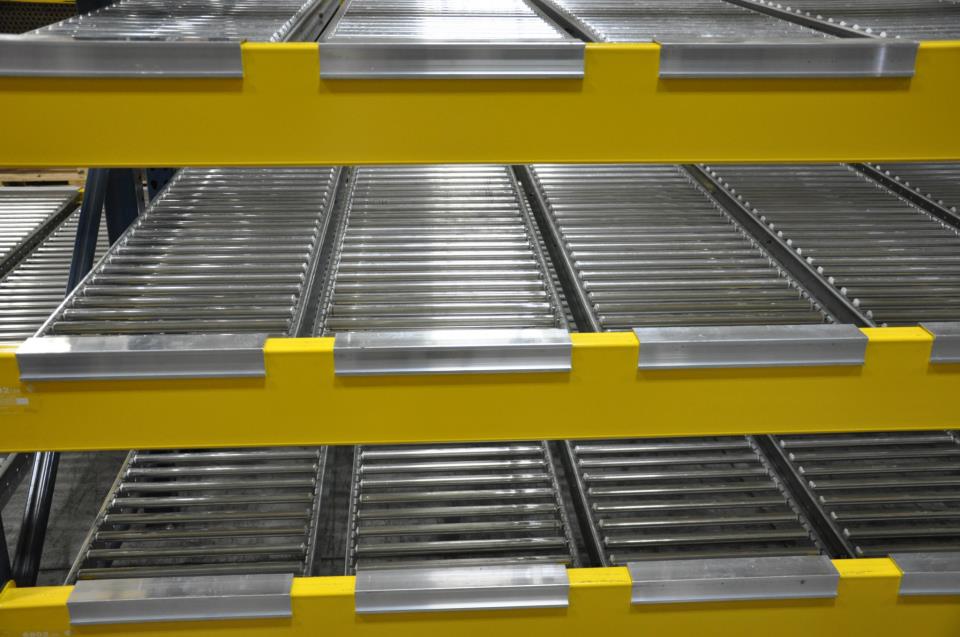
Build the specification from your load samples
Provide pallet underside photographs, loaded weight limits and batch quantities, plus the routes between receiving, stores and production. Identify any supplier pallet changes so the proposed lanes are assessed against actual variation rather than one convenient sample.
Philadelphia Pallet Rack
7201 Frankford Ave.
Unit #3151
Philadelphia, PA 19135
(215) 445-1559Monday - Friday: 8:00 AM - 6:00 PM
Lansdale buyer questions
Other Rack Types We Supply in Lansdale
Pallet Rack
Every pallet reachable, every time. The baseline we size everything else against.
View detailsPushback Rack
Two to six pallets deep from one aisle, without giving up much reach.
View detailsDrive-In Rack
Fewer access aisles. Forklifts enter storage lanes built for bulk pallets of the same item.
View detailsCantilever Rack
Arms with nothing in front of them, built for lumber, pipe, and anything a pallet can't hold.
View detailsCarton Flow Rack
Cases advance to the picker instead of the picker hunting for cases.
View detailsWarehouse Relocation
Teardown, label, coordinate transport and reinstall your storage systems around a planned building move.
View detailsNearby Areas We Also Serve
Lansdale production supply requires its own pallet review even when another regional building handles similar dated inputs.
Where We Work
Located in Philadelphia, we serve the entire Greater Philadelphia region with industrial pallet racks and warehouse storage solutions.
Philadelphia Pallet Rack
Address
7201 Frankford Ave.
Unit #3151
Philadelphia, PA 19135
Phone
(215) 445-1559Business Hours
Monday - Friday: 8:00 AM - 6:00 PM
Saturday: Closed
Sunday: Closed
Need Pallet Flow Rack in Lansdale?
Discuss west point production supplies at (215) 445-1559.