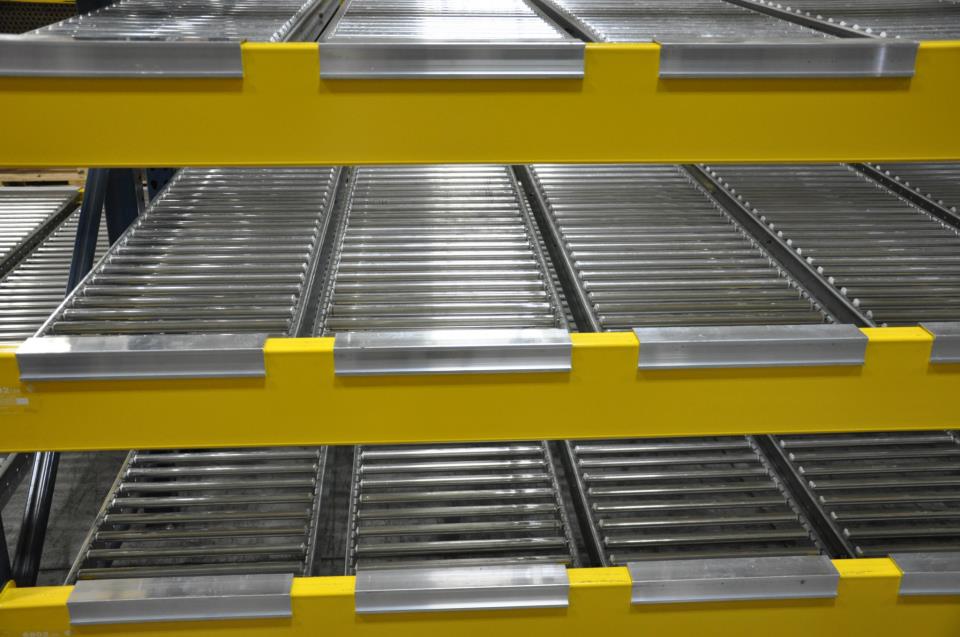
Carton Flow Rack in Conshohocken
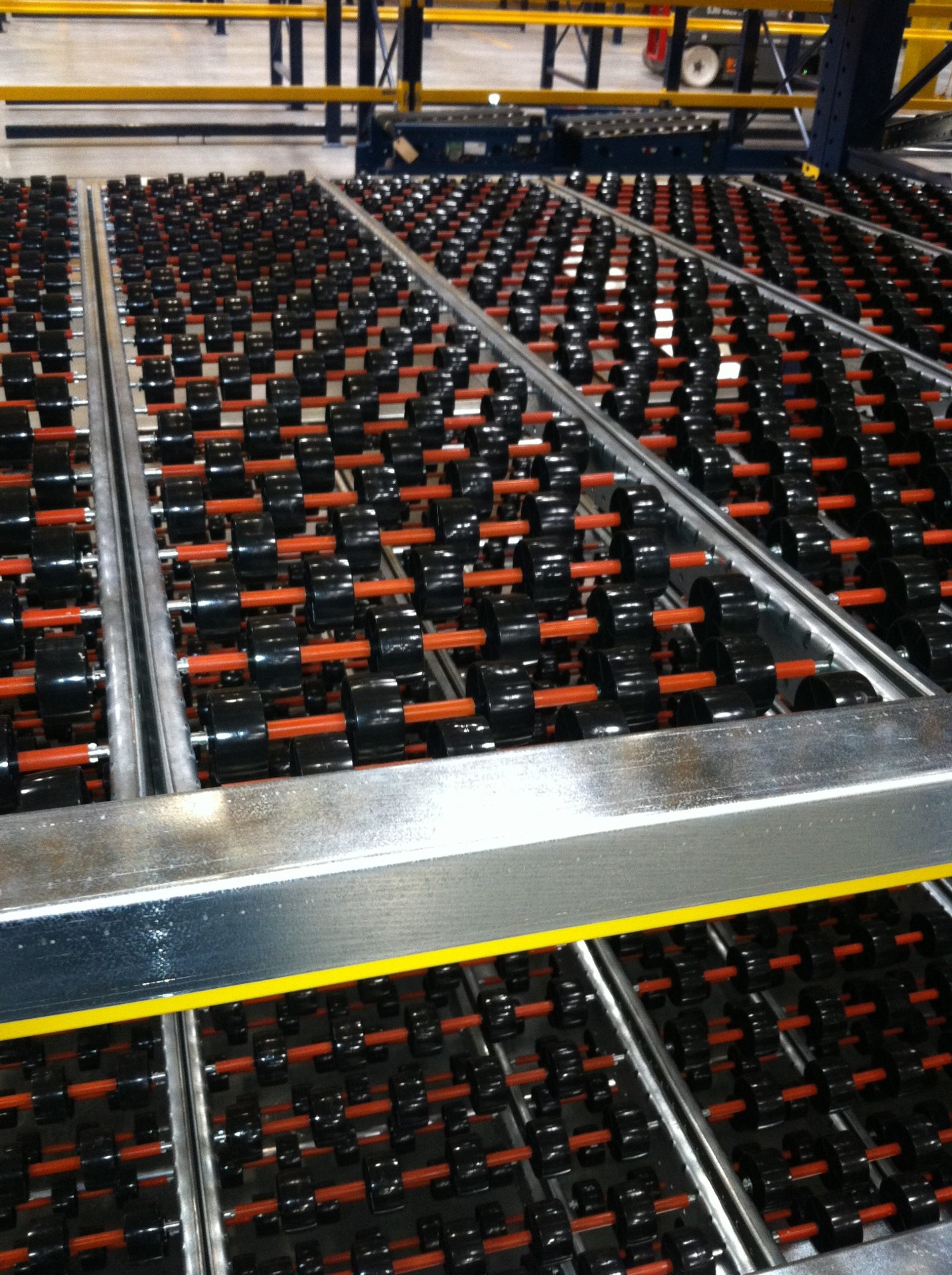
Carton flow rack in Conshohocken places active cases and totes on inclined roller lanes that feed a consistent front picking position. Workers replenish from the rear instead of reaching through the selection face. For a regional parts distributor, that separation can make repeat small orders easier to assemble within a compact building.
Converted mills and older riverfront spaces call for more than a count of available bays. Columns, overhead obstructions, shared access, and packing benches all influence where a picking section belongs. We evaluate how stock enters the room and how completed orders leave before proposing lane depths or additional picking levels.
How Carton Flow Racking Supports a Compact Module
Carton flow racking should bring packages forward predictably while leaving enough room around the module for the work that feeds and follows each pick.
Locate the useful picking zone
Map worker positions and nearby packing surfaces before assigning elevations. Frequently selected cases belong where they can be reached comfortably, while the available height must account for cartons and the action needed to remove their contents.
Configure roller contact and slope
The container's underside, weight, and stiffness influence roller selection and inclination. Use representative cases and totes to review travel rather than assuming that packages with matching dimensions will behave alike.
Adjust lanes to the SKU mix
Widths and dividers establish separate channels without wasting frontage on unnecessary gaps. Multiple lanes may serve a busy item, but excess depth for slow stock can consume space that another active SKU needs.
Review the bay and replenishment side
An existing pallet rack bay may be a retrofit candidate after structural condition, dimensions, loading, and compatible components are checked. Within a pick module, preserve rear access so FIFO loading does not require entering the selector's working face.
Carton Flow Rack Planning Beyond the Lane
Send measurements of the proposed room, including columns and the narrowest access points. We relate the picking area to the broader options at Conshohocken warehouse layout guidance, then identify where reserve stock and empty containers can remain outside the active work path.
Use case and tote lane equipment to review the equipment concept before comparing layouts. Our discussion covers lane allocation, front selection, rear replenishment, and the movement toward packing. Picking speed depends on these connections as much as on the rollers themselves.
Where pallet reserves need stock rotation, evaluate Conshohocken rotating pallet reserves independently of the hand-picking section. Where the reserve strategy allows reverse retrieval order, consider Conshohocken compact pallet storage. Either choice still needs a practical transfer point for cases replenishing the smaller lanes.
Making Case Flow Rack Work Within Odd Footprints
The longest rack row is not always the most useful one. A shorter picking section with workable rear access may serve orders better than a deeper arrangement pressed against a wall. We compare access, item frequency, and worker reach rather than treating every open area as storage space.
We operate as a division of Warehouse Equipment & Supplies Co., supplying and installing since 1997. Carton flow rack proposals begin with the handling problem: which packages need a forward pick face, how they travel, and where replenishment can occur without interrupting selection.
Pick Faces Along the Schuylkill Corridor
Schuylkill riverfront buildings may offer an irregular footprint rather than a clean rectangular warehouse. For distribution traffic connected to I-76 and I-476, the receiving schedule also affects when replenishment cases enter that footprint. Defined rear loading routes help keep those arrivals from spilling into the paths used for small-order picking and packing.
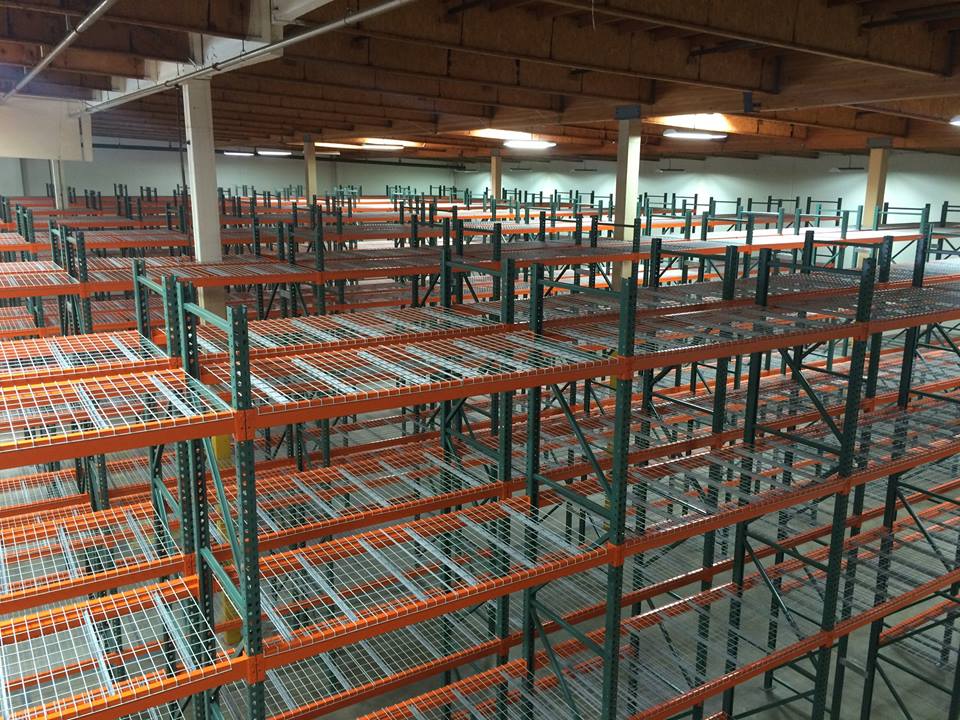
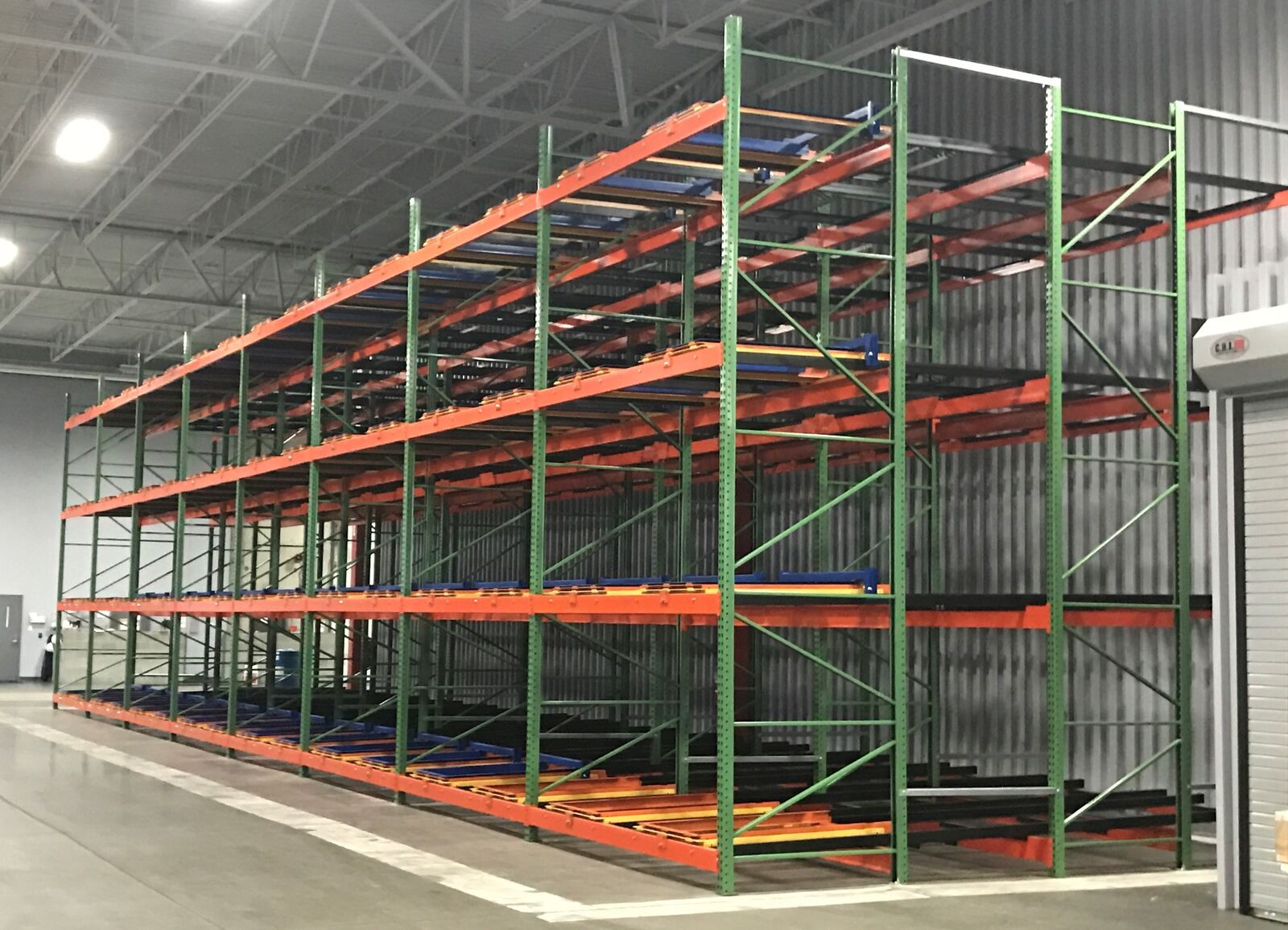
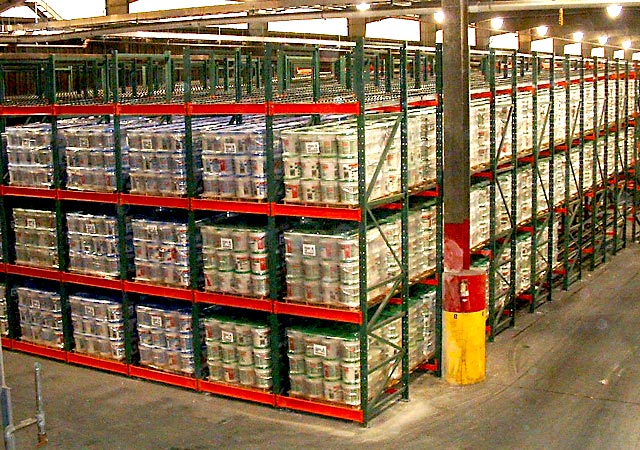
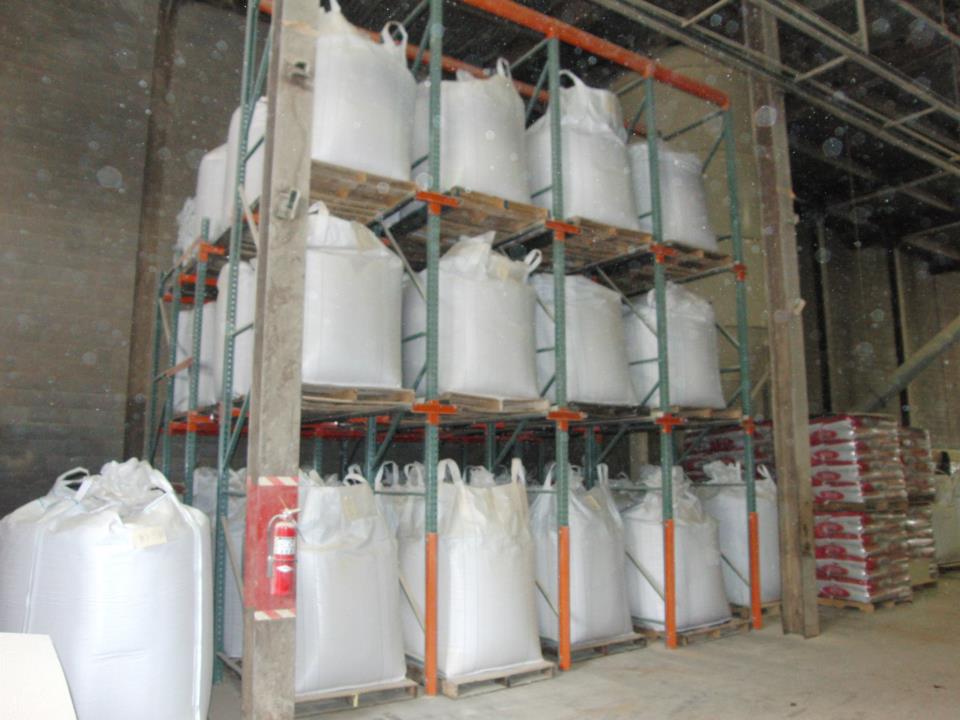
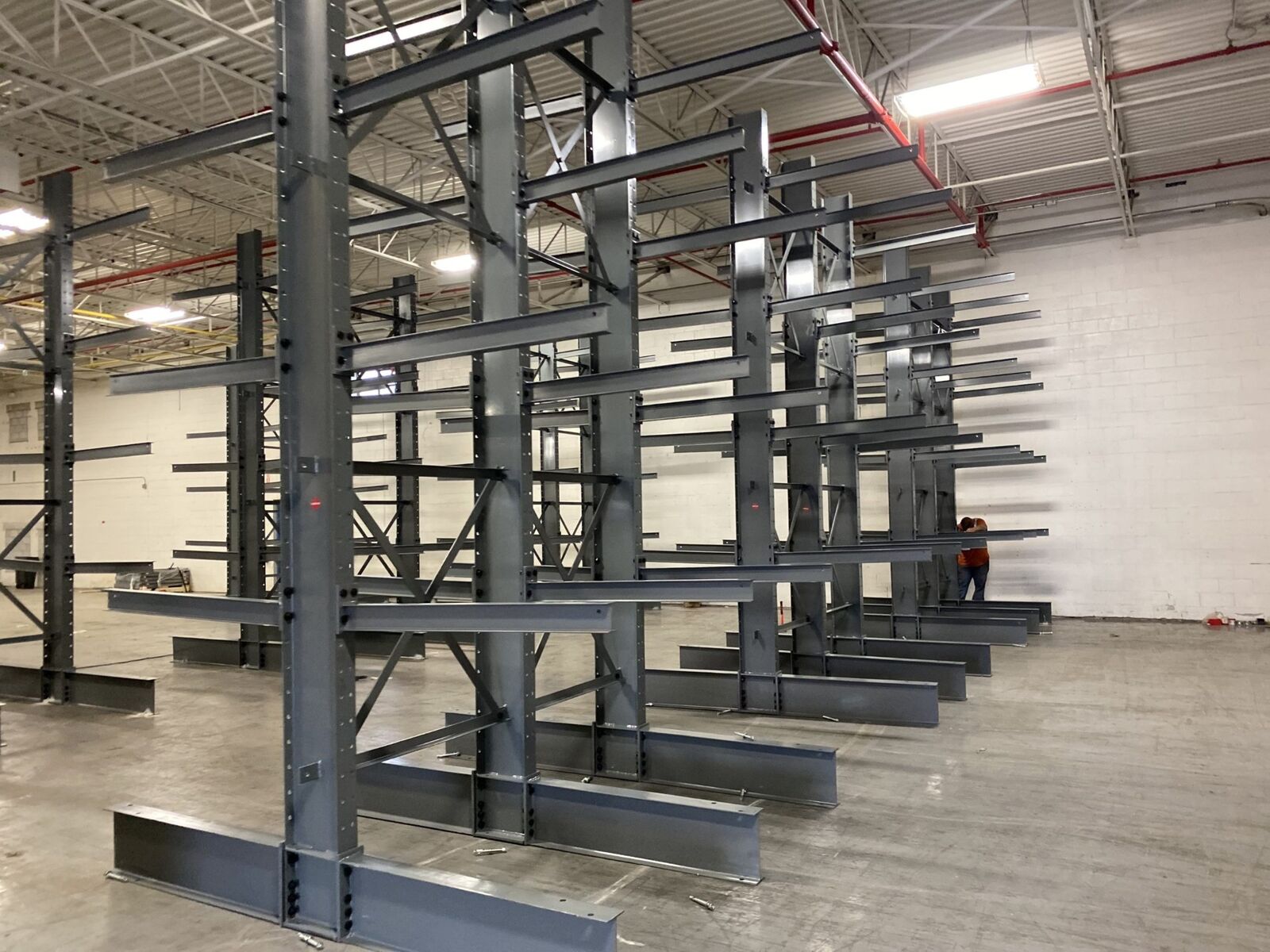
Warehouse Racking Examples
Start With the Space Between Tasks
Show where receipts enter, where selectors work, and where packed orders wait. Package measurements then let us compare arrangements within that actual working footprint.
Philadelphia Pallet Rack
7201 Frankford Ave.
Unit #3151
Philadelphia, PA 19135
(215) 445-1559Monday - Friday: 8:00 AM - 6:00 PM
Conshohocken Layout Decisions
Other Rack Types We Supply in Conshohocken
Pallet Rack
Every pallet reachable, every time. The baseline we size everything else against.
View detailsPushback Rack
Two to six pallets deep from one aisle, without giving up much reach.
View detailsPallet Flow Rack
Load one side, pick the other, and let gravity enforce first in, first out.
View detailsDrive-In Rack
Fewer access aisles. Forklifts enter storage lanes built for bulk pallets of the same item.
View detailsCantilever Rack
Arms with nothing in front of them, built for lumber, pipe, and anything a pallet can't hold.
View detailsWarehouse Relocation
Teardown, label, coordinate transport and reinstall your storage systems around a planned building move.
View detailsNearby Areas We Also Serve
We consider Montgomery County distribution needs alongside the constrained riverfront layouts found around Conshohocken.
Where We Work
Located in Philadelphia, we serve the entire Greater Philadelphia region with industrial pallet racks and warehouse storage solutions.
Philadelphia Pallet Rack
Address
7201 Frankford Ave.
Unit #3151
Philadelphia, PA 19135
Phone
(215) 445-1559Business Hours
Monday - Friday: 8:00 AM - 6:00 PM
Saturday: Closed
Sunday: Closed
Need Carton Flow Rack in Conshohocken?
Call (215) 445-1559 with your room dimensions and picking list to begin a focused layout discussion.