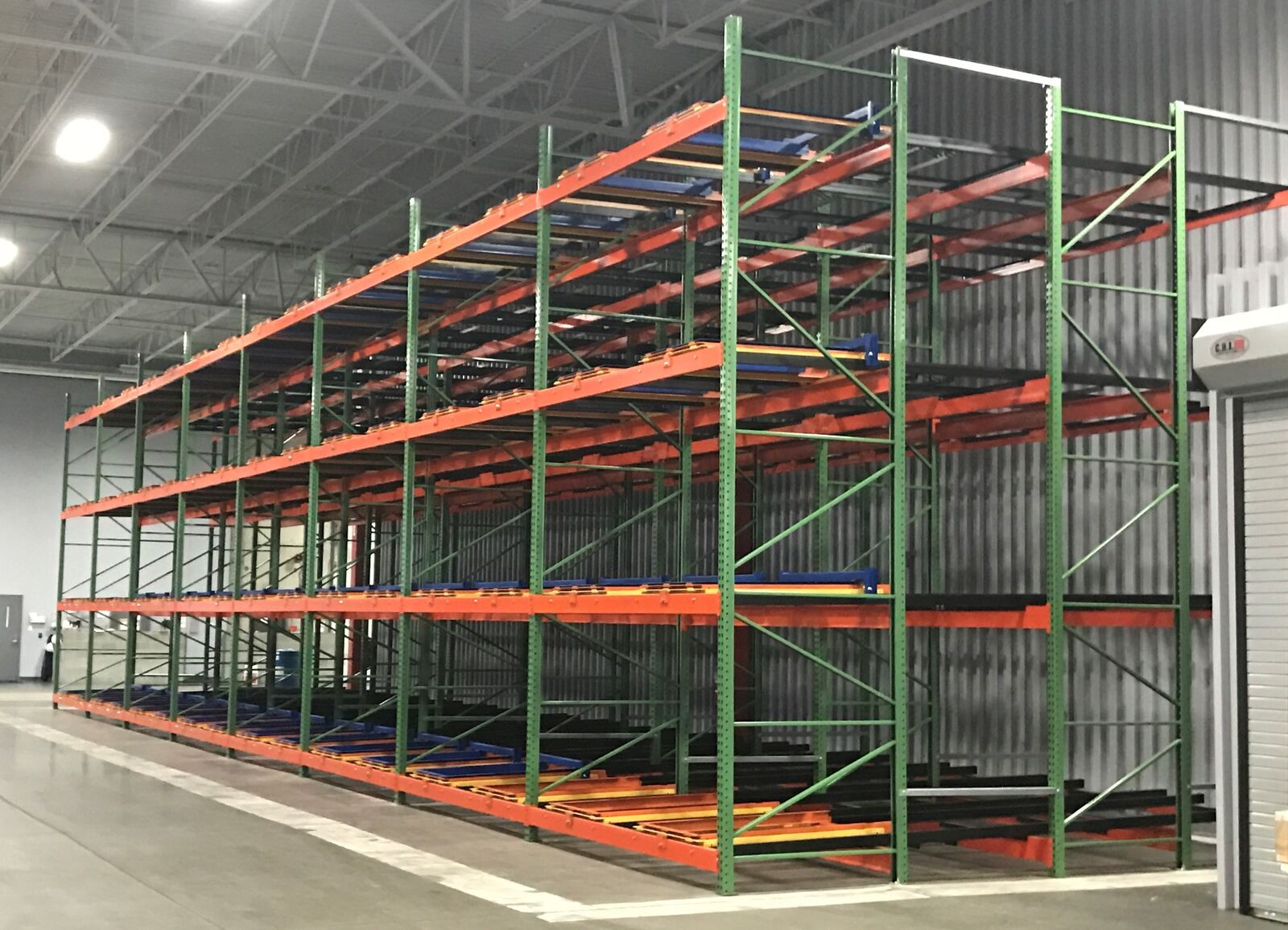
Pushback Rack in Conshohocken
Pushback rack in Conshohocken places repeated pallets behind a single aisle face, an option worth comparing in converted mill space. Lanes are generally two to six pallets deep, but ordinary pallets per SKU should set the depth. Extending a lane does not create useful capacity if the business rarely fills it.
Light manufacturing and building-trade supply operations near the Schuylkill may share older buildings with irregular columns and changing clear heights. Push back racking can consolidate compatible reserve while selective bays retain access to individual products. I-76 and I-476 shipments still need staging room, even when the storage footprint becomes more compact.
How pushback rack changes reserve access
Compare cart movement with the actual forklift approach.
Assign depth by repeat demand
Record ordinary stock for each SKU and compare the quantities remaining before replenishment. Shorter lanes may fit variable trade assortments, while consistent component reserve can justify additional depth if withdrawal order allows it.
Load the nested cart assembly
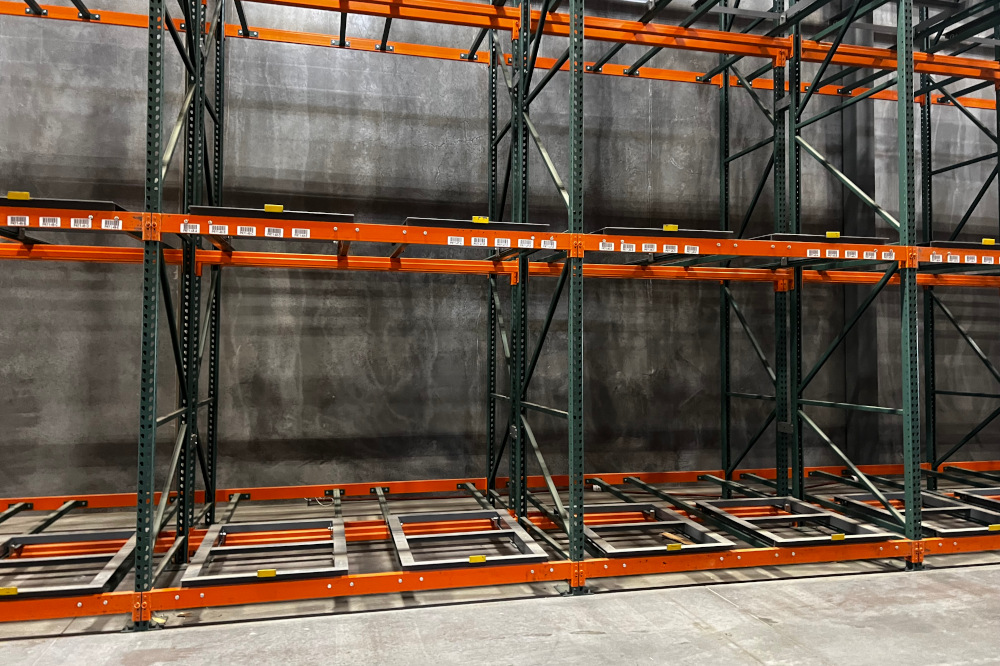
Nested carts roll on inclined rails, supporting pallets as a new load pushes prior pallets rearward. The truck stays at the face, but still needs sufficient approach space to position each load squarely on its intended supports.
Manage gravity at withdrawal
During operator-controlled withdrawal, the front pallet is removed while gravity advances the following carts. LIFO means last in, first out; staff cannot directly retrieve an older pallet held behind newer stock in the same lane.
Evaluate alternative access patterns
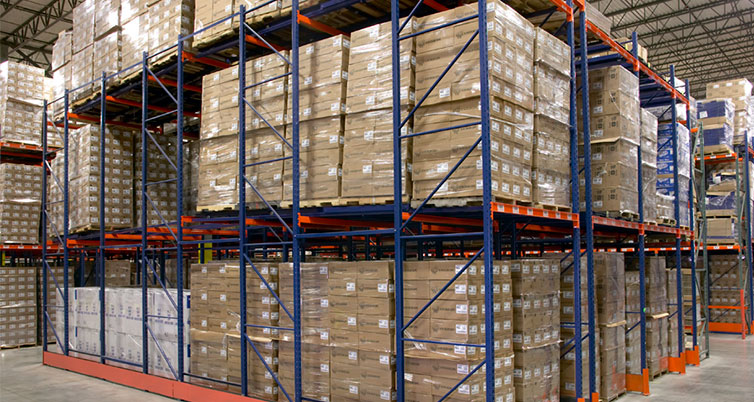
Pushback pallet rack generally needs fewer aisles than selective rack, which provides direct pallet access. Drive-in requires the forklift to enter the lane on the floor, not on rails, whereas carts move the reserve toward an outside working aisle.
Why pushback rack needs a measured footprint
Our business is a division of Warehouse Equipment & Supplies Co.; the project conversation connects new rack supply with layout and installation planning. In converted space, we ask for dimensions by building zone rather than relying on one ceiling-height figure or a simple overall floor area.
We have been supplying and installing pallet storage since 1997, with inventory and handling requirements guiding the proposed arrangement. For Conshohocken projects, column positions, shared approaches and reserve replenishment belong on the same drawing. That helps distinguish genuinely usable pallet positions from locations a forklift cannot conveniently serve.
Trade replenishment within converted buildings
Ridge Pike can feed smaller trade deliveries while I-476 brings larger replenishment loads. A building-supply operation may therefore need accessible mixed-product bays beside deeper repeat stock. Along the Schuylkill, converted mills require an individual survey of columns and overhead obstructions; the building type alone does not establish available rack height.
Pushback rack installation in constrained spaces
Visit Conshohocken warehouse storage for the wider building-storage brief and Pushback rack systems for the cart-system overview. Examine Pallet flow alternatives for stock needing a forward rotation sequence. Compare Drive-in storage comparison where uniform batches might support deeper storage and internal forklift travel without conflicting with the building arrangement.
Beam and frame sizing for pushback rack follows load weights, beam spans and level spacing rather than a standard mill-building package. An existing rack compatibility review considers identifiable components and the proposed cart configuration before any addition; dimensional resemblance does not establish suitability.
Within Conshohocken buildings, experienced installation crews we schedule and manage follow a staging plan suited to the available approach. The quotation identifies new materials and assembly scope, while the drawing preserves the agreed working aisles and shows where the installation area separates from ongoing stock handling.
Warehouse Racking Examples
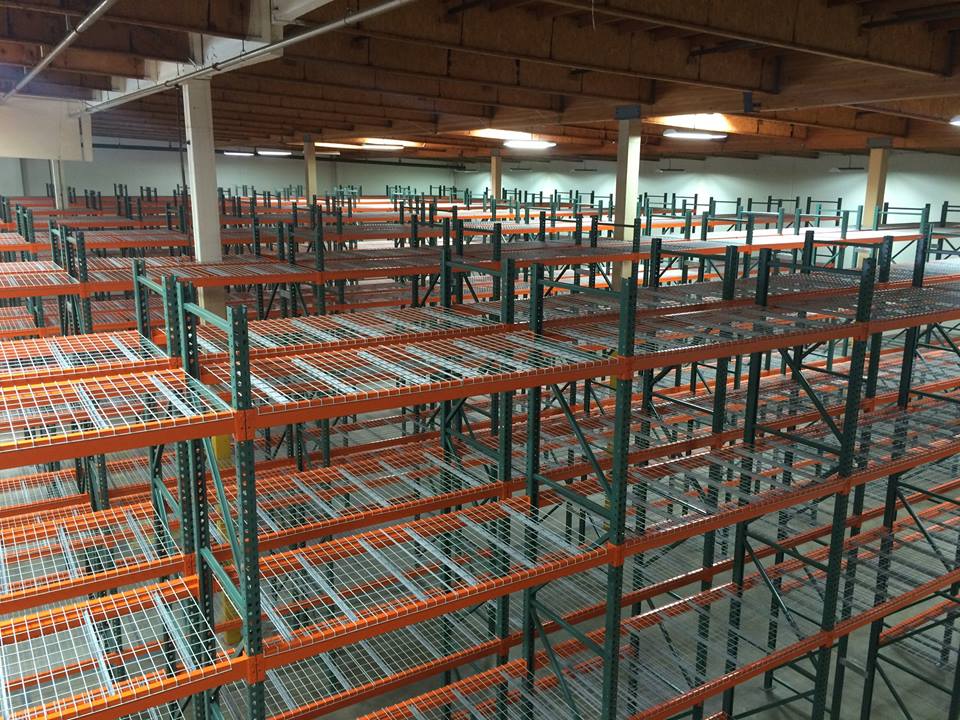
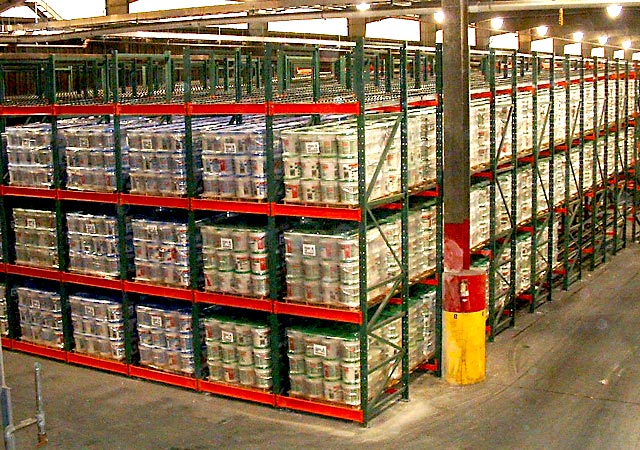
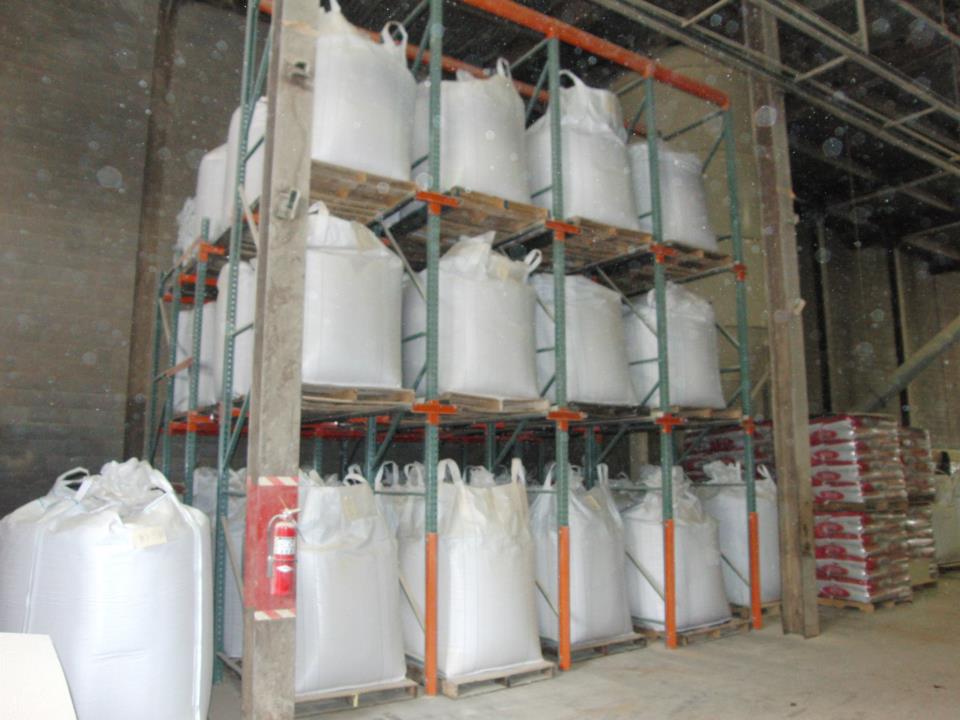
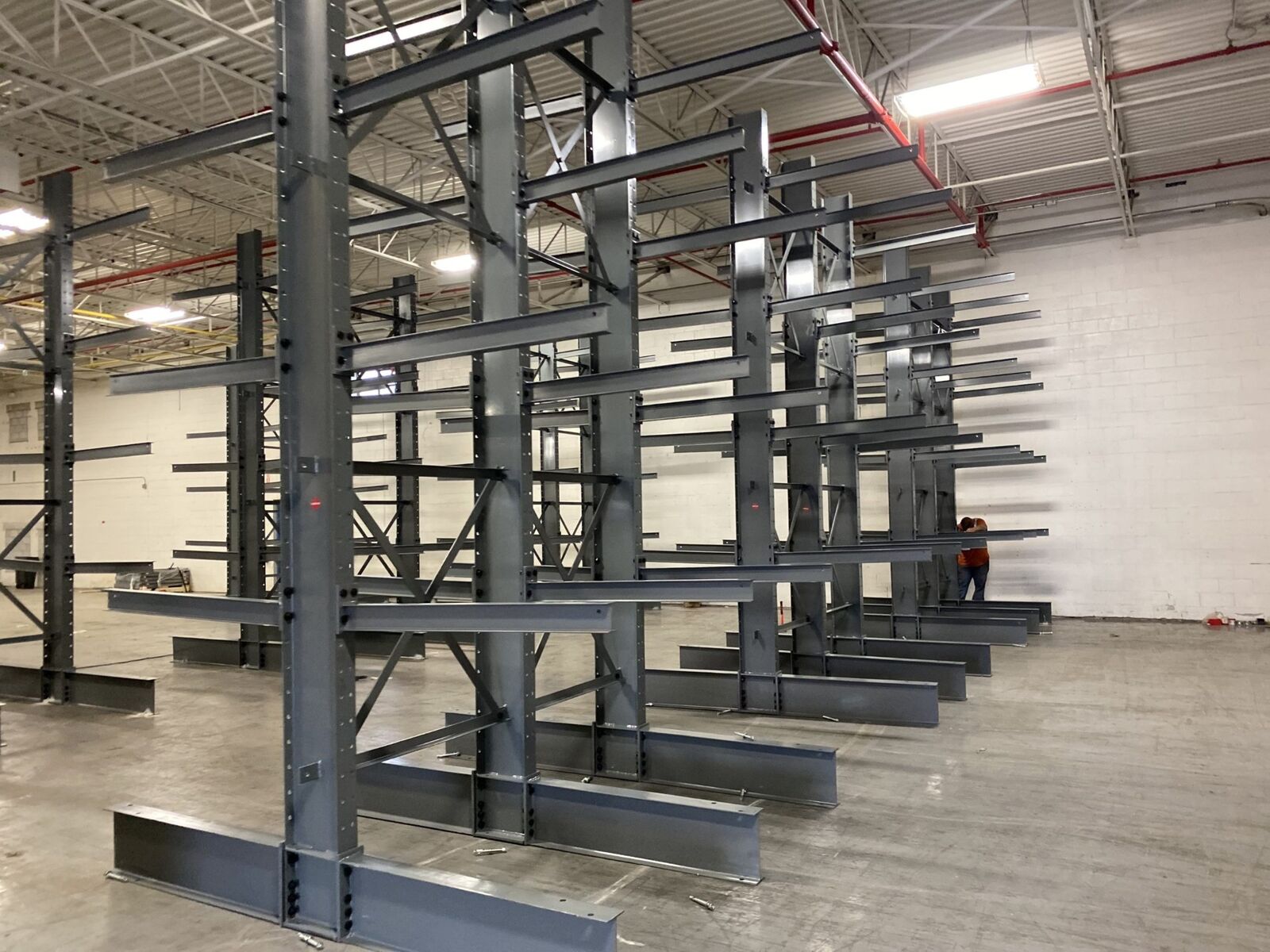
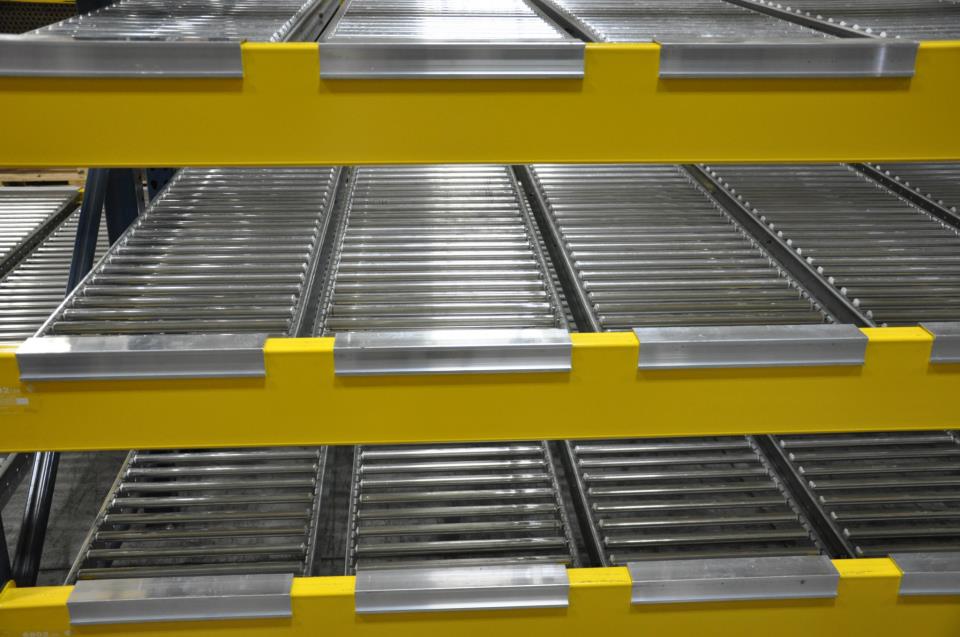
Compare capacity by building zone
Send a column plan, clear heights and repeated pallet quantities for review.
Philadelphia Pallet Rack
7201 Frankford Ave.
Unit #3151
Philadelphia, PA 19135
(215) 445-1559Monday - Friday: 8:00 AM - 6:00 PM
Converted-space operating questions
Other Rack Types We Supply in Conshohocken
Pallet Rack
Every pallet reachable, every time. The baseline we size everything else against.
View detailsPallet Flow Rack
Load one side, pick the other, and let gravity enforce first in, first out.
View detailsDrive-In Rack
Fewer access aisles. Forklifts enter storage lanes built for bulk pallets of the same item.
View detailsCantilever Rack
Arms with nothing in front of them, built for lumber, pipe, and anything a pallet can't hold.
View detailsCarton Flow Rack
Cases advance to the picker instead of the picker hunting for cases.
View detailsWarehouse Relocation
Teardown, label, coordinate transport and reinstall your storage systems around a planned building move.
View detailsNearby Areas We Also Serve
Surrounding properties require their own access plan even when they share the same highway connections.
Where We Work
Located in Philadelphia, we serve the entire Greater Philadelphia region with industrial pallet racks and warehouse storage solutions.
Philadelphia Pallet Rack
Address
7201 Frankford Ave.
Unit #3151
Philadelphia, PA 19135
Phone
(215) 445-1559Business Hours
Monday - Friday: 8:00 AM - 6:00 PM
Saturday: Closed
Sunday: Closed
Need Pushback Rack in Conshohocken?
Ask which reserve groups justify depth without sacrificing individual access.