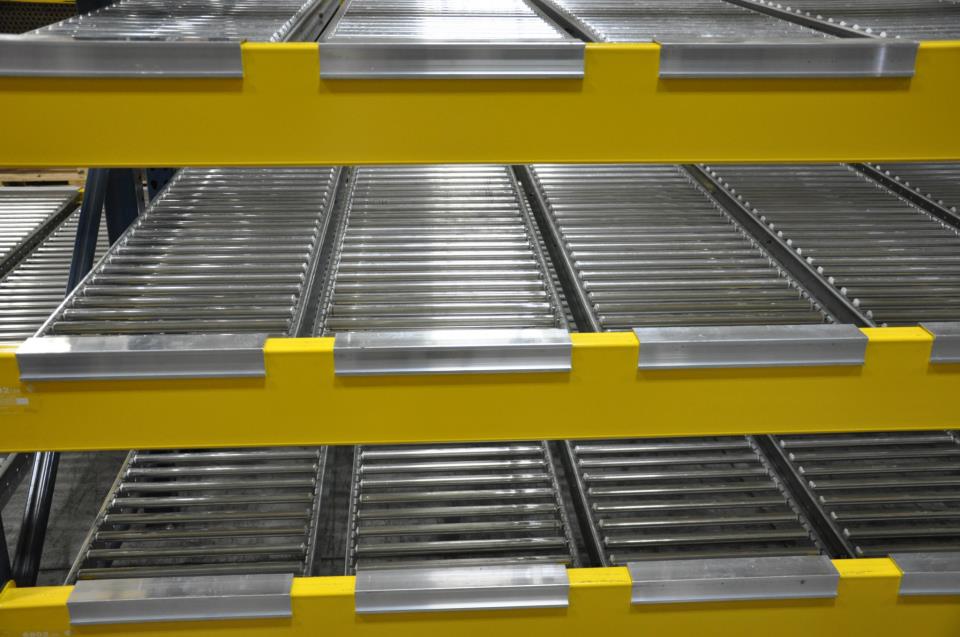
Carton Flow Rack in Media
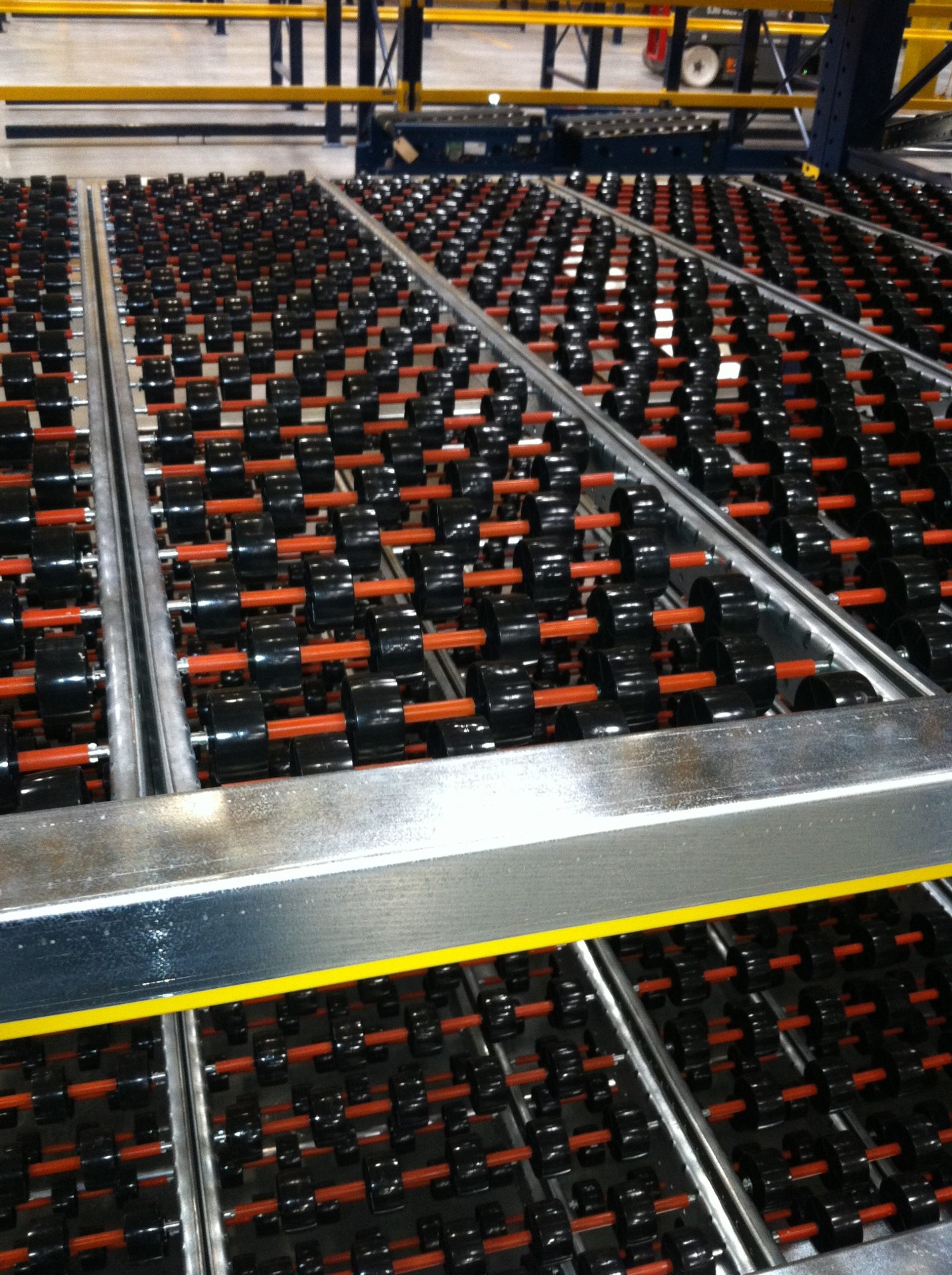
Carton flow rack in Media can organize repeat case picking within a building that also serves as a shop, service base, or dispatch area. Inclined roller lanes carry cases and totes toward the selection face, with stock added from behind. The arrangement gives each active item a visible address rather than letting replenishment boxes spread across available work surfaces.
Space savings alone do not establish whether carton flow racking belongs in a small facility. Rear loading still needs access, and employees must be able to withdraw cases without stepping into another task. The right comparison is between complete working layouts, including carts and replenishment, rather than between rack footprints in isolation.
Why Carton Flow Rack Must Fit the Whole Room
We begin with the activities surrounding storage: assembling orders, checking deliveries, preparing service materials, or packing outbound supplies. A narrow picking face may look attractive on paper yet create a queue if it faces a busy bench. Locating the lanes should resolve those interactions rather than force employees to improvise around them.
You work with a division of Warehouse Equipment & Supplies Co., supplying and installing since 1997. Our equipment review connects package handling to practical access. For a smaller operation, a limited group of well-chosen lanes may be more useful than placing every SKU into the same storage method.
Media Storage Within Delaware County Workspaces
Media trade distributors along Baltimore Pike and US 1 may need picking to coexist with a showroom or service counter. Connections through I-476 and Upper Providence influence where inbound supplies enter, but the internal transfer route still needs its own space. Define receiving checks, active service-parts picking, and outbound packing before allocating roller lanes within a shared-use building.
How Carton Flow Racking Is Evaluated for Smaller Facilities
Measure the operating space on both sides of the rack, then verify the packages that will travel through it.
Select the repeat-pick assortment
Identify items selected frequently enough to benefit from consistent front presentation. Compare case consumption with replenishment effort before choosing lane depth. Slow-moving or unusually shaped products may remain better suited to another location instead of consuming the limited picking frontage.
Measure usable container contact
Record case dimensions and loaded weight, then inspect the bottom surface. Totes with narrow runners need support placed beneath those runners. Include partly emptied containers in the review because their travel behavior may differ from the full incoming load.
Set lane width and presentation
Dividers should guide containers without squeezing their sides or permitting excessive sideways movement. Check hand clearance, front retainers, and label visibility together. Picking height should suit the weight and frequency of handling rather than simply maximize the number of levels.
Check rack reuse and traffic
Existing pallet bays may accept a retrofit only after their structure, connections, and intended loading are reviewed. For a small pick module, mark the rear replenishment route and front cart position explicitly. Neither should rely on borrowing an occupied packing area.
A Practical Scope for Carton Flow Rack in Mixed-Use Space
Use Media and Delaware County planning to review the local service context and Gravity case-picking overview to explore the case-presentation approach. Send a measured room sketch showing doors, benches, existing bays, and the location where deliveries are checked. Include container photographs so the equipment discussion starts with actual handling conditions.
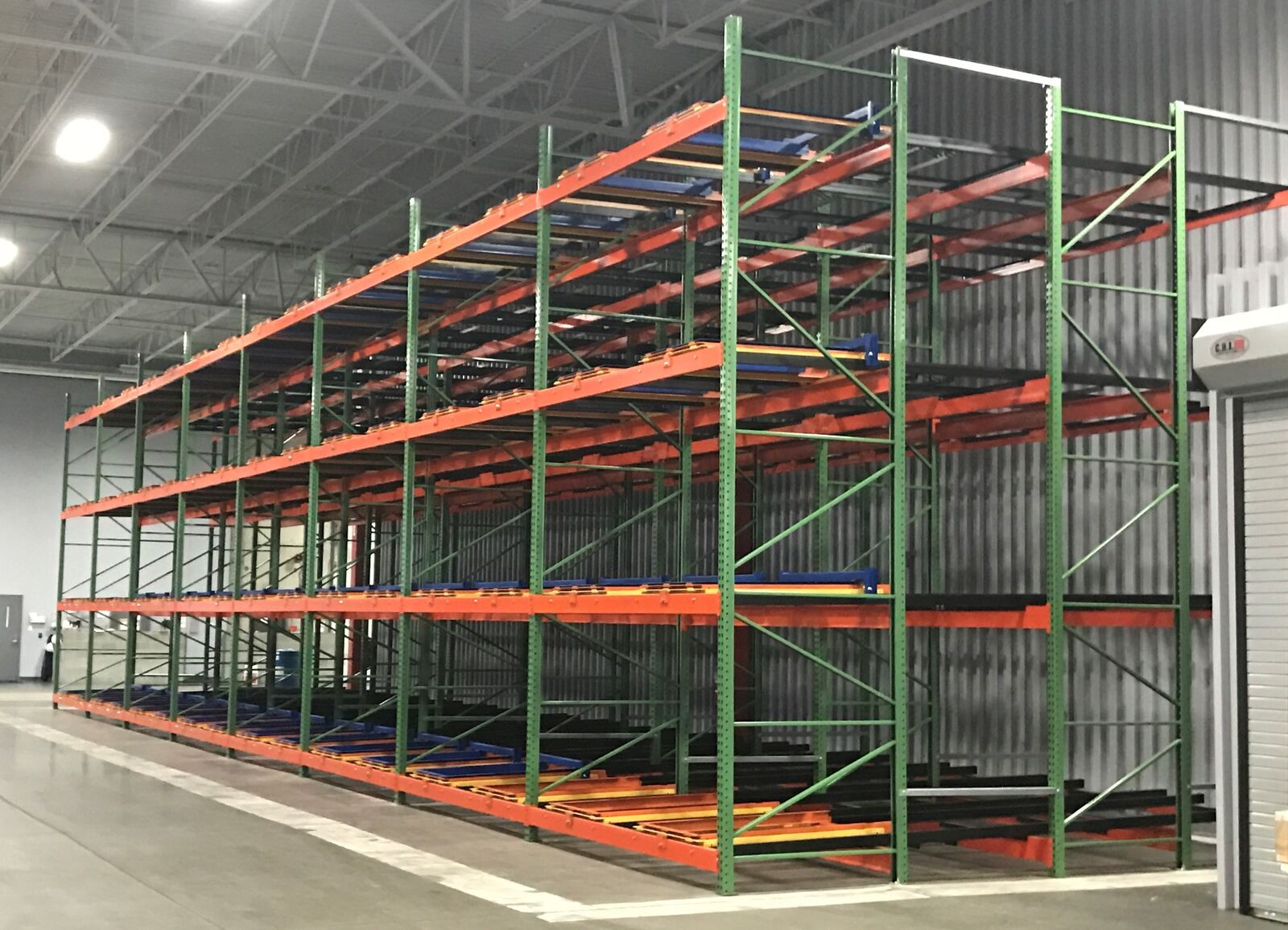
If the building also holds pallet reserves, compare Forward-moving pallet reserves for gravity-fed pallet withdrawal and Alternative bulk-storage layouts where last-in, first-out storage fits the inventory. Those systems address bulk storage; the case lanes still need their own replenishment plan and room for staff to transfer material.
Where installation is included, experienced installation crews we schedule and manage work to the agreed sequence and access plan. Review representative package movement before placing the full assortment into service. Clear addresses, supported cases, and uninterrupted front access can help picking speed without requiring a warehouse-scale module.
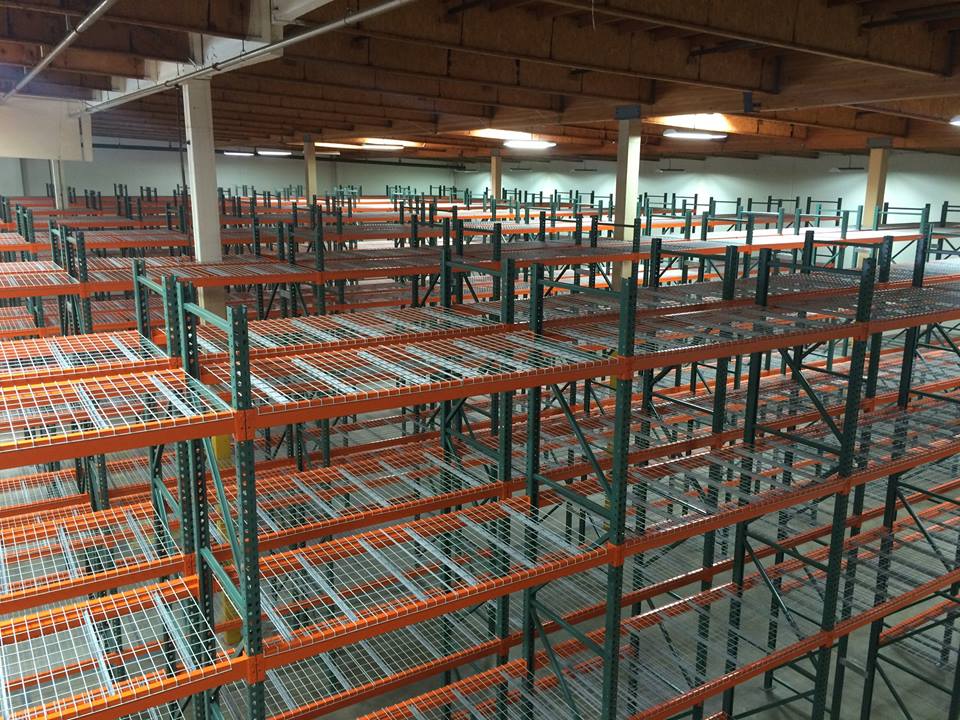
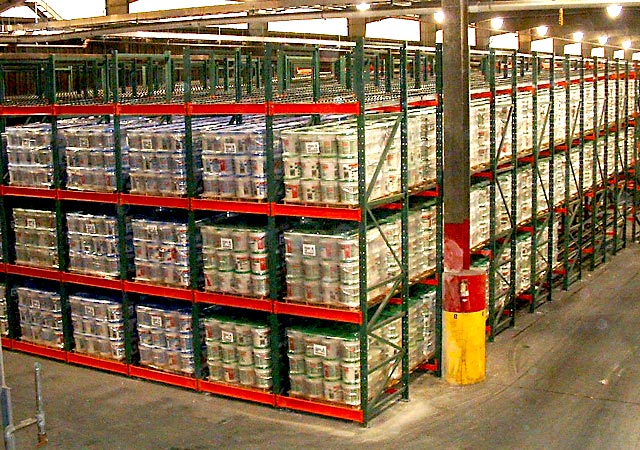
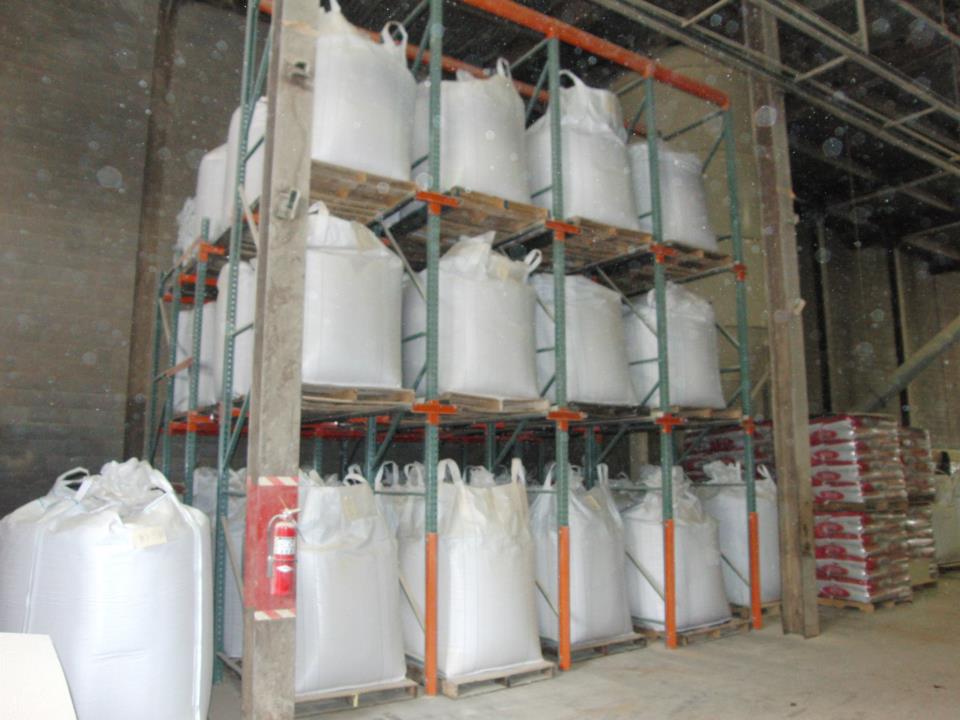
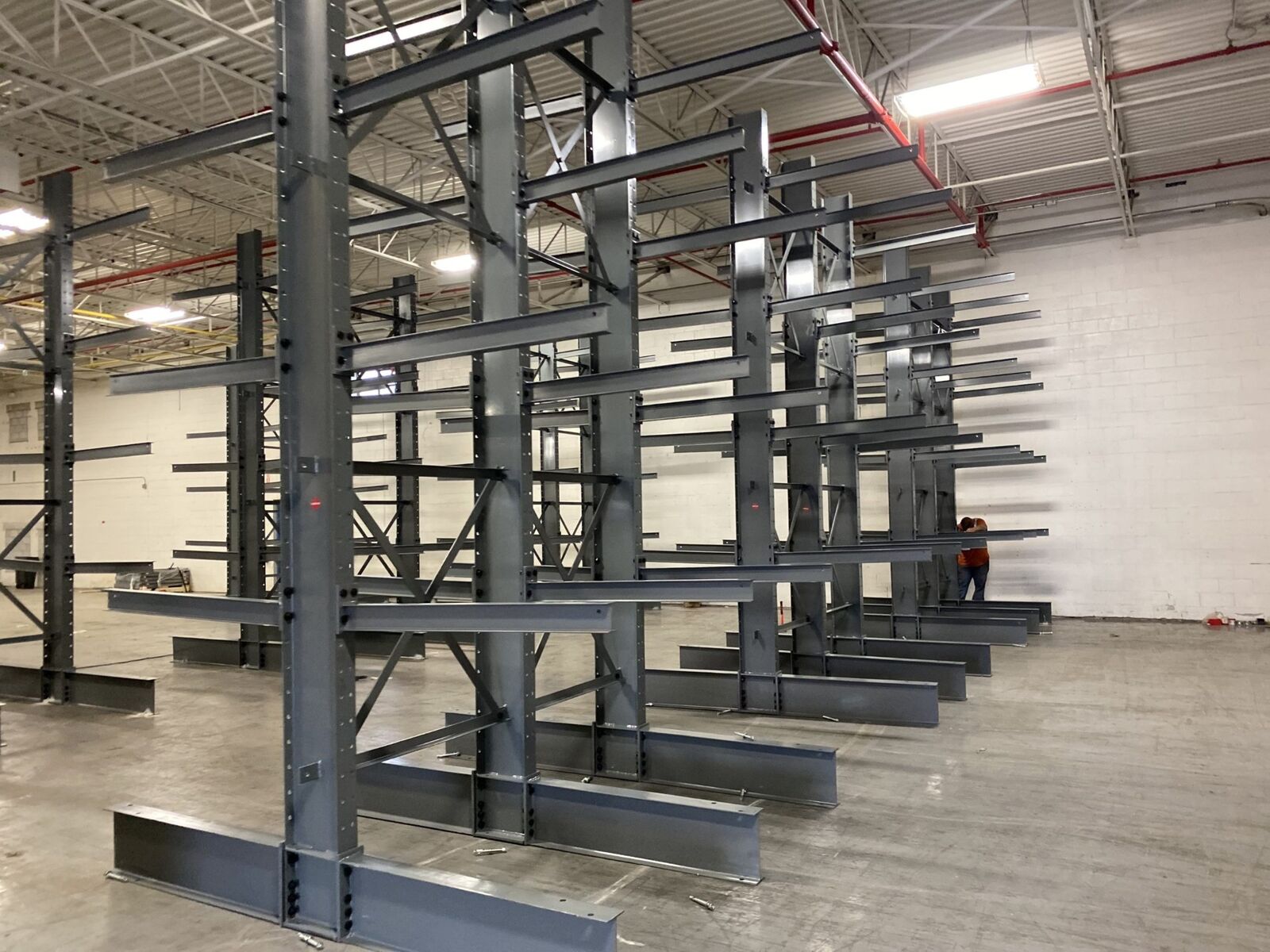
Warehouse Racking Examples
Start With a Measured Room and Real Containers
Share the available depth, both access routes, package weights, and the items employees reach for most often.
Philadelphia Pallet Rack
7201 Frankford Ave.
Unit #3151
Philadelphia, PA 19135
(215) 445-1559Monday - Friday: 8:00 AM - 6:00 PM
Media-Area Questions About Shared Working Space
Other Rack Types We Supply in Media
Pallet Rack
Every pallet reachable, every time. The baseline we size everything else against.
View detailsPushback Rack
Two to six pallets deep from one aisle, without giving up much reach.
View detailsPallet Flow Rack
Load one side, pick the other, and let gravity enforce first in, first out.
View detailsDrive-In Rack
Fewer access aisles. Forklifts enter storage lanes built for bulk pallets of the same item.
View detailsCantilever Rack
Arms with nothing in front of them, built for lumber, pipe, and anything a pallet can't hold.
View detailsWarehouse Relocation
Teardown, label, coordinate transport and reinstall your storage systems around a planned building move.
View detailsNearby Areas We Also Serve
We consider Media and nearby Delaware County facilities where storage must coexist with other daily building uses.
Where We Work
Located in Philadelphia, we serve the entire Greater Philadelphia region with industrial pallet racks and warehouse storage solutions.
Philadelphia Pallet Rack
Address
7201 Frankford Ave.
Unit #3151
Philadelphia, PA 19135
Phone
(215) 445-1559Business Hours
Monday - Friday: 8:00 AM - 6:00 PM
Saturday: Closed
Sunday: Closed
Need Carton Flow Rack in Media?
Talk through carton flow rack options at (215) 445-1559 before allocating your remaining working space.