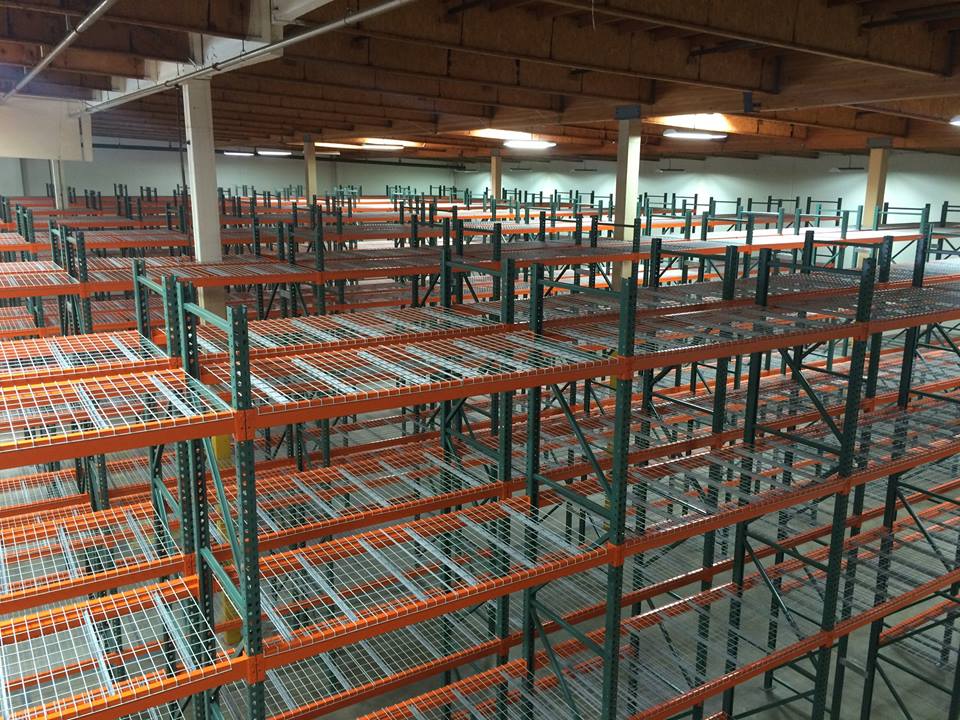
Warehouse Relocation Services in Philadelphia
Warehouse relocation in Philadelphia needs a receiving layout that follows the operation’s actual loads. Refrigerated distribution near the ports and manufacturing in Northeast Philadelphia can require very different storage and transfer arrangements. We review the existing rack, destination dimensions and shipping dependencies before deciding which rows can be dismantled first.
I-95 and I-76 connect major industrial areas, but a route connection does not establish room to unload long frames. The rack relocation scope should show component staging, usable aisles and the stock that must remain accessible while transport coordination and reinstallation proceed.
Warehouse relocation across different Philadelphia footprints
Older Philadelphia industrial buildings can have lower usable heights and tight columns, while a receiving location may offer a different storage footprint. New drawings compare those constraints with pallet sizes, weights and the lift truck in use. Identifiable sound components are considered for reuse; damaged pieces need new replacements instead of a promise to repair them.
A division of Warehouse Equipment & Supplies Co., Philadelphia Pallet Rack is supported by a parent company supplying and installing since 1997. Experienced installation crews we schedule and manage receive the removal sequence and destination plan together. The component schedule keeps compatible beam and frame families traceable after they leave the original building.

Port-linked loads and industrial receiving
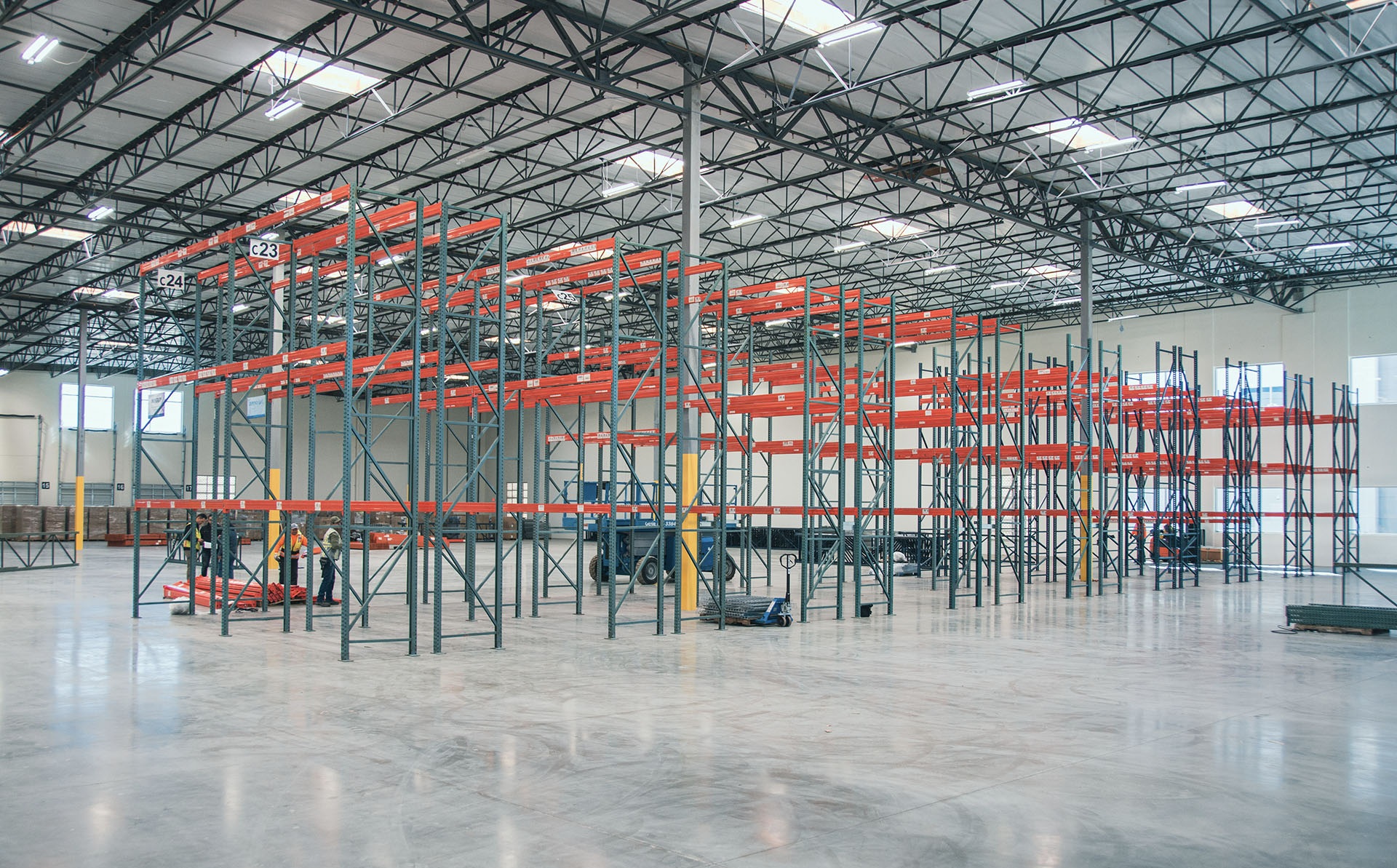
Packer Avenue and Tioga terminals support refrigerated-cargo activity, while the Navy Yard and airport industrial area have their own distribution requirements. For food or produce storage, include temperature needs and stock-rotation priorities in the brief. The receiving design should fit those loads without assuming all Philadelphia warehouse moves involve the same handling pattern.
Warehouse relocation with separate rack and stock handoffs
A destination layout must reflect the receiving operation, not just the original rack quantity.
Identify operating requirements
List active shipping stock, reserve inventory and temperature needs where applicable. The sequence should preserve necessary withdrawals before any rack zone becomes available for removal.
Document material for reuse
Measure frames and beams and photograph connector families. Record damage separately so new replacements can be counted before the accepted bundles leave the building.
Coordinate destination access
Locate component sorting and stock receiving on the new drawing. Confirm unloading responsibilities and load order rather than assuming incoming steel can occupy a working dock.
Reinstall by release phase
Assemble to the receiving layout and planned loads. Complete the agreed storage group before assigning its inventory and progressing to the next old rack area.
Rack relocation from identified steel to usable rows
A pallet rack relocation starts with an installed-system record: measurements, quantities, connection photographs and available load ratings. Mark reusable component families before teardown and separate damage from accepted bundles. New rack additions are specified for verified connection and load requirements. Existing pallet inventory and existing rack steel have different transfer responsibilities, which should be explicit in the agreed scope.
Draw the destination rows around receiving, shipping and assembly space. Phase stock movements so completed storage is available before the matching old section is released. Coordinate labeled loads with transport and unload arrangements, then reinstall suitable components to the revised drawing, anchored to the floor. Cold-storage requirements, where relevant, are part of material selection rather than an assumption based on proximity to a port.
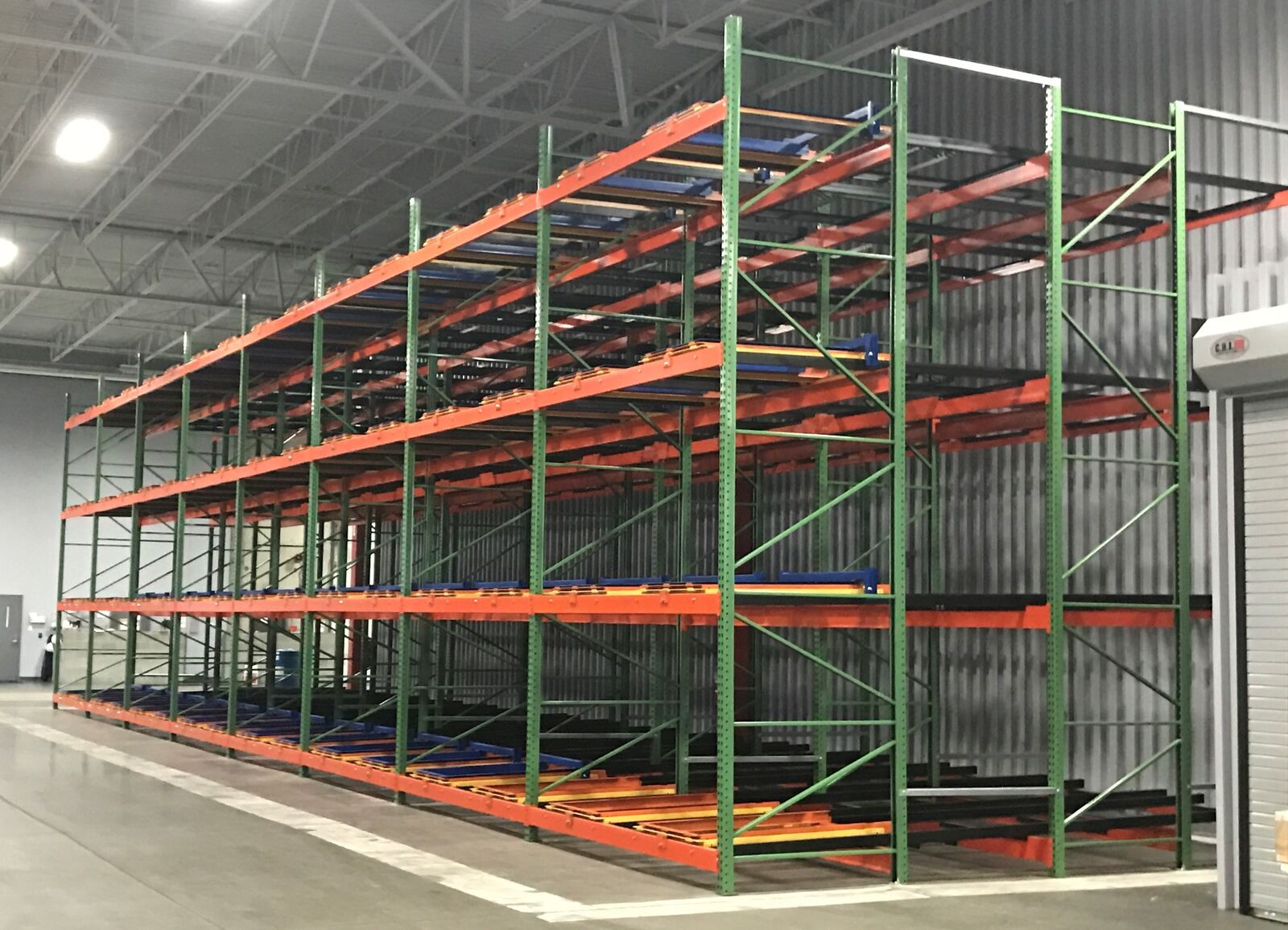
The equipment overview at Philadelphia warehouse storage options and service explanation at warehouse relocation services support that planning conversation. For repeat reserve pallets, compare pushback rack in Philadelphia; where a defined loading-to-picking direction supports rotation, consider pallet flow rack in Philadelphia. Decide on revised storage patterns before relocating the old row spacing into the next building.
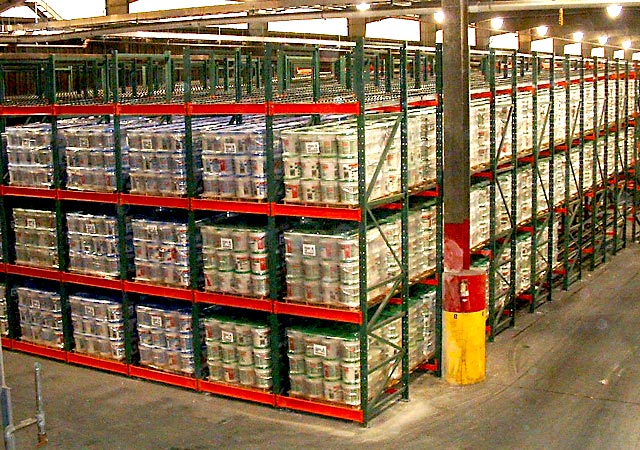
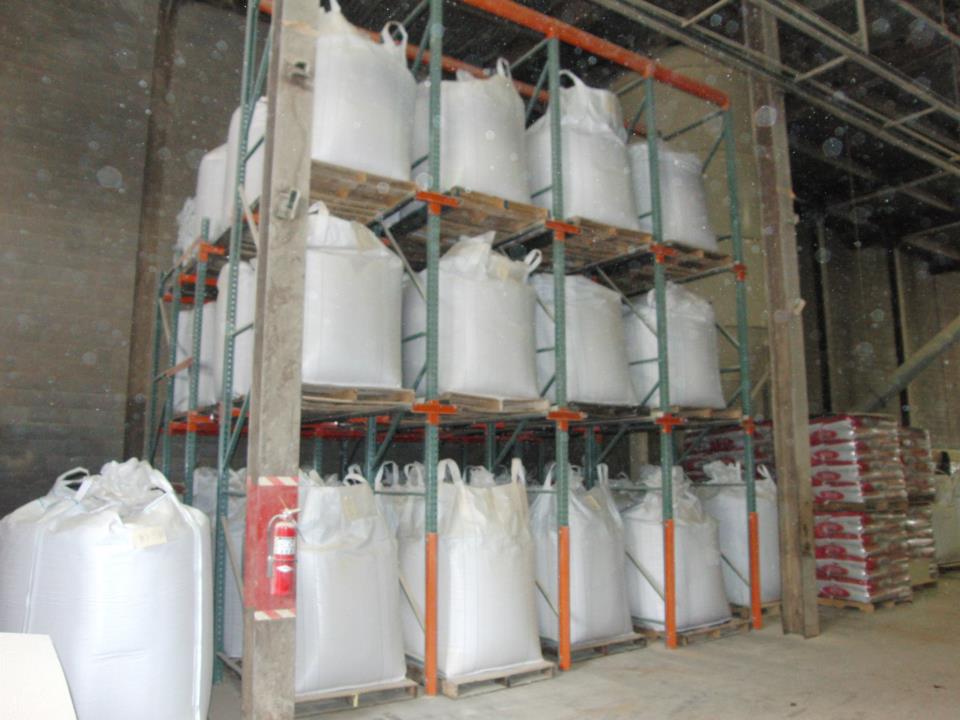
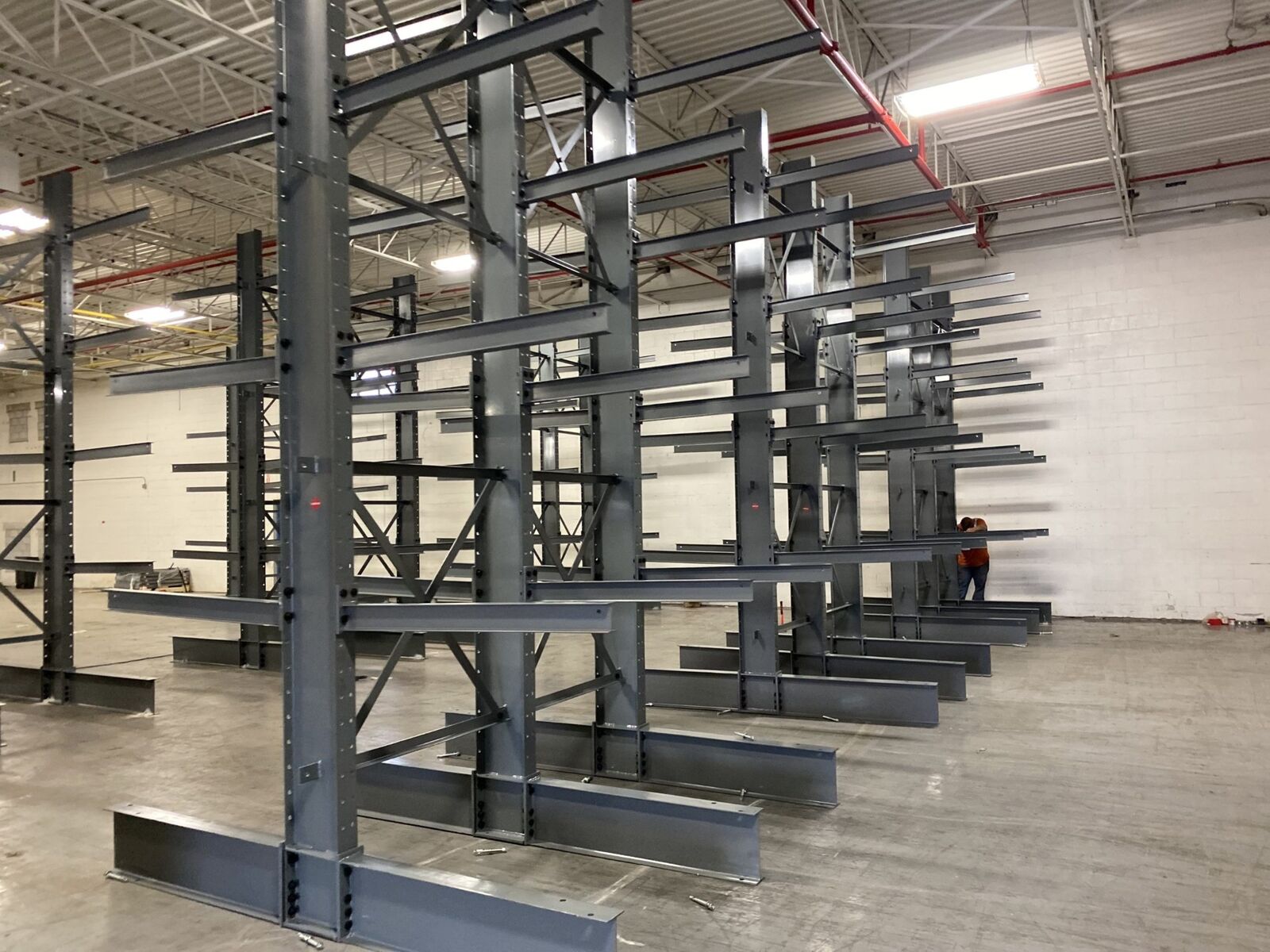
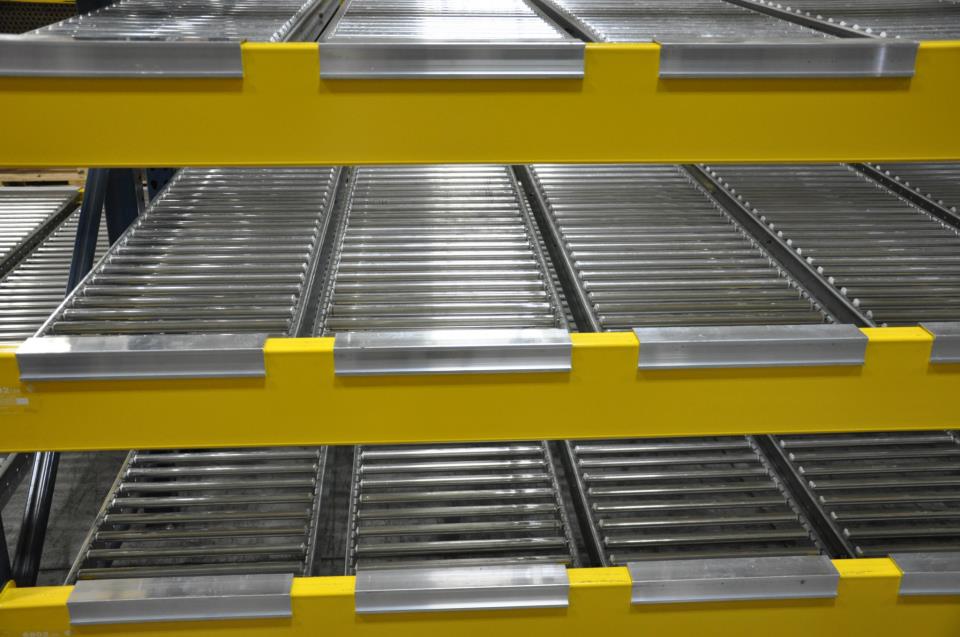
Warehouse Racking Examples
Discuss your Philadelphia warehouse relocation plan
Send both floor plans, rack details and stock-transfer requirements for warehouse relocation pricing. Identify any temperature-sensitive inventory and receiving limitations so the proposal can distinguish reusable parts, new additions, transport coordination and the installation phases required.
Philadelphia Pallet Rack
7201 Frankford Ave.
Unit #3151
Philadelphia, PA 19135
(215) 445-1559Monday - Friday: 8:00 AM - 6:00 PM
Warehouse relocation answers for Philadelphia operations
Other Rack Types We Supply in Philadelphia
Pallet Rack
Every pallet reachable, every time. The baseline we size everything else against.
View detailsPushback Rack
Two to six pallets deep from one aisle, without giving up much reach.
View detailsPallet Flow Rack
Load one side, pick the other, and let gravity enforce first in, first out.
View detailsDrive-In Rack
Fewer access aisles. Forklifts enter storage lanes built for bulk pallets of the same item.
View detailsCantilever Rack
Arms with nothing in front of them, built for lumber, pipe, and anything a pallet can't hold.
View detailsCarton Flow Rack
Cases advance to the picker instead of the picker hunting for cases.
View detailsNearby Areas We Also Serve
Moving beyond Philadelphia requires the destination’s access and operating needs to be recorded before the component and inventory handoff is agreed.
Where We Work
Located in Philadelphia, we serve the entire Greater Philadelphia region with industrial pallet racks and warehouse storage solutions.
Philadelphia Pallet Rack
Address
7201 Frankford Ave.
Unit #3151
Philadelphia, PA 19135
Phone
(215) 445-1559Business Hours
Monday - Friday: 8:00 AM - 6:00 PM
Saturday: Closed
Sunday: Closed
Need Warehouse Relocation in Philadelphia?
Start with the load requirements that the receiving storage must support.